
Why Vertebral Compression Fractures Go Undiagnosed — and What Happens When They Do

A vertebral compression fracture occurs when the bony body of a vertebra collapses under compressive load that the bone can no longer structurally support. In the context of osteoporosis — the most common underlying cause — this threshold is dramatically lower than in normal bone: activities as routine as bending forward, sneezing, or lifting a light object can produce a fracture. The pain that results is positional — characteristically worse with standing and walking, relieved by lying down — and is typically focused at the fracture level in the thoracic or thoracolumbar spine. In Cumberland County's working population, back pain is common and frequently attributed to occupational strain. A farm laborer or warehouse worker with sudden onset of mid-back pain following a load or bend often has that pain attributed to muscle injury and treated conservatively — rest, anti-inflammatories, physical therapy. 

If the actual source is a compression fracture, that conservative approach provides partial symptomatic relief while the fracture progresses toward chronic collapse, and the window for height restoration with kyphoplasty narrows with each passing week. Adequate evaluation of new-onset thoracic or thoracolumbar back pain in an older adult — or in any patient with risk factors for low bone density — requires imaging that specifically evaluates for fracture. Plain radiographs can identify most fractures; MRI provides superior detail about fracture age and the structural integrity of the posterior vertebral wall. The earlier this evaluation happens, the more complete the treatment options.

How Kyphoplasty and Vertebroplasty Differ — and Why Timing Determines Which Is Possible

Both procedures stabilize a fractured vertebra by introducing bone cement under imaging guidance. The distinction is in the preparation of the cement space and the opportunity it creates for height restoration.
Vertebroplasty injects cement directly into the collapsed vertebral body, stabilizing the fracture in its current configuration. It is effective at reducing pain by stopping the mechanical motion within the fractured bone, but it does not restore the height that has been lost.

Kyphoplasty first inflates a balloon within the collapsed vertebra under controlled pressure, creating a cavity and restoring some of the lost height before cement is injected to fill that cavity. The height restoration reduces the kyphotic — forward-rounding — deformity that compression fractures produce, and the controlled cement cavity reduces the risk of cement extravasation.

The window for height restoration with kyphoplasty is time-sensitive. Fractures that are acute — within the first few weeks of onset — have bone that is still mobile enough to respond to balloon inflation and allow meaningful height restoration. As the fracture ages and begins to consolidate in the collapsed position, that window closes. For Cumberland County patients whose fractures have been attributed to muscle strain and managed conservatively for weeks, the fracture age is one of the first things we evaluate at the Vineland office.

The Procedure — Minimally Invasive, Image-Guided, Rapid Recovery

Kyphoplasty is performed under fluoroscopic guidance through small incisions in the skin, with thin working cannulas introduced into the fractured vertebra. Light sedation is typically used rather than general anesthesia. The balloon is inflated, height is restored to the extent the fracture allows, and cement is injected into the prepared cavity under live fluoroscopic monitoring. The procedure takes approximately forty-five minutes to one hour per level and most patients are ambulatory the same day. Pain relief after kyphoplasty is often dramatic and rapid — many patients notice substantial improvement within twenty-four to forty-eight hours. The positional pain that characterized the fracture — worsening with standing, easing with lying down — resolves as the mechanical instability within the fractured bone is eliminated by the cement stabilization.

Background media

Treating the Fracture Is Only Part of the Picture — Bone Density Is the Other

Kyphoplasty resolves the structural problem created by the fracture. It does not address the bone quality that allowed the fracture to occur. Every patient who undergoes kyphoplasty at our Vineland office receives a specific referral recommendation to address bone density evaluation and treatment with their primary care provider or appropriate specialist. Treating the fracture without treating the osteoporosis is incomplete care: the vertebrae adjacent to a compression fracture are themselves at elevated fracture risk, and preventing the next fracture is as important as treating the current one.

Your Surgical Team at POA Vineland

Rahul V. Shah

Dr. Rahul V. Shah, MD, FAAOS

Board-Certified Orthopaedic Spine Surgeon  |  Fellowship-Trained, UCSF  |  Chief Resident, Yale

Dr. Shah's approach to kyphoplasty in Vineland is rooted in the same imaging discipline he applies to every procedure: determining fracture age, assessing the likelihood of height restoration, and evaluating the posterior vertebral wall integrity before proceeding. These are not administrative steps — they determine whether kyphoplasty is the appropriate procedure and what outcome the patient can realistically expect. For Cumberland County patients who present to our Vineland office with fractures that have been attributed to other causes for weeks, his systematic imaging review is often what produces the correct diagnosis that changes the treatment plan.

  • FAAOS — Fellow, American Academy of Orthopaedic Surgeons
  • Spine Surgery Fellowship — University of California, San Francisco
  • Chief Resident — Yale University Orthopaedic Surgery
  • Faculty — Rowan University Medical School

View Full Profile

Joseph R. Zerbo male in white lab coat

Dr. Joseph R. Zerbo, DO

Board-Certified Orthopaedic Spine Surgeon  |  NASS Member  |  35+ Years in Southern NJ

Dr. Zerbo's D.O. orientation gives him a whole-person frame for compression fracture care that goes beyond the procedure itself. An osteoporotic vertebral fracture is a sentinel event — it signals bone vulnerability that will produce more fractures if not addressed. He is direct with Vineland patients about this: the kyphoplasty is what we are doing today, but the bone density evaluation and treatment is what protects the rest of your spine going forward. For patients in Cumberland County who may not have had the access to specialist bone density evaluation that patients in larger medical centers have, he advocates actively for that follow-up care as part of the treatment plan.

  • AOBOS Board-Certified — American Osteopathic Board of Orthopaedic Surgeons
  • NASS Member — North American Spine Society (since 1999)
  • Chief Resident — Kennedy Memorial Hospital / UMDNJ
  • Founder — Zerbo Spine, PA

View Full Profile

Kyphoplasty & Vertebroplasty FAQs

I've had back pain for six weeks that started after lifting at work — could it be a compression fracture?

Is there a time limit on when kyphoplasty can be performed?

Will I be able to go back to physical work after kyphoplasty?

Do I need to do anything about my bones after kyphoplasty?

I've had back pain for six weeks that started after lifting at work — could it be a compression fracture?

Yes. New onset of thoracic or lumbar back pain that is worse with standing and walking and better with lying down — particularly in patients with risk factors for low bone density — should be evaluated with imaging that specifically looks for fracture. This pattern can be mistaken for muscle strain, which is far more common, but the two conditions require different treatment. Plain radiographs are the starting point and can identify most fractures; MRI provides more detail about fracture age and acuity. Early evaluation matters: the window for height restoration with kyphoplasty closes as the fracture ages.

Is there a time limit on when kyphoplasty can be performed?

Yes, and this is one of the most important clinical considerations with compression fractures. Kyphoplasty's ability to restore lost vertebral height depends on the fracture being recent enough — typically within six to eight weeks — that the bone is still mobile enough to respond to balloon inflation. Fractures that have been consolidating for months have often settled into their collapsed position, and while cement stabilization still reduces pain, height restoration is no longer achievable. Early evaluation is specifically valuable because it preserves options.

Will I be able to go back to physical work after kyphoplasty?

Most patients return to light activity within days of the procedure. Return to physically demanding work — lifting, prolonged standing, bending — is evaluated individually based on the level treated, the degree of fracture severity, and your work demands. For Cumberland County patients in physical occupations, we build a specific return-to-work conversation into the recovery plan and give you clear guidance about when and how to reintroduce the demands of your job.

Do I need to do anything about my bones after kyphoplasty?

Yes — this is essential follow-through. Kyphoplasty stabilizes the fractured vertebra but does not improve your bone density. Osteoporosis, if untreated, leaves the remaining vertebrae at ongoing fracture risk — and the vertebrae adjacent to a compression fracture are at particularly elevated risk. We provide a specific recommendation to your primary care provider to initiate bone density evaluation and, where indicated, pharmacological treatment for osteoporosis as part of the comprehensive care plan.
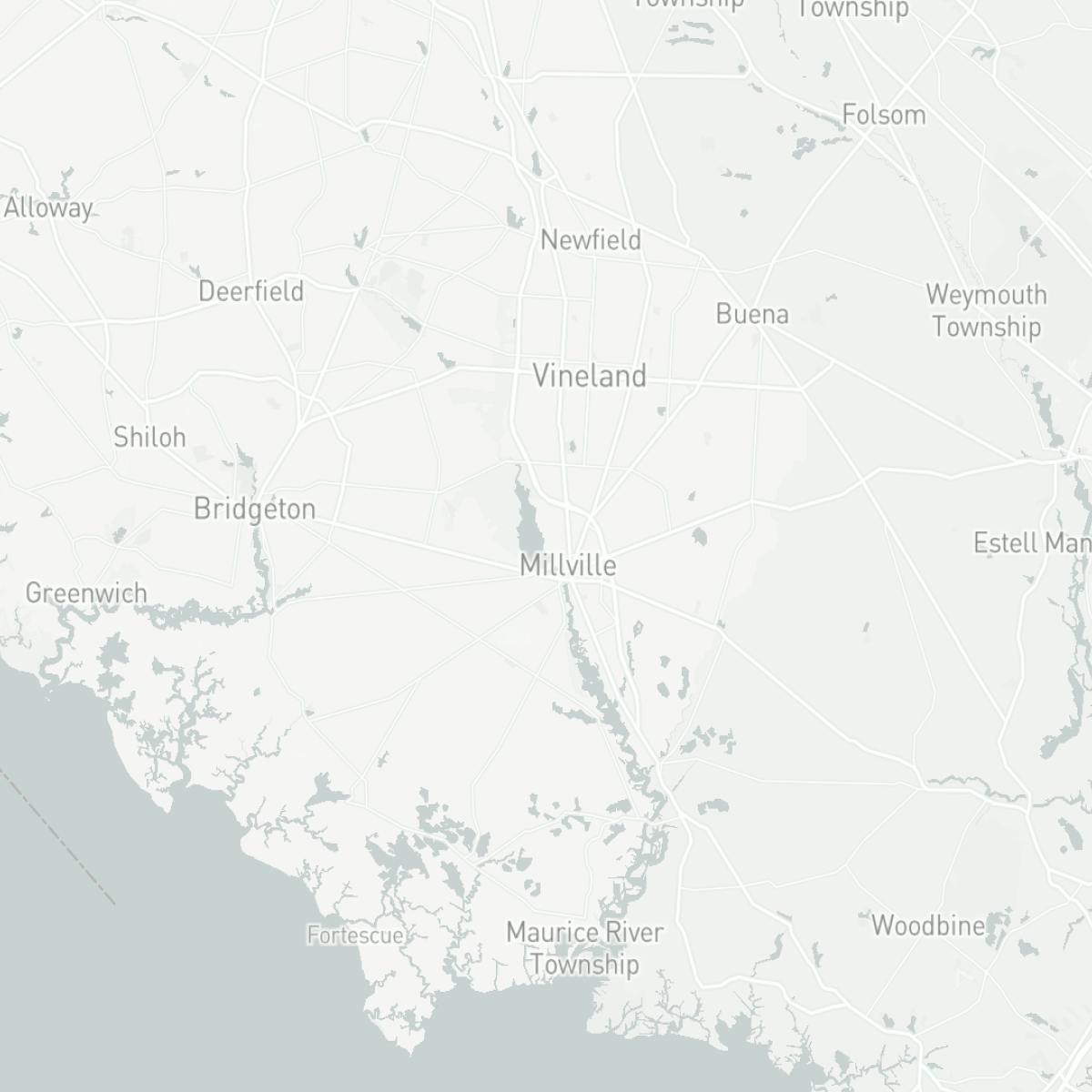
Premier Orthopaedic Associates Vineland

Contact

(856) 690-1616

Hours of Operation

MON — FRI: 8:30AM - 5PM

Contact This Location
Contact us media
Accessibility: If you are vision-impaired or have some other impairment covered by the Americans with Disabilities Act or a similar law, and you wish to discuss potential accommodations related to using this website, please contact our Accessibility Manager at (856) 690-1616.
How can I help you?

Hey there, how can I help you?

Schedule a Visit Find a Provider Bill Pay
Contact Us