The Procedure — Targeted Decompression Without Structural Commitment

Each cervical nerve root exits the spinal canal through a bony channel called the foramen, formed by the vertebral body, disc, and facet joint on each side of the spine. When bone spur formation or foraminal narrowing compresses the nerve root within that channel, posterior cervical foraminotomy addresses it directly: through a small posterior incision, the surgeon removes the bone and tissue that is encroaching on the nerve's exit channel, widening the foramen until the nerve root is free. The disc is not removed. No cage or plate is placed. The motion segment remains intact. This is the fundamental distinction between foraminotomy and ACDF: foraminotomy targets the foramen specifically and leaves the disc space and motion at the treated level unchanged.

For patients with the right anatomy — preserved disc height, no segmental instability, predominantly foraminal rather than central compression — the procedure accomplishes the same decompression goal as ACDF without eliminating cervical motion at the treated segment. For Cumberland County patients in physically active or demanding occupations, the motion preservation advantage of foraminotomy is practically significant. A cervical fusion eliminates rotation and lateral bending at the fused level and shifts those demands to adjacent segments. For someone whose job requires frequent head turning, overhead looking, or operation of equipment that demands full cervical mobility, preserving that motion rather than fusing it is a meaningful functional consideration.

When Foraminotomy Is the Right Answer — and When ACDF Is

The choice between foraminotomy and ACDF is made on anatomy, not on preference. Foraminotomy is appropriate when the following criteria are met:

  • The compression is predominantly foraminal — bone spurs or uncovertebral hypertrophy encroaching on the nerve's exit channel, rather than a large central disc herniation causing cord pressure
  • Disc height is reasonably preserved at the affected level — significant disc space collapse alters the biomechanics and makes anterior reconstruction more appropriate
  • No segmental instability exists at the affected level — foraminotomy decompresses but does not stabilize; an unstable segment needs fusion
  • Single or limited levels are affected — bilateral or multilevel disease that cannot be addressed through a posterior corridor typically warrants an anterior approach

ACDF is the more appropriate procedure when there is a large central disc herniation causing cord involvement, when disc space collapse makes structural reconstruction beneficial, or when the anatomical picture suggests that decompression alone will not produce a durable result. We explain the specific anatomical rationale for whichever procedure we recommend, including for Vineland patients who arrive having been told by another provider that ACDF is their only option.

Banner media

What Recovery Looks Like for Cumberland County Workers

Recovery from posterior cervical foraminotomy is faster than from ACDF in most respects, because there is no anterior approach-related soreness, no fusion hardware to protect, and no fusion consolidation timeline to observe. The primary post-operative discomfort is from the posterior cervical muscle work — the paraspinal muscles are retracted to access the lamina and foramen — and it resolves over two to three weeks as the muscles heal.

Return to light activity is typically within two to three weeks. Return to physically demanding work — tasks that require the neck to bear load, sustain vibration, or work in extended positions — is evaluated based on symptom resolution and the nature of the specific job. We are direct with Vineland patients about these timelines because they have jobs to return to, and vague guidance about "when it feels right" is not useful for someone whose livelihood depends on knowing when they can go back to full duty.

Your Surgical Team at POA Vineland

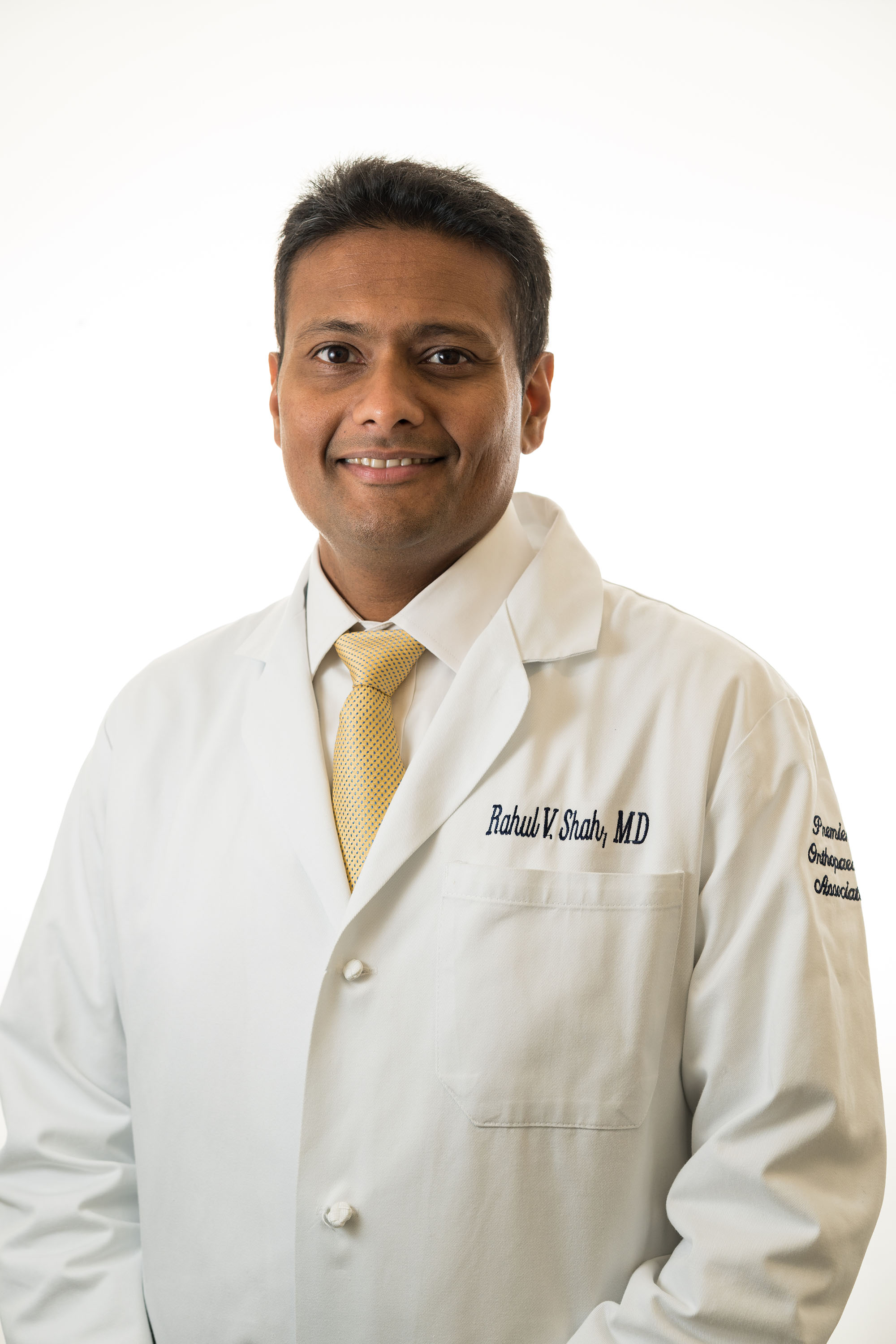
Rahul V. Shah

Dr. Rahul V. Shah, MD, FAAOS

Board-Certified Orthopaedic Spine Surgeon  |  Fellowship-Trained, UCSF  |  Chief Resident, Yale

Dr. Shah trained in both anterior and posterior cervical approaches during his UCSF fellowship, and he applies that dual technical competence to the anatomy-driven decision for Vineland patients. When he recommends foraminotomy over ACDF, he explains the specific imaging findings that make it appropriate: the foraminal dimensions, the disc height, the absence of instability. When he recommends ACDF, he explains that too. For working Cumberland County patients who need to make a decision about cervical spine surgery that will affect their ability to do their job, the anatomical precision of his recommendations and his directness about what each procedure accomplishes is what the consultation is for.

  • FAAOS — Fellow, American Academy of Orthopaedic Surgeons
  • Spine Surgery Fellowship — University of California, San Francisco
  • Chief Resident — Yale University Orthopaedic Surgery
  • Faculty — Rowan University Medical School

View Full Profile

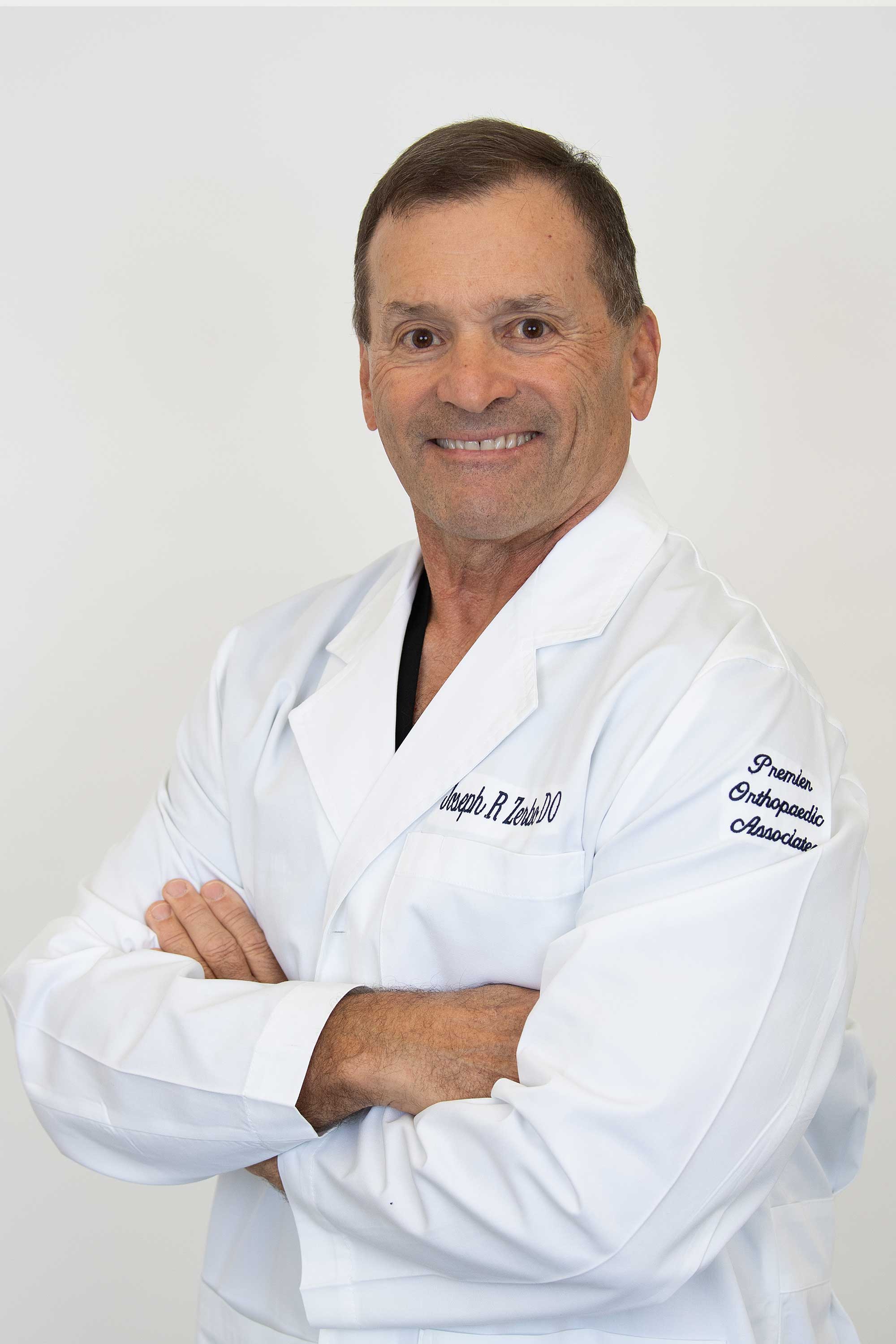
Joseph R. Zerbo male in white lab coat

Dr. Joseph R. Zerbo, DO

Board-Certified Orthopaedic Spine Surgeon  |  NASS Member  |  35+ Years in Southern NJ

Dr. Zerbo has been recommending posterior cervical foraminotomy for appropriate patients throughout his career, long before it became the subject of the ACDF versus foraminotomy debate that has emerged more recently in the literature. His NASS membership keeps him current on the outcomes data. His D.O. orientation shapes how he thinks about motion preservation in practical terms for the Vineland patient in front of him: what does this patient need to be able to do with their neck for their work, their daily life, their long-term function? The answer to that question is part of the surgical planning conversation, not an afterthought.

  • AOBOS Board-Certified — American Osteopathic Board of Orthopaedic Surgeons
  • NASS Member — North American Spine Society (since 1999)
  • Chief Resident — Kennedy Memorial Hospital / UMDNJ
  • Founder — Zerbo Spine, PA

View Full Profile

Foraminotomy FAQs

My doctor said I need ACDF — is foraminotomy even an option for me?

I work a job that requires full use of my neck — does that affect which procedure is right for me?

How long until I can return to a physically demanding job after foraminotomy?

Is there a risk that foraminotomy won't provide lasting relief?

My doctor said I need ACDF — is foraminotomy even an option for me?

It depends on your anatomy. Foraminotomy is an appropriate alternative to ACDF when the compression is predominantly foraminal, disc height is preserved, and there is no instability at the affected level. Bring your most recent cervical MRI to an evaluation at our Vineland office and we can review the imaging with you and give you an honest anatomical answer about whether foraminotomy is a technically sound option for your specific findings. If ACDF is in fact the more appropriate procedure, we will explain exactly why.

I work a job that requires full use of my neck — does that affect which procedure is right for me?

Occupational demands are relevant context for the surgical decision, though the anatomy is still the primary driver. If the anatomy supports either foraminotomy or ACDF equally, the motion preservation of foraminotomy may be the more practical choice for someone whose work requires frequent cervical rotation and looking overhead. We factor in what you do and what you need to be able to do when we explain the trade-offs of each procedure.

How long until I can return to a physically demanding job after foraminotomy?

Most patients return to light or modified duty within two to three weeks. Return to full physically demanding work — heavy lifting, sustained overhead activity, vibration exposure — is typically evaluated at four to six weeks based on symptom resolution and wound healing. We give specific, job-aware guidance rather than generic timelines, because what matters is that you return to work safely and completely rather than too early at the risk of re-injury.

Is there a risk that foraminotomy won't provide lasting relief?

Foraminotomy in appropriately selected patients — correct anatomy, correct level, correct mechanism — has excellent durability. The risk of inadequate or temporary relief is most often associated with patient selection: choosing foraminotomy for anatomy that needed the disc space reconstruction and stabilization that ACDF provides, or for a level where instability means decompression alone is insufficient. This is why candidacy assessment is the foundation of the recommendation, and why we are explicit about the anatomical criteria we are applying.

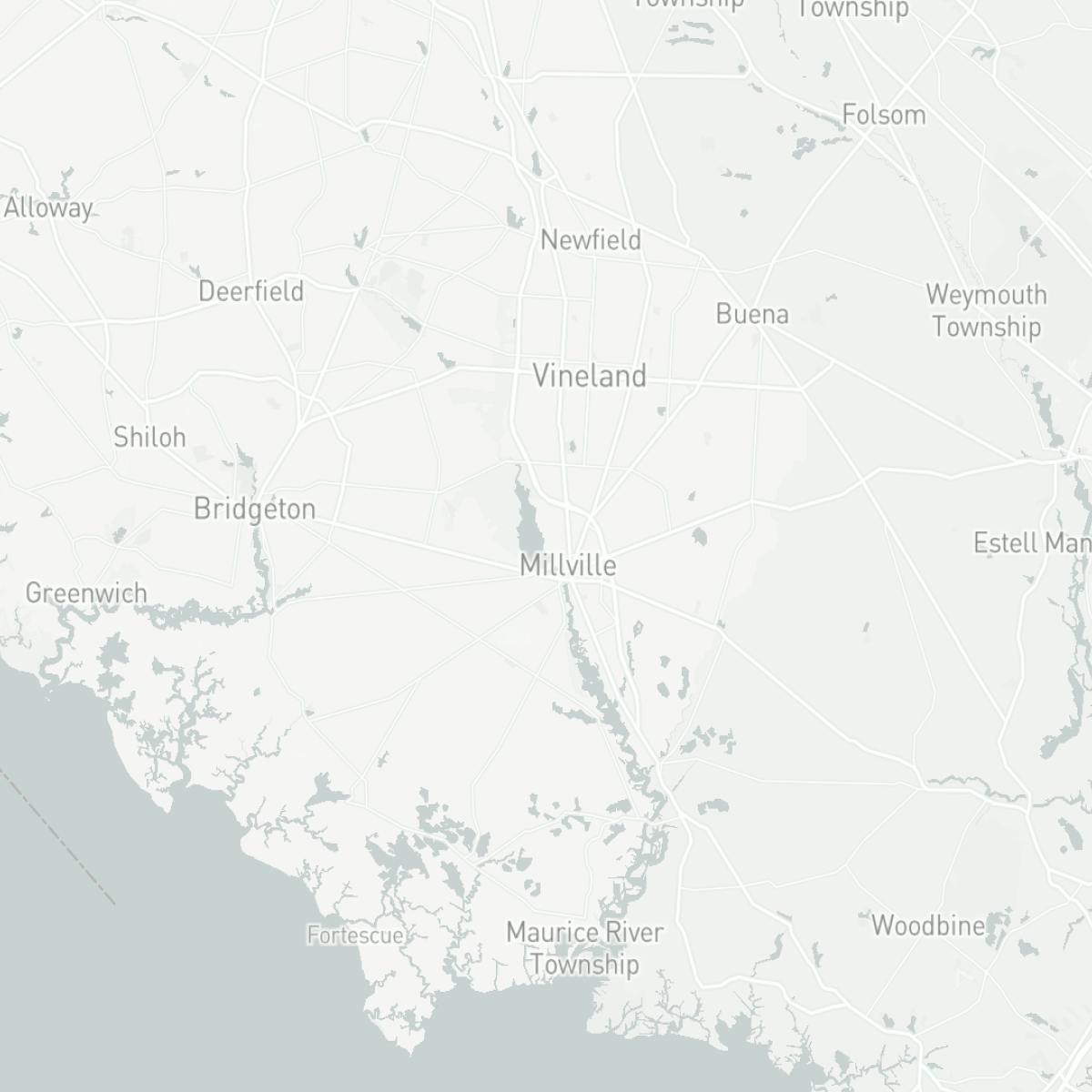
Premier Orthopaedic Associates Vineland

Contact

(856) 690-1616

Hours of Operation

MON — FRI: 8:30AM - 5PM

Contact This Location
Contact us media
Accessibility: If you are vision-impaired or have some other impairment covered by the Americans with Disabilities Act or a similar law, and you wish to discuss potential accommodations related to using this website, please contact our Accessibility Manager at (856) 690-1616.
How can I help you?

Hey there, how can I help you?

Schedule a Visit Find a Provider Bill Pay
Contact Us