The Condition — Gradual Foraminal Narrowing from Degenerative Bone Change

Cervical foraminal stenosis is the narrowing of the bony channel — the foramen — through which each cervical nerve root exits the spinal canal. The narrowing is structural and degenerative: bone spur formation from uncovertebral joint hypertrophy and facet joint arthritis progressively encroaches on the nerve root's exit space over years. Unlike disc herniation, which often produces acute onset of symptoms from rapidly displaced disc material, foraminal stenosis from bone tends to develop gradually — symptoms build over months to years rather than appearing acutely. The resulting clinical picture is cervical radiculopathy: pain, numbness, tingling, and weakness in the arm and hand in the distribution of the affected nerve root.

What makes foraminal stenosis from bone distinctive is its progressive and persistent nature — the structural narrowing does not resolve spontaneously the way disc herniations can, and symptoms tend to be more continuously present with certain positions and activities rather than episodic. Positions that narrow the foramen — cervical extension, lateral bending toward the symptomatic side, reaching overhead — consistently aggravate symptoms. For workers who spend significant time in these positions — overhead agricultural work, prolonged neck extension for trades tasks, vibration exposure from power tools — the occupational exposure creates both a mechanical aggravator of the stenosis and a diagnostic confound that can delay recognition of the cervical source.

Why the Differential Is More Complex for Cumberland County Workers

In a general population, distinguishing cervical foraminal stenosis from carpal tunnel syndrome, ulnar nerve entrapment, or shoulder pathology is challenging. In a working population with documented occupational exposure — vibration, overhead work, repetitive arm loading — the challenge is compounded because all of these peripheral conditions are independently plausible explanations for arm and hand symptoms.

Vibration exposure from machinery and power tools accelerates peripheral nerve sensitivity and can produce symptoms that overlap with both carpal tunnel syndrome and cervical radiculopathy. Prolonged overhead work compresses the shoulder and cervical structures simultaneously. Repetitive gripping accelerates median nerve irritation at the carpal tunnel while also loading the C6-C7 cervical segments. A patient with all of these exposures and hand numbness has a legitimate differential that cannot be resolved by clinical examination alone.

The systematic evaluation at our Vineland office is designed to work through this differential specifically: structured neurological examination by nerve root territory, provocative maneuvers for cervical, thoracic outlet, and peripheral entrapment sites, MRI of the cervical spine, and when necessary, electrodiagnostic testing (EMG and nerve conduction velocity) that localizes the lesion by electrical evidence — separating nerve root dysfunction from peripheral entrapment with objective data.

Managing Cervical Foraminal Stenosis — Conservative Options and Surgical Decompression

Conservative management of cervical foraminal stenosis aims at symptom control and functional maintenance, not structural resolution — because the bone spur narrowing does not resorb. Physical therapy focused on cervical positioning, postural correction, and nerve mobility can reduce the mechanical load on the affected foramen and improve symptom management. Activity modification to avoid sustained positions of cervical extension and overhead work reduces provocation. Cervical epidural steroid injections, targeted at the affected foraminal level, can provide meaningful symptom reduction in appropriate patients. When these measures are inadequate — when symptoms are progressive, when neurological deficits are advancing, or when the patient's occupational function is significantly impaired despite appropriate conservative management — surgical decompression is indicated. Posterior cervical foraminotomy, which directly widens the narrowed foramen through a small posterior incision without fusion, is the most specifically targeted surgical option for foraminal stenosis when disc height is preserved and no instability exists. ACDF is appropriate when disc space collapse, the anatomical pattern of compression, or the presence of instability makes an anterior approach more appropriate.

Background media

Your Surgical Team at POA Vineland

Rahul V. Shah

Dr. Rahul V. Shah, MD, FAAOS

Board-Certified Orthopaedic Spine Surgeon  |  Fellowship-Trained, UCSF  |  Chief Resident, Yale

Dr. Shah's evaluation of cervical foraminal stenosis in Vineland patients reflects his training in systematic neurological localization. He does not rely on imaging alone to determine which level is clinically active — he reads the neurological examination against the imaging, and when they diverge, he uses electrodiagnostic data to determine which source is actually driving the patient's symptoms. For working adults in Cumberland County whose occupational exposures make the peripheral differential genuinely plausible, that systematic approach is what distinguishes a cervical spine diagnosis from a peripheral one — and gets the patient to the correct treatment rather than the most convenient assumption.

  • FAAOS — Fellow, American Academy of Orthopaedic Surgeons
  • Spine Surgery Fellowship — University of California, San Francisco
  • Chief Resident — Yale University Orthopaedic Surgery
  • Faculty — Rowan University Medical School

View Full Profile

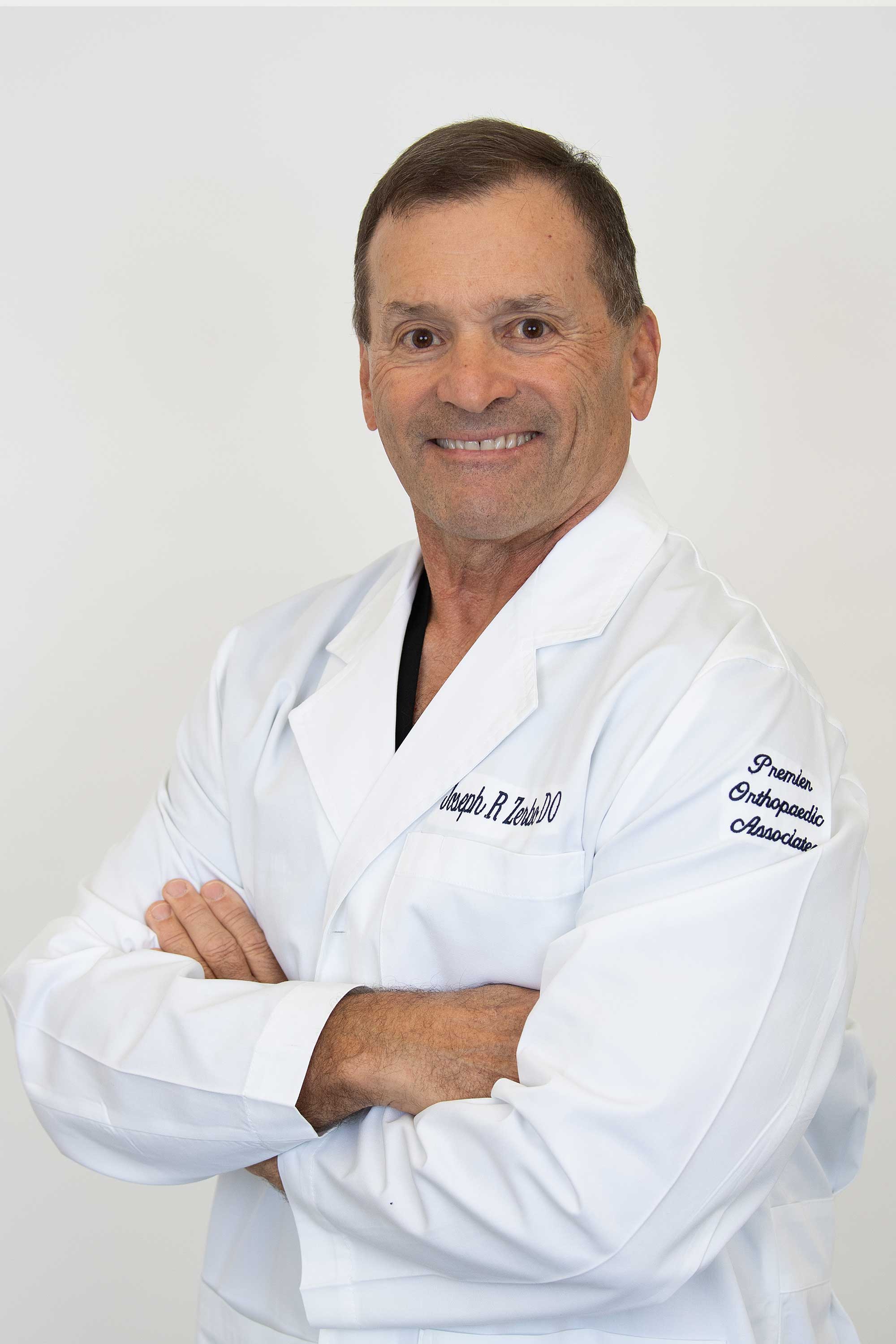
Joseph R. Zerbo male in white lab coat

Dr. Joseph R. Zerbo, DO

Board-Certified Orthopaedic Spine Surgeon  |  NASS Member  |  35+ Years in Southern NJ

Dr. Zerbo's D.O. training gives him a whole-spine and whole-body lens on cervical foraminal stenosis that is particularly valuable in the Vineland working population. He evaluates the cervical spine not in isolation but in the context of the thoracic spine, shoulder, and upper extremity mechanics — because how a patient carries themselves through a physically demanding workday affects how the cervical nerve roots are loaded throughout. His attention to occupational history — what the work requires, which positions are sustained, what the vibration and repetitive exposure looks like — informs both the diagnostic assessment and the treatment recommendations in ways that a narrow anatomical evaluation would miss.

  • AOBOS Board-Certified — American Osteopathic Board of Orthopaedic Surgeons
  • NASS Member — North American Spine Society (since 1999)
  • Chief Resident — Kennedy Memorial Hospital / UMDNJ
  • Founder — Zerbo Spine, PA

View Full Profile

ALIF FAQs

I use vibrating tools at work and my hand is numb — is that from my cervical spine or from the vibration?

My shoulder and upper arm ache — could that be from my cervical spine?

How does cervical foraminal stenosis differ from a herniated disc — and does it matter for treatment?

Can I keep doing my job with cervical foraminal stenosis?

I use vibrating tools at work and my hand is numb — is that from my cervical spine or from the vibration?

Both are possible, and distinguishing them requires systematic evaluation. Vibration exposure accelerates peripheral nerve sensitivity and can produce carpal tunnel-type symptoms from the wrist. Cervical foraminal stenosis at C6 produces numbness in the same thumb and index finger territory. Ulnar nerve involvement adds the ring and small fingers. A structured neurological examination determines which nerve territory is affected; MRI shows whether the cervical foramen is narrowed; and electrodiagnostic testing can localize whether the lesion is at the nerve root or at a peripheral entrapment site. The distinction matters because the treatment is completely different depending on the source.

My shoulder and upper arm ache — could that be from my cervical spine?

Yes. C5 radiculopathy produces shoulder and lateral arm symptoms that are often attributed to rotator cuff pathology. The two can also coexist — the shoulder is subjected to the same occupational loading that stresses the cervical spine, and rotator cuff disease and cervical radiculopathy are both common in physically active middle-aged and older adults. A spine-specific examination assesses the cervical contribution; shoulder imaging evaluates the rotator cuff. When both are present, understanding which is driving the primary symptoms determines what to treat first.

How does cervical foraminal stenosis differ from a herniated disc — and does it matter for treatment?

It matters significantly. A herniated disc compresses the nerve with displaced disc material, which can resorb over weeks to months — making spontaneous improvement realistic for many patients with acute herniations. Foraminal stenosis from bone spur formation does not resorb: the structural narrowing is fixed. This means the natural history is different — foraminal stenosis tends to be persistent and progressive rather than episodic and self-limiting. Treatment decisions, including the timeline and the type of surgery when indicated, reflect this difference in mechanism and natural history.

Can I keep doing my job with cervical foraminal stenosis?

It depends on the degree of neurological involvement and what your job requires. Patients with mild sensory symptoms and no significant weakness often continue working with activity modification — avoiding sustained positions that narrow the foramen, reducing overhead work, and using ergonomic adaptations where possible. Patients with progressive weakness or significant functional limitation are evaluated differently: when neurological deficits are advancing, continuing to load a compromised nerve root through physically demanding work can worsen the outcome. We provide specific, occupation-aware guidance based on your clinical picture and what your work actually requires.
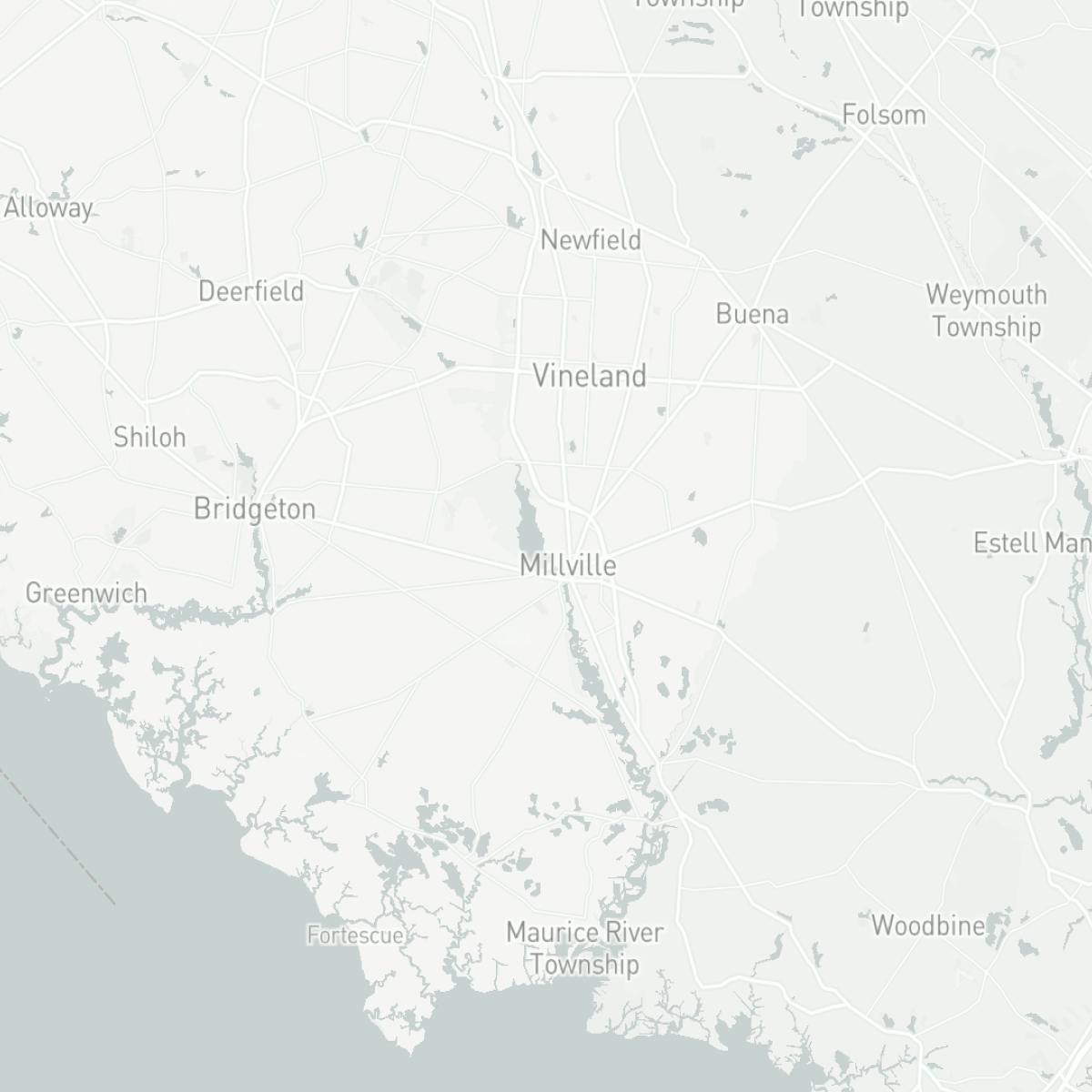
Premier Orthopaedic Associates Vineland

Contact

(856) 690-1616

Hours of Operation

MON — FRI: 8:30AM - 5PM

Contact This Location
Contact us media
Accessibility: If you are vision-impaired or have some other impairment covered by the Americans with Disabilities Act or a similar law, and you wish to discuss potential accommodations related to using this website, please contact our Accessibility Manager at (856) 690-1616.
How can I help you?

Hey there, how can I help you?

Schedule a Visit Find a Provider Bill Pay
Contact Us