What Is TLIF?

Transforaminal lumbar interbody fusion approaches the disc space from the back and side of the spine, through the foramen. This access allows the surgeon to remove the damaged disc, place an interbody cage to restore disc height and alignment, pack bone graft into the disc space to promote fusion, and stabilize the segment with pedicle screws and connecting rods, all through a single posterior incision. The transforaminal approach requires less nerve root retraction than older posterior fusion techniques, reducing the neural manipulation associated with the procedure.

TLIF can be performed as a traditional open procedure or through a minimally invasive approach using percutaneous pedicle screws and a smaller tubular retractor exposure. Minimally invasive TLIF reduces blood loss and muscle disruption compared to open technique but is not appropriate for every anatomy. The decision is made based on the degree of deformity, the number of levels, and the complexity of the case.

When Is TLIF Recommended?

  • Spondylolisthesis: forward slippage of one vertebra producing instability and nerve compression
  • Recurrent disc herniation at the same level after prior discectomy
  • Severe disc degeneration with foraminal collapse and persistent nerve root compression
  • Degenerative scoliosis with instability requiring stabilization alongside decompression
  • Adjacent segment degeneration at a level bordering a prior fusion
  • Pseudarthrosis: failed prior fusion requiring revision stabilization
Background media

Recovery After TLIF

  • Hospital stay: typically two to three nights for single-level TLIF; longer for multi-level procedures
  • Activity: walking begins the first post-operative day
  • Work: desk work typically possible at four to six weeks; physical labor at three to six months
  • Fusion: bony union is a biological process requiring three to twelve months; confirmed radiographically
  • Physical therapy: begins after initial healing and continues through the fusion timeline

Your Surgical Team at Premier Orthopaedic Associates

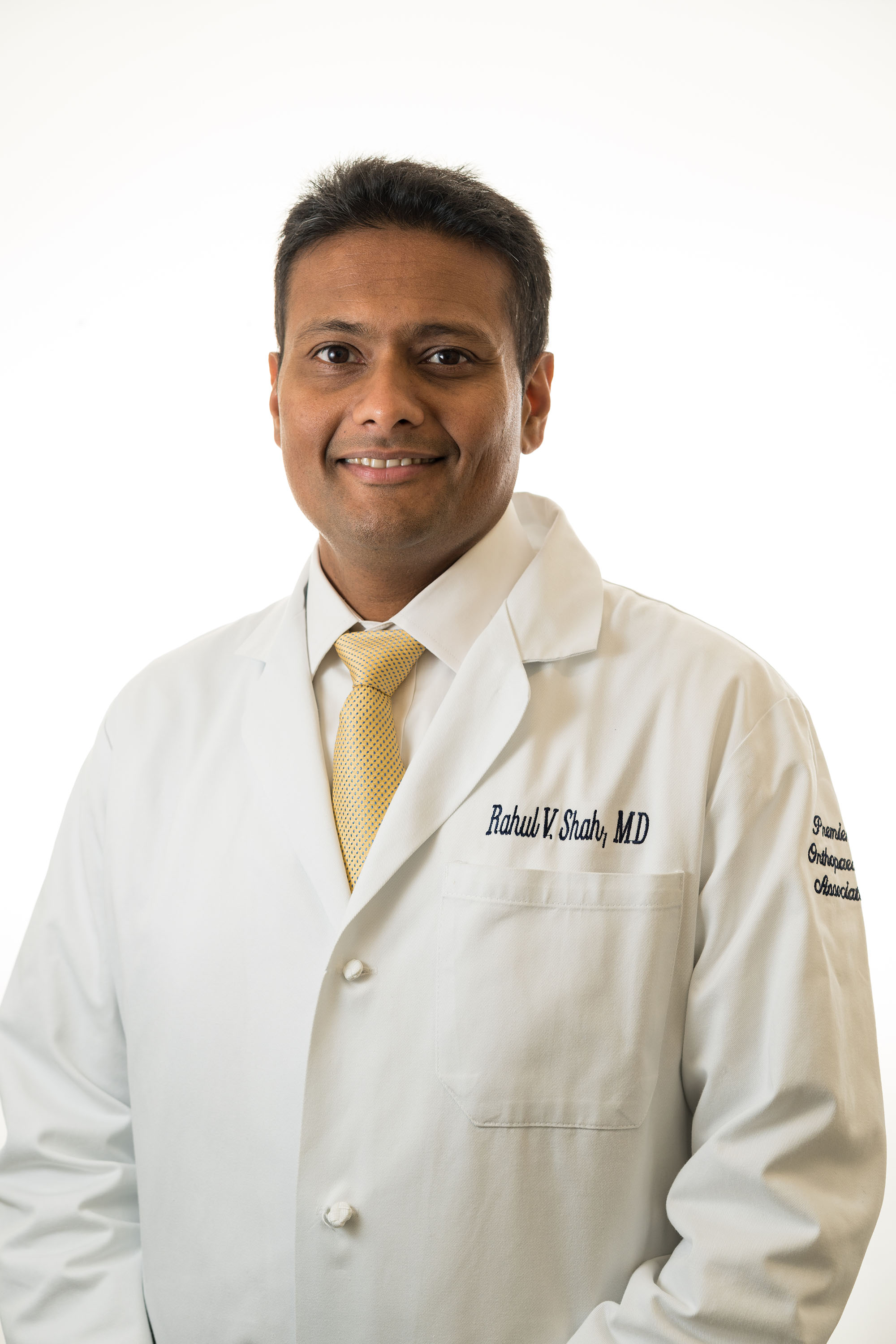
Rahul V. Shah

Dr. Rahul V. Shah, MD, FAAOS

Board-Certified Orthopaedic Spine Surgeon  |  Fellowship-Trained, UCSF  |  Chief Resident, Yale

Dr. Shah's UCSF fellowship included complex lumbar fusion in open and minimally invasive TLIF approaches, and his research publications include work on circumferential fusion techniques. His FDA clinical trial involvement and co-invention of spinal stabilization technology give New Jersey fusion patients access to a surgeon whose technical expertise extends to the implant systems that define current TLIF practice.

  • FAAOS - Fellow, American Academy of Orthopaedic Surgeons
  • Spine Surgery Fellowship - University of California, San Francisco
  • Chief Resident - Yale University Orthopaedic Surgery
  • Co-Inventor - Stablimax-NZ Dynamic Stabilization Device
  • Faculty - Rowan University Medical School
  • Top Doctor - New Jersey (Castle Connolly)

View Full Profile

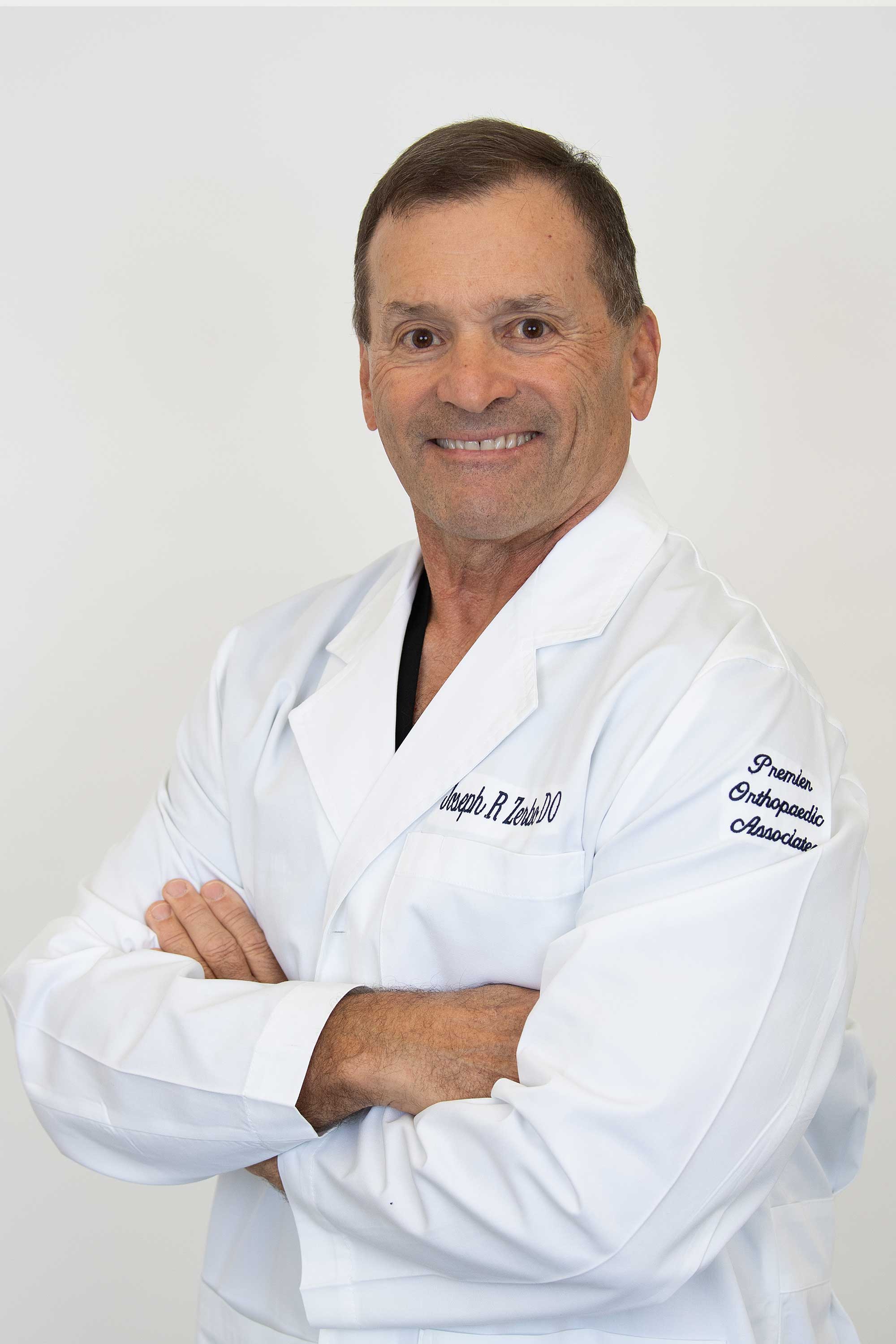
Joseph R. Zerbo male in white lab coat

Dr. Joseph R. Zerbo, DO

Board-Certified Orthopaedic Spine Surgeon  |  NASS Member  |  35+ Years in Southern NJ

Dr. Zerbo has performed lumbar fusion for Southern New Jersey patients for over three decades. His whole-person D.O. approach shapes how he evaluates fusion candidacy: the decision to pursue a procedure of this scope accounts for the patient's overall health, functional goals, and realistic capacity for the recovery that fusion requires.

  • AOBOS Board-Certified - American Osteopathic Board of Orthopaedic Surgeons
  • NASS Member - North American Spine Society (since 1999)
  • Chief Resident - Kennedy Memorial Hospital / UMDNJ
  • Founder - Zerbo Spine, PA
  • 35+ Years Serving Southern New Jersey

View Full Profile

Frequently Asked Questions

How do I know if I need TLIF versus a decompression alone?

What is the fusion success rate for TLIF?

Can TLIF be done minimally invasively?

How do I know if I need TLIF versus a decompression alone?

TLIF is indicated when spinal instability or structural degeneration at a specific level is the primary pain generator, not simply nerve compression from a disc herniation. If decompression alone can address the nerve compression without destabilizing the segment, it is typically the better first option. Your POA surgeon will review your imaging and explain precisely what the anatomy shows and why a specific approach is or is not recommended.

What is the fusion success rate for TLIF?

Well-performed TLIF with appropriate patient selection achieves fusion rates consistently reported between 90 and 95 percent. Factors affecting fusion success include smoking status, bone density, number of levels fused, and whether the procedure is primary or revision. Your surgeon will discuss your specific risk profile at consultation.

Can TLIF be done minimally invasively?

Yes, in appropriate cases. Minimally invasive TLIF uses percutaneous pedicle screws and a tubular approach to the disc space, reducing muscle disruption and blood loss compared to open technique. It is best suited to single-level cases without significant deformity. Complex multi-level or revision cases typically require open exposure.

Contact us media
Accessibility: If you are vision-impaired or have some other impairment covered by the Americans with Disabilities Act or a similar law, and you wish to discuss potential accommodations related to using this website, please contact our Accessibility Manager at (856) 690-1616.
How can I help you?

Hey there, how can I help you?

Schedule a Visit Find a Provider Bill Pay
Contact Us