What Is Minimally Invasive Spine Surgery?

MISS is not a single procedure. It is a category of surgical approaches that share a common philosophy: address the structural problem precisely, protect what does not need to be disturbed, and give the patient the fastest, most durable recovery possible. Procedures performed with minimally invasive technique at POA include microdiscectomy for herniated disc, laminectomy for spinal stenosis, foraminotomy for nerve root decompression, and single or limited-level spinal fusion. The approach is selected based on the anatomy, not on a protocol. When minimally invasive technique provides equivalent or superior decompression through a smaller corridor, it is used. When the anatomy requires traditional open exposure, that is what is recommended.

Conditions Treated with MISS at POA

  • Lumbar disc herniation with sciatica or leg weakness
  • Lumbar spinal stenosis limiting walking tolerance
  • Cervical disc herniation causing arm pain, numbness, or hand weakness
  • Foraminal stenosis compressing a specific nerve root
  • Single-level lumbar instability appropriate for minimally invasive fusion
  • Recurrent disc herniation following prior surgery
Background media

Advantages for New Jersey Patients

For Southern New Jersey patients who have delayed pursuing spine surgery because of concerns about recovery time, minimally invasive technique changes the calculus. Smaller incisions mean less post-operative pain and reduced reliance on narcotic pain management during recovery. Shorter hospital stays, in many cases outpatient or one-night, reduce exposure to hospital-associated risks. Faster return to light activity, typically measured in weeks rather than months, allows patients to return to work, family obligations, and the physical activities that define their daily lives more quickly than traditional open spine surgery. These advantages hold when the procedure is indicated and the anatomy is appropriate. POA surgeons are direct about when those conditions are met and when they are not.

Logo media

How POA Approaches MISS

  • Every consultation evaluates whether the anatomy supports a minimally invasive approach before any surgical recommendation is made
  • MISS is recommended when it provides equivalent or superior decompression to open technique for that specific anatomy
  • Open surgery is recommended without apology when the complexity of the case requires it
  • Surgical facilities are selected based on procedure complexity, patient health, and location preference

Your Surgical Team at Premier Orthopaedic Associates

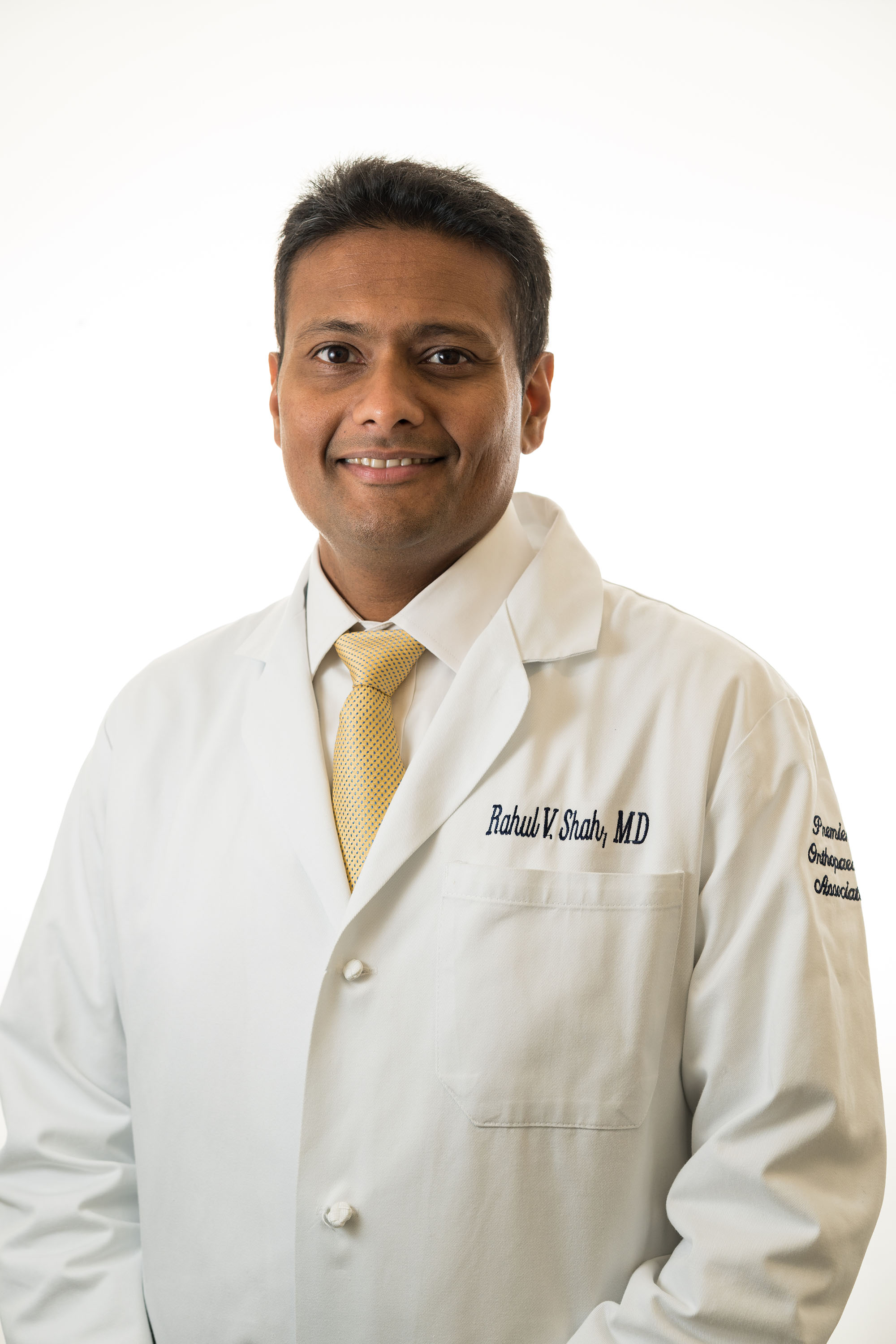
Rahul V. Shah

Dr. Rahul V. Shah, MD, FAAOS

Board-Certified Orthopaedic Spine Surgeon  |  Fellowship-Trained, UCSF  |  Chief Resident, Yale

Dr. Shah's UCSF fellowship included complex lumbar fusion in open and minimally invasive TLIF approaches, and his research publications include work on circumferential fusion techniques. His FDA clinical trial involvement and co-invention of spinal stabilization technology give New Jersey fusion patients access to a surgeon whose technical expertise extends to the implant systems that define current TLIF practice.

  • FAAOS - Fellow, American Academy of Orthopaedic Surgeons
  • Spine Surgery Fellowship - University of California, San Francisco
  • Chief Resident - Yale University Orthopaedic Surgery
  • Co-Inventor - Stablimax-NZ Dynamic Stabilization Device
  • Faculty - Rowan University Medical School
  • Top Doctor - New Jersey (Castle Connolly)

View Full Profile

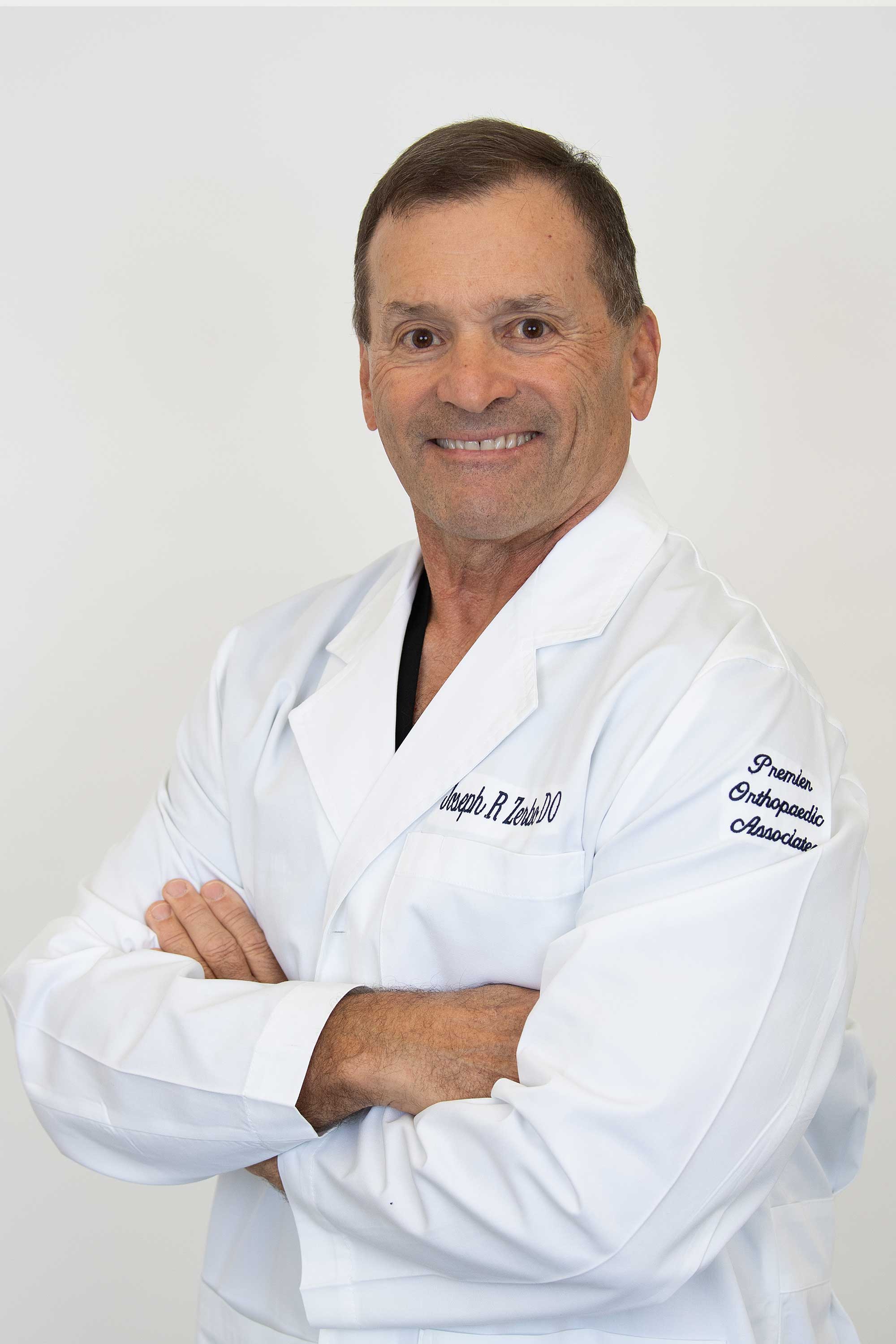
Joseph R. Zerbo male in white lab coat

Dr. Joseph R. Zerbo, DO

Board-Certified Orthopaedic Spine Surgeon  |  NASS Member  |  35+ Years in Southern NJ

Dr. Zerbo has performed lumbar fusion for Southern New Jersey patients for over three decades. His whole-person D.O. approach shapes how he evaluates fusion candidacy: the decision to pursue a procedure of this scope accounts for the patient's overall health, functional goals, and realistic capacity for the recovery that fusion requires.

  • AOBOS Board-Certified - American Osteopathic Board of Orthopaedic Surgeons
  • NASS Member - North American Spine Society (since 1999)
  • Chief Resident - Kennedy Memorial Hospital / UMDNJ
  • Founder - Zerbo Spine, PA
  • 35+ Years Serving Southern New Jersey

View Full Profile

Frequently Asked Questions

How do I know if my spine condition is appropriate for minimally invasive surgery?

Is minimally invasive spine surgery available at all four POA locations?

Is recovery really faster with minimally invasive surgery?

How do I know if my spine condition is appropriate for minimally invasive surgery?

The appropriateness of MISS depends on the diagnosis, the anatomy at the affected level, and the goals of the procedure. Single-level disc herniations, limited stenosis, and certain fusion indications often respond well to minimally invasive approach. Complex multi-level disease, severe deformity, and revision cases may require open exposure. Your POA surgeon will evaluate your imaging and symptoms and give you a direct answer about which approach fits your anatomy.

Is minimally invasive spine surgery available at all four POA locations?

Yes. Both Dr. Shah and Dr. Zerbo see patients across the POA Southern New Jersey network. Surgical facilities vary by location, and specific operative planning is discussed at your consultation based on the procedure and your location preference.

Is recovery really faster with minimally invasive surgery?

For well-selected procedures, yes. Studies comparing minimally invasive to open microdiscectomy and laminectomy consistently show less post-operative pain, shorter hospital stays, and faster return to activity with the minimally invasive approach. The magnitude of the advantage depends on the procedure and the individual patient.

Contact us media
Accessibility: If you are vision-impaired or have some other impairment covered by the Americans with Disabilities Act or a similar law, and you wish to discuss potential accommodations related to using this website, please contact our Accessibility Manager at (856) 690-1616.
How can I help you?

Hey there, how can I help you?

Schedule a Visit Find a Provider Bill Pay
Contact Us