What Is a Microdiscectomy?

A microdiscectomy removes the fragment of herniated disc material pressing on a spinal nerve root. The procedure is performed through a small incision using magnification, allowing the surgeon to identify and remove only the offending disc fragment while protecting the nerve root, dura, and surrounding structures. The disc itself is not removed: only the herniated portion causing the compression is excised, preserving the native disc structure. This precision is what separates microdiscectomy from the older, more aggressive discectomy approaches.

The clinical evidence for microdiscectomy is robust. Randomized controlled trials comparing surgical to continued conservative management for lumbar disc herniation with nerve root compression consistently show faster and more complete leg pain resolution with surgery. The operative risk profile is low, the recovery is among the fastest of any spine procedure, and durable outcomes are the rule rather than the exception in well-selected patients.

Who Is a Good Candidate?

  • Lumbar disc herniation with clear nerve root compression on MRI
  • Leg-dominant pain (sciatica) rather than primarily axial low back pain
  • Symptoms persisting despite an adequate trial of conservative care
  • Progressive neurological deficit such as worsening foot drop or increasing leg weakness
  • Cauda equina syndrome: bowel or bladder involvement requiring urgent surgical evaluation
Background media

Recovery After Microdiscectomy

Most patients walk the same day as surgery and are discharged the same day or with a one-night stay. Physical therapy begins within one to two weeks. Return to desk work is typically possible within two to four weeks. More physically demanding occupations are cleared at six to eight weeks following structured rehabilitation. The speed of recovery is one of microdiscectomy's most meaningful clinical advantages for working New Jersey patients.

Your Surgical Team at Premier Orthopaedic Associates

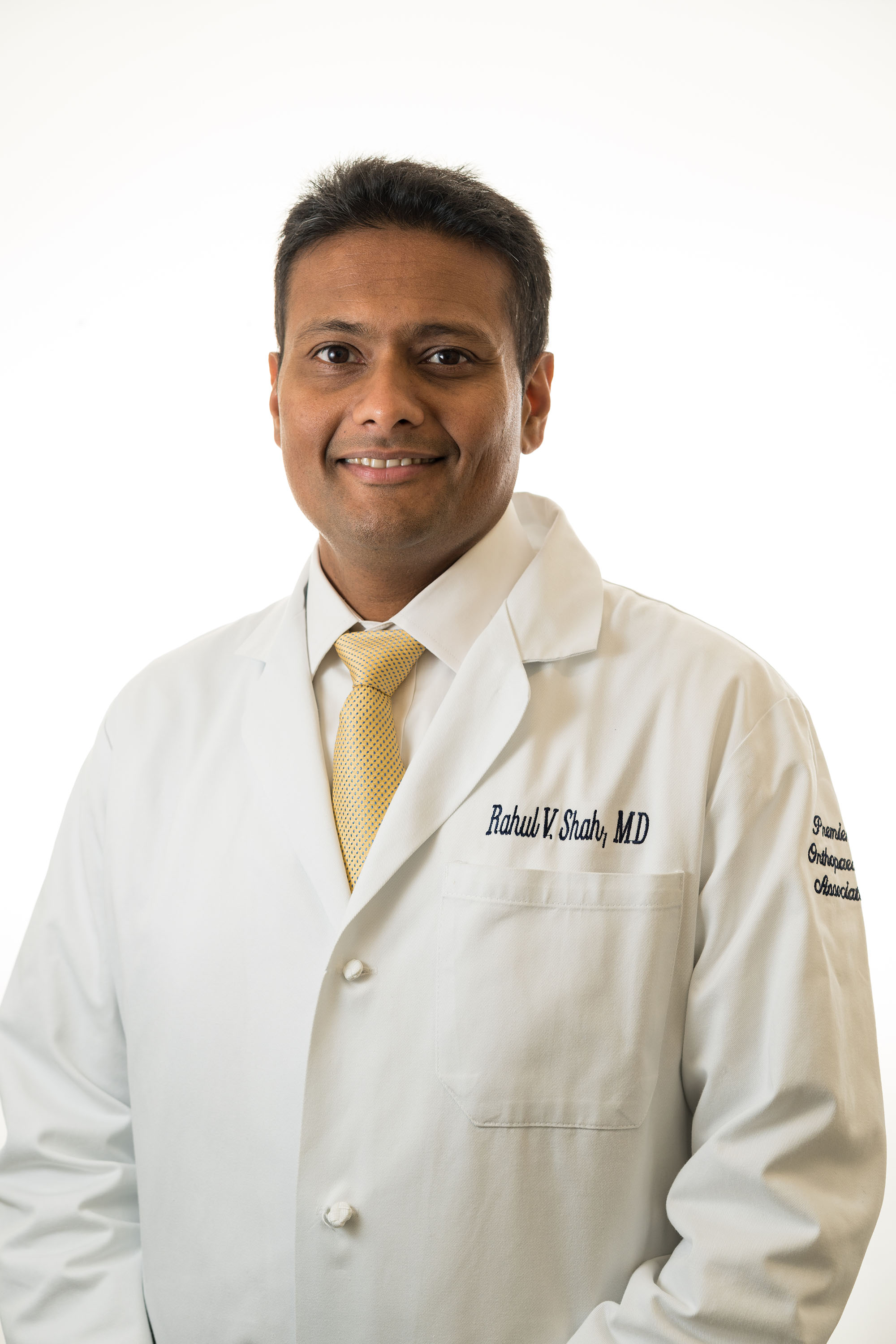
Rahul V. Shah

Dr. Rahul V. Shah, MD, FAAOS

Board-Certified Orthopaedic Spine Surgeon  |  Fellowship-Trained, UCSF  |  Chief Resident, Yale

Dr. Shah's UCSF fellowship included complex lumbar fusion in open and minimally invasive TLIF approaches, and his research publications include work on circumferential fusion techniques. His FDA clinical trial involvement and co-invention of spinal stabilization technology give New Jersey fusion patients access to a surgeon whose technical expertise extends to the implant systems that define current TLIF practice.

  • FAAOS - Fellow, American Academy of Orthopaedic Surgeons
  • Spine Surgery Fellowship - University of California, San Francisco
  • Chief Resident - Yale University Orthopaedic Surgery
  • Co-Inventor - Stablimax-NZ Dynamic Stabilization Device
  • Faculty - Rowan University Medical School
  • Top Doctor - New Jersey (Castle Connolly)

View Full Profile

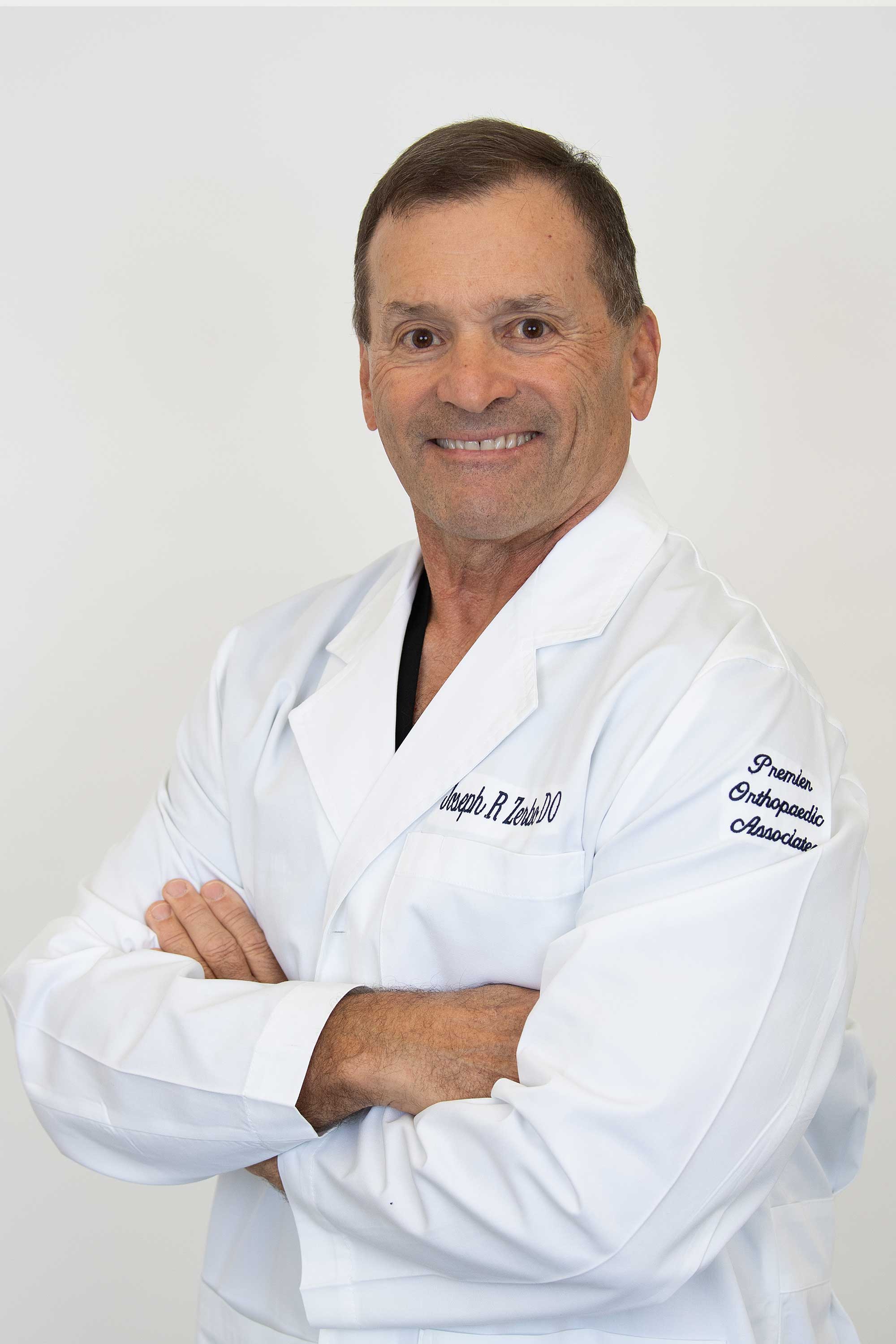
Joseph R. Zerbo male in white lab coat

Dr. Joseph R. Zerbo, DO

Board-Certified Orthopaedic Spine Surgeon  |  NASS Member  |  35+ Years in Southern NJ

Dr. Zerbo has performed lumbar fusion for Southern New Jersey patients for over three decades. His whole-person D.O. approach shapes how he evaluates fusion candidacy: the decision to pursue a procedure of this scope accounts for the patient's overall health, functional goals, and realistic capacity for the recovery that fusion requires.

  • AOBOS Board-Certified - American Osteopathic Board of Orthopaedic Surgeons
  • NASS Member - North American Spine Society (since 1999)
  • Chief Resident - Kennedy Memorial Hospital / UMDNJ
  • Founder - Zerbo Spine, PA
  • 35+ Years Serving Southern New Jersey

View Full Profile

Frequently Asked Questions

How is microdiscectomy different from a discectomy?

Can the disc herniate again after microdiscectomy?

Is microdiscectomy available as an outpatient procedure in New Jersey?

How is microdiscectomy different from a discectomy?

Traditional discectomy used a larger incision and removed more disc material to access the herniated fragment. Microdiscectomy uses magnification and a smaller approach to target only the herniated fragment causing the nerve compression, preserving more of the native disc. The minimally invasive approach reduces post-operative pain, hospital time, and recovery duration compared to open discectomy.

Can the disc herniate again after microdiscectomy?

Recurrent herniation at the same level occurs in approximately 5 to 10 percent of cases. The treated disc has lost some structural integrity from the initial herniation, making a small recurrence risk unavoidable. Core strengthening and activity modification after recovery reduce but do not eliminate this risk. If recurrence occurs, options include repeat microdiscectomy or fusion depending on the anatomy and patient history.

Is microdiscectomy available as an outpatient procedure in New Jersey?

Yes. For appropriate patients, microdiscectomy can be performed on an outpatient basis at ambulatory surgery facilities within the POA network. Facility selection depends on the procedure, patient health status, and location preference, and is discussed at your surgical consultation.

Contact us media
Accessibility: If you are vision-impaired or have some other impairment covered by the Americans with Disabilities Act or a similar law, and you wish to discuss potential accommodations related to using this website, please contact our Accessibility Manager at (856) 690-1616.
How can I help you?

Hey there, how can I help you?

Schedule a Visit Find a Provider Bill Pay
Contact Us