What Is a Foraminotomy?

The foramen is the lateral opening between adjacent vertebrae through which a nerve root exits the spinal canal. Foraminal stenosis, the narrowing of this opening from disc degeneration, bone spur formation, or facet joint hypertrophy, compresses the exiting nerve and generates radicular symptoms in the arm or leg depending on the spinal level involved. A foraminotomy removes the structures encroaching on the foramen, restoring adequate nerve root space without disrupting the disc or requiring the segment to be fused.

At the cervical level, posterior foraminotomy is particularly well-suited to patients with unilateral arm symptoms from foraminal stenosis where disc height is preserved. It preserves segmental motion, unlike anterior cervical discectomy and fusion, and is frequently performed as an outpatient procedure. At the lumbar level, foraminotomy is often combined with laminectomy when central and foraminal stenosis coexist, but can be performed in isolation for purely lateral nerve compression.

Foraminotomy vs. Fusion: When Motion Preservation Matters

For New Jersey patients with cervical foraminal stenosis and arm symptoms, the choice between posterior foraminotomy and anterior cervical discectomy and fusion depends on the anatomy. When disc height is preserved and the compression is primarily from the posterolateral bony structures rather than from a herniated disc pushing forward, foraminotomy decompresses the nerve without sacrificing segmental motion. Patients who value motion preservation, or who want to avoid the fusion-related restrictions on neck movement and activity, are often better served by foraminotomy when the anatomy supports it.

Background media

What to Expect

  •  Consultation: imaging review and clinical correlation to confirm foraminal stenosis as the symptomatic nerve compression source
  • Posterior cervical foraminotomy: frequently outpatient; return to most activities within two to four weeks
  • Lumbar foraminotomy: outpatient or one-night stay depending on complexity; recovery similar to microdiscectomy
  • Fusion is not required unless instability is present alongside the foraminal stenosis

Your Surgical Team at Premier Orthopaedic Associates

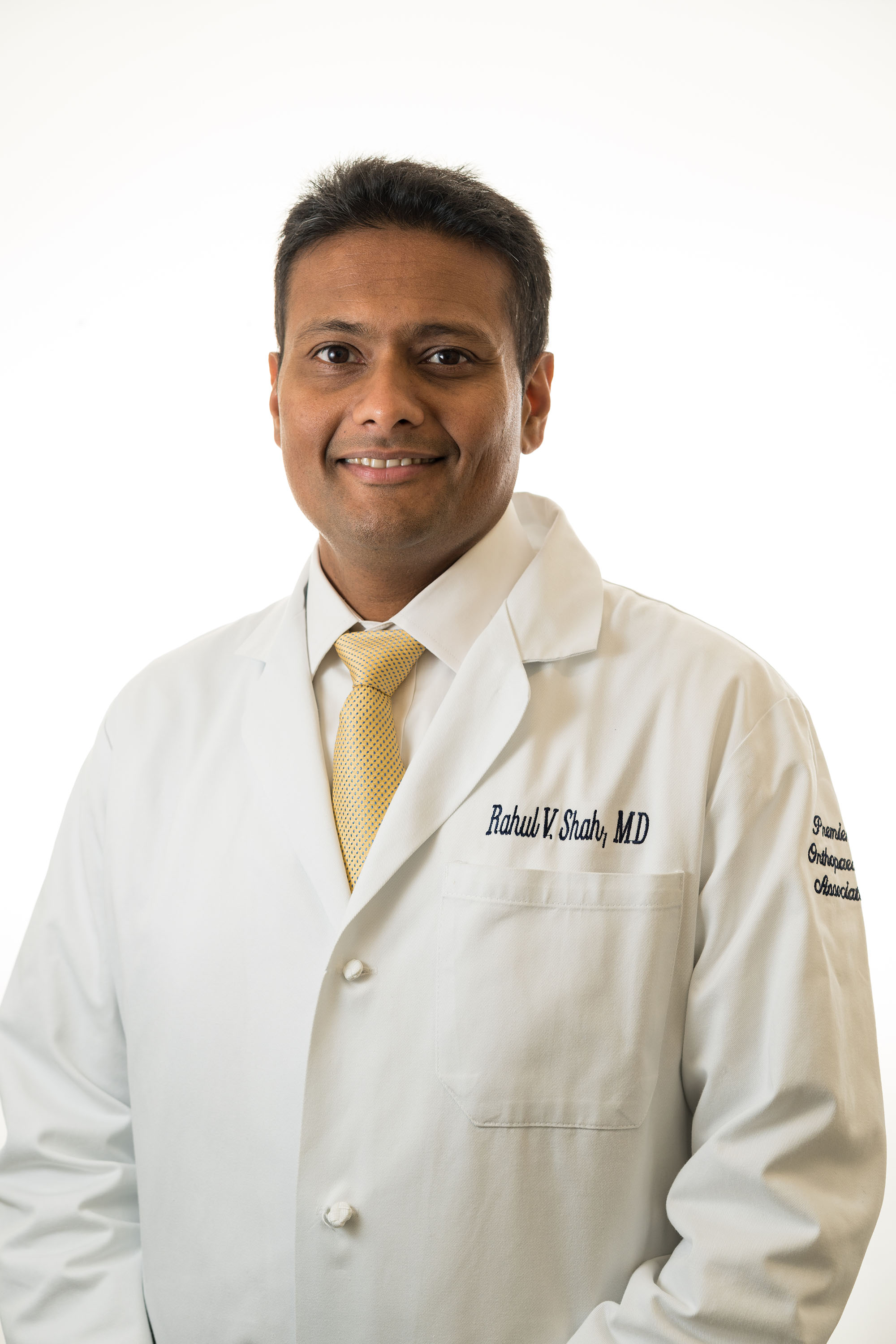
Rahul V. Shah

Dr. Rahul V. Shah, MD, FAAOS

Board-Certified Orthopaedic Spine Surgeon  |  Fellowship-Trained, UCSF  |  Chief Resident, Yale

Dr. Shah's UCSF fellowship included complex lumbar fusion in open and minimally invasive TLIF approaches, and his research publications include work on circumferential fusion techniques. His FDA clinical trial involvement and co-invention of spinal stabilization technology give New Jersey fusion patients access to a surgeon whose technical expertise extends to the implant systems that define current TLIF practice.

  • FAAOS - Fellow, American Academy of Orthopaedic Surgeons
  • Spine Surgery Fellowship - University of California, San Francisco
  • Chief Resident - Yale University Orthopaedic Surgery
  • Co-Inventor - Stablimax-NZ Dynamic Stabilization Device
  • Faculty - Rowan University Medical School
  • Top Doctor - New Jersey (Castle Connolly)

View Full Profile

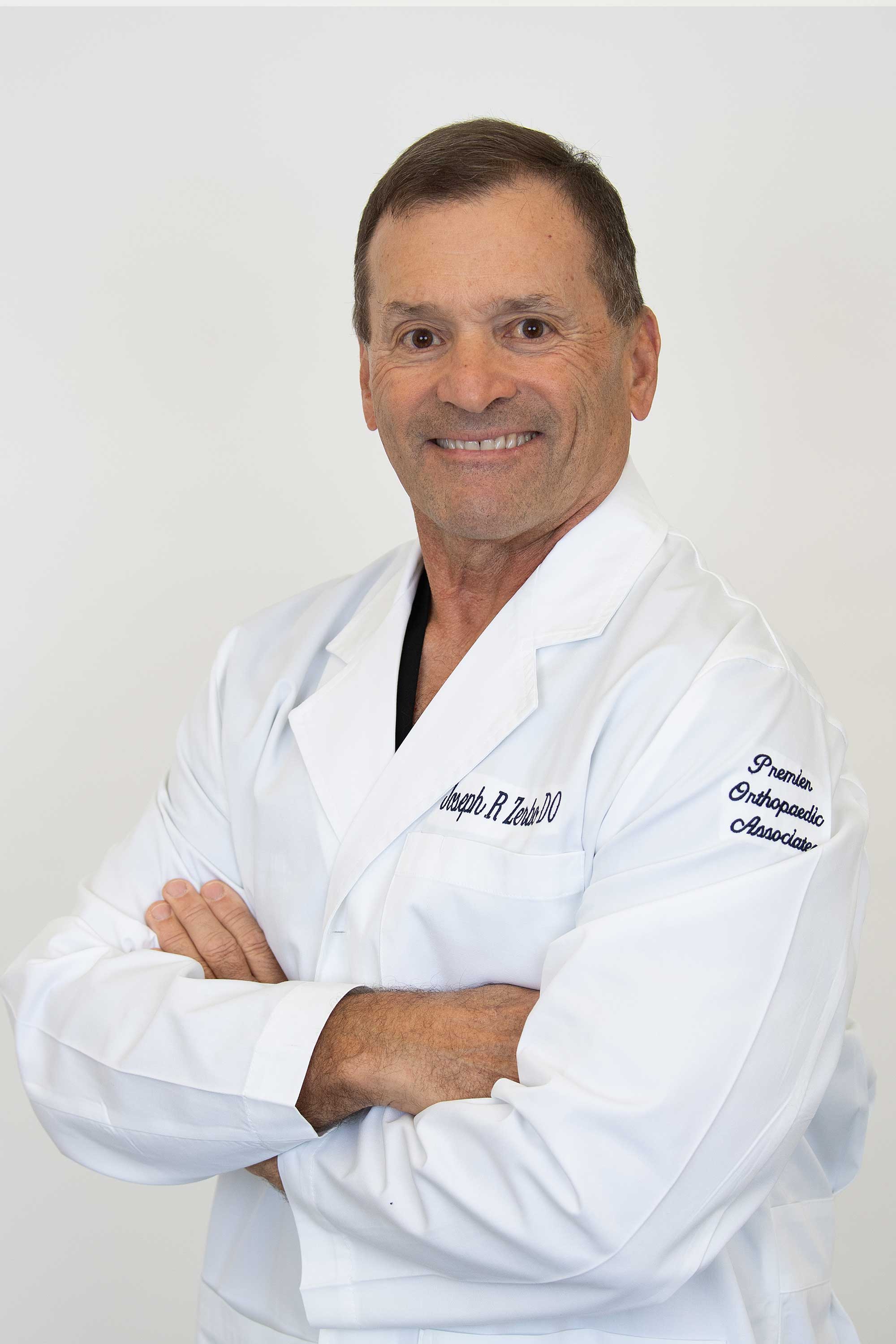
Joseph R. Zerbo male in white lab coat

Dr. Joseph R. Zerbo, DO

Board-Certified Orthopaedic Spine Surgeon  |  NASS Member  |  35+ Years in Southern NJ

Dr. Zerbo has performed lumbar fusion for Southern New Jersey patients for over three decades. His whole-person D.O. approach shapes how he evaluates fusion candidacy: the decision to pursue a procedure of this scope accounts for the patient's overall health, functional goals, and realistic capacity for the recovery that fusion requires.

  • AOBOS Board-Certified - American Osteopathic Board of Orthopaedic Surgeons
  • NASS Member - North American Spine Society (since 1999)
  • Chief Resident - Kennedy Memorial Hospital / UMDNJ
  • Founder - Zerbo Spine, PA
  • 35+ Years Serving Southern New Jersey

View Full Profile

Frequently Asked Questions

How is foraminotomy different from a laminectomy?

Will I need fusion after a foraminotomy?

Is cervical foraminotomy available as an outpatient procedure in New Jersey?

How is foraminotomy different from a laminectomy?

A laminectomy opens the central spinal canal by removing part of the lamina, addressing central stenosis broadly. A foraminotomy targets the specific lateral foramen where a single nerve root is compressed, removing only the structures that are narrowing that opening. The two procedures can be combined when both central and foraminal stenosis are present.

Will I need fusion after a foraminotomy?

In most cases, no. Foraminotomy removes a limited amount of bone and does not destabilize the treated segment. Fusion is added only when foraminal stenosis occurs alongside significant disc degeneration, segmental instability, or spondylolisthesis that would create instability without stabilization.

Is cervical foraminotomy available as an outpatient procedure in New Jersey?

Yes. Posterior cervical foraminotomy is frequently performed on an outpatient basis for healthy patients with isolated one or two-level foraminal stenosis. Specific facility and outpatient eligibility are confirmed at your surgical consultation.

Contact us media
Accessibility: If you are vision-impaired or have some other impairment covered by the Americans with Disabilities Act or a similar law, and you wish to discuss potential accommodations related to using this website, please contact our Accessibility Manager at (856) 690-1616.
How can I help you?

Hey there, how can I help you?

Schedule a Visit Find a Provider Bill Pay
Contact Us