What Is Cervical Foraminal Stenosis?

The cervical spine has eight nerve roots on each side, each exiting through a narrow opening called the foramen between adjacent vertebrae. Foraminal stenosis is the narrowing of these openings due to accumulated degenerative changes: disc height loss that reduces the vertical dimension of the foramen, uncovertebral joint osteophytes that encroach from the front, and facet joint hypertrophy that reduces the foramen from behind. As the opening narrows, the nerve root inside it is progressively compressed, producing symptoms in the specific arm and hand distribution that nerve controls.

Unlike central cervical stenosis, which compresses the spinal cord itself and can affect both arms and both legs, foraminal stenosis typically produces unilateral arm symptoms. The pattern of symptoms, which fingers are numb, which hand movements are weak, and where exactly the pain radiates, provides valuable diagnostic information before imaging is even reviewed. At POA, the clinical examination is the starting point, with imaging used to confirm and localize the structural finding.

Treatment at POA

  • Physical therapy: cervical traction, postural correction, and nerve mobilization techniques
  • Cervical epidural steroid injections at the specific compressive foraminal level
  • Activity modification and ergonomic assessment for occupation-related or posture-driven presentations
  • Posterior cervical foraminotomy: motion-preserving surgical decompression when conservative management has not provided adequate relief
  • ACDF: anterior approach when disc herniation is contributing to foraminal compression alongside the bony stenosis
Background media

Why Cervical Foraminal Stenosis Is Often Diagnosed Late

The gradual onset of cervical foraminal stenosis means that many New Jersey patients adapt to their symptoms over months or years before seeking evaluation. They attribute arm fatigue to overuse, hand numbness to sleeping position, and grip weakness to age. By the time they reach a spine specialist, they have often already had shoulder imaging, a course of physical therapy for a different diagnosis, or a peripheral nerve conduction study that was inconclusive. POA's cervical evaluation process is designed to identify the structural source accurately and give patients a clear explanation of what has been generating their symptoms.

Your Surgical Team at Premier Orthopaedic Associates

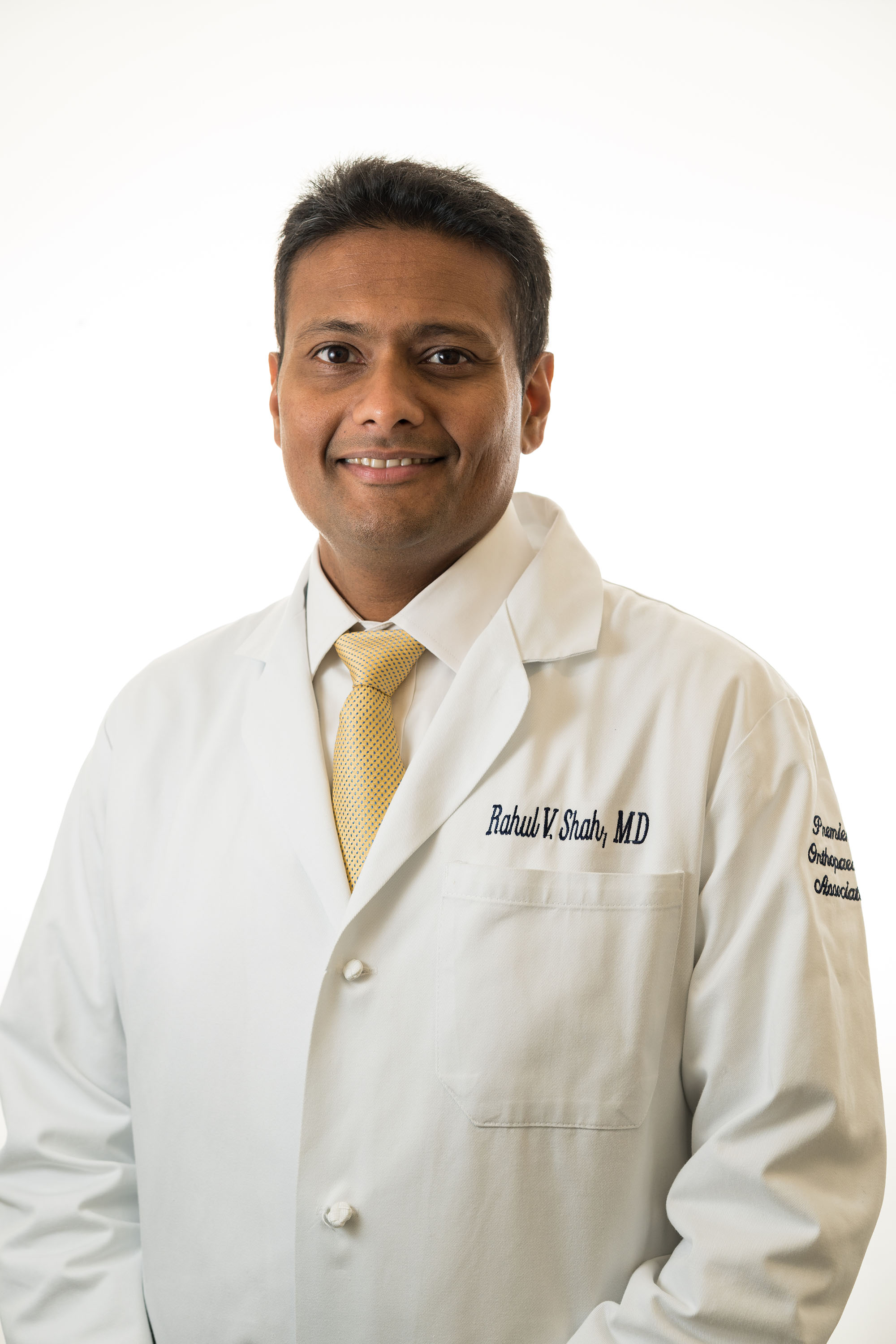
Rahul V. Shah

Dr. Rahul V. Shah, MD, FAAOS

Board-Certified Orthopaedic Spine Surgeon  |  Fellowship-Trained, UCSF  |  Chief Resident, Yale

Dr. Shah's UCSF fellowship included complex lumbar fusion in open and minimally invasive TLIF approaches, and his research publications include work on circumferential fusion techniques. His FDA clinical trial involvement and co-invention of spinal stabilization technology give New Jersey fusion patients access to a surgeon whose technical expertise extends to the implant systems that define current TLIF practice.

  • FAAOS - Fellow, American Academy of Orthopaedic Surgeons
  • Spine Surgery Fellowship - University of California, San Francisco
  • Chief Resident - Yale University Orthopaedic Surgery
  • Co-Inventor - Stablimax-NZ Dynamic Stabilization Device
  • Faculty - Rowan University Medical School
  • Top Doctor - New Jersey (Castle Connolly)

View Full Profile

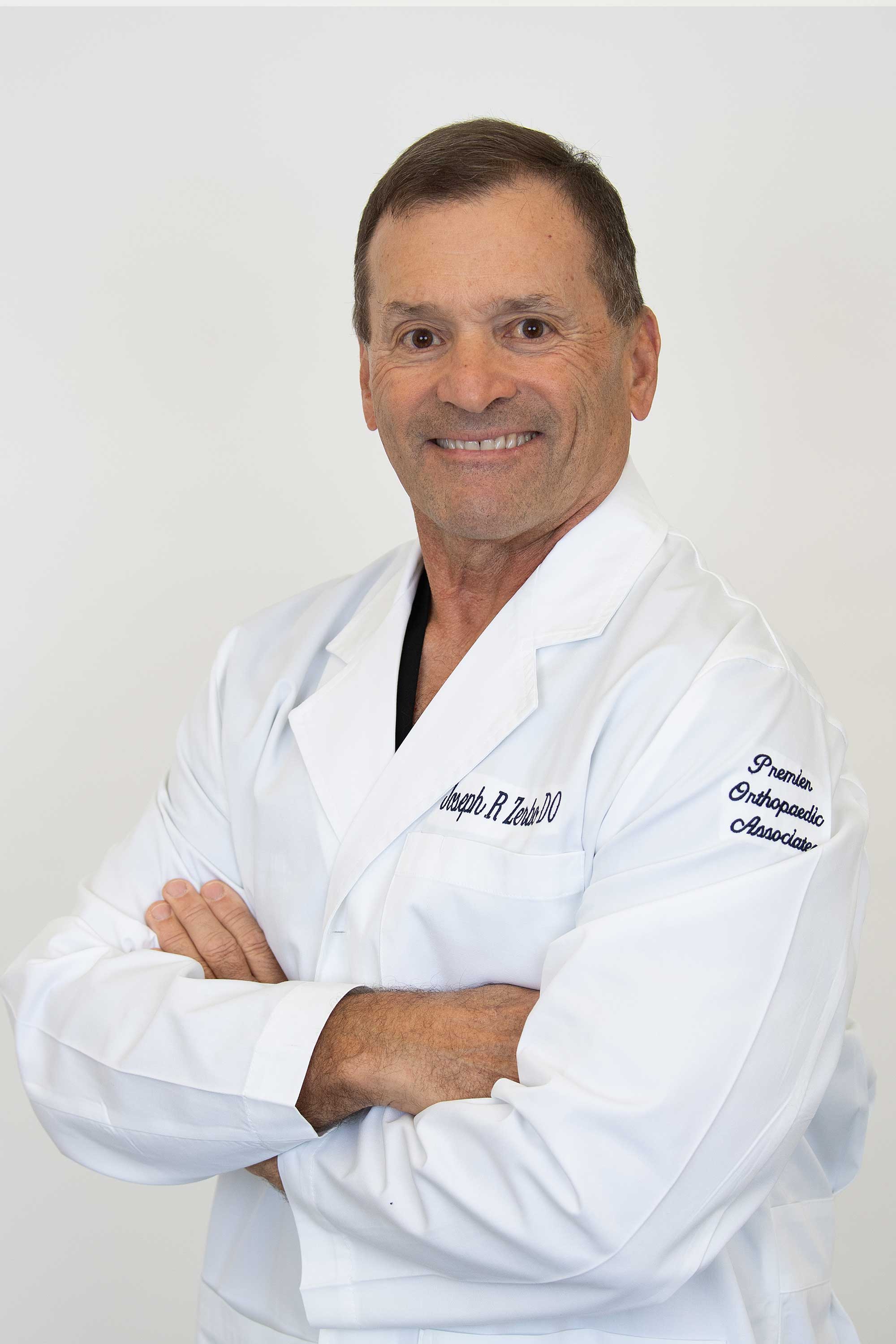
Joseph R. Zerbo male in white lab coat

Dr. Joseph R. Zerbo, DO

Board-Certified Orthopaedic Spine Surgeon  |  NASS Member  |  35+ Years in Southern NJ

Dr. Zerbo has performed lumbar fusion for Southern New Jersey patients for over three decades. His whole-person D.O. approach shapes how he evaluates fusion candidacy: the decision to pursue a procedure of this scope accounts for the patient's overall health, functional goals, and realistic capacity for the recovery that fusion requires.

  • AOBOS Board-Certified - American Osteopathic Board of Orthopaedic Surgeons
  • NASS Member - North American Spine Society (since 1999)
  • Chief Resident - Kennedy Memorial Hospital / UMDNJ
  • Founder - Zerbo Spine, PA
  • 35+ Years Serving Southern New Jersey

View Full Profile

Frequently Asked Questions

How is cervical foraminal stenosis different from a herniated disc?

Does cervical foraminal stenosis always require surgery?

Is cervical foraminal stenosis the same as cervical radiculopathy?

How is cervical foraminal stenosis different from a herniated disc?

A herniated disc involves displaced disc material pushing into the nerve root's path, usually acutely. Cervical foraminal stenosis is a gradual bony narrowing of the nerve exit opening from degenerative changes. Both can compress the same nerve root and produce similar symptoms. The distinction matters because disc herniations have a more favorable natural history and the material can retract over time, while bony foraminal stenosis is a fixed mechanical problem that does not resolve on its own.

Does cervical foraminal stenosis always require surgery?

No. Many patients with cervical foraminal stenosis manage their symptoms effectively with physical therapy, cervical traction, and targeted injections. Surgery is recommended when conservative treatment has not provided adequate relief, when progressive neurological deficit is present, or when the degree of compression makes spontaneous improvement unlikely. Posterior cervical foraminotomy, when indicated, is a well-tolerated procedure with strong outcomes for appropriately selected patients.

Is cervical foraminal stenosis the same as cervical radiculopathy?

Cervical foraminal stenosis is a structural diagnosis describing the narrowed nerve root exit. Cervical radiculopathy is the clinical syndrome of symptoms that results from nerve root compression. Foraminal stenosis is one of the primary structural causes of cervical radiculopathy. A patient can have foraminal stenosis on imaging without radiculopathy if the nerve is not yet significantly compressed, and can have radiculopathy from disc herniation without fixed foraminal stenosis.

Contact us media
Accessibility: If you are vision-impaired or have some other impairment covered by the Americans with Disabilities Act or a similar law, and you wish to discuss potential accommodations related to using this website, please contact our Accessibility Manager at (856) 690-1616.
How can I help you?

Hey there, how can I help you?

Schedule a Visit Find a Provider Bill Pay
Contact Us