Lumbar Disc Herniation and Radiculopathy: The Leg Pain Is the Target

The lumbar disc functions as a shock absorber between vertebral bodies. When the nucleus pulposus — the gel-like center of the disc — herniates through the annulus fibrosus and contacts one of the lumbar nerve roots, the result is radiculopathy: pain, numbness, tingling, and in significant cases, weakness in the distribution of the affected nerve. At L4-5, the L5 nerve root produces pain into the outer lower leg and top of the foot; at L5-S1, the S1 root produces pain into the calf and bottom of the foot. The radiating leg pain is often more prominent and disabling than the back pain itself. This distinction — that the primary symptom is the leg pain, not the back pain — is clinically important because it defines what microdiscectomy treats and what it does not.

Microdiscectomy is highly effective at relieving nerve root compression and resolving the leg pain and radicular symptoms. It is not a back pain operation. Patients who have predominantly back pain without significant leg radiculopathy are evaluated differently, and a different treatment approach is appropriate. For Mullica Hill patients referred through the Inspira network, the initial evaluation focuses on confirming that the clinical picture — the pattern of leg symptoms, the neurological examination findings, and the imaging — all point to the same nerve level. When they do, the path to an appropriate recommendation is clear.

Conservative Management Has a Defined Window — Not an Open-Ended Timeline

The majority of disc herniations improve without surgery over a period of weeks to months. Disc material gradually resorbs, nerve root inflammation subsides, and symptoms resolve or become manageable. For patients with recent onset of symptoms and no progressive neurological deficit, a structured conservative trial is the appropriate first step: a defined course of physical therapy and activity modification, and in appropriate cases, an image-guided epidural steroid injection to reduce nerve root inflammation. But the conservative trial has a defined endpoint. Six to eight weeks of structured management without meaningful improvement — particularly when the patient's daily function remains significantly impaired — is the point at which surgical evaluation becomes appropriate. Progressive weakness in the affected leg is a separate consideration: significant or worsening motor deficit typically warrants more urgent surgical evaluation regardless of how long conservative management has been underway. Many Mullica Hill patients arrive at our office having already worked through a conservative course with their Inspira providers. For those patients, the question is whether that trial produced adequate improvement or whether persistent nerve compression requires decompression. We make that assessment based on the current clinical picture, not on how many weeks have elapsed.

Background media

How Microdiscectomy Is Performed — Precision Over Incision Size

Microdiscectomy is performed under general anesthesia, typically taking forty-five to ninety minutes. Through a small posterior incision, the surgeon uses a microscope or surgical loupes to visualize the operative field at high magnification. A small window is created in the ligamentum flavum overlying the affected disc level; the nerve root is gently retracted; and the herniated disc fragment — the specific piece of nucleus material compressing the nerve — is removed from the spinal canal.

The surgery removes the herniated fragment and decompresses the nerve root. The remaining disc, the bone, and the motion segment are preserved. This is not a fusion procedure, and the level remains mobile after surgery. The microsurgical technique minimizes disruption to the surrounding muscles and structures, which is directly reflected in the recovery timeline.

Post-operative rehabilitation through Inspira's physical therapy network is available to Mullica Hill patients, with the advantage that recovery-phase PT can be coordinated within the same health system where the surgery was performed.

Your Surgical Team at Premier Orthopaedic Associates

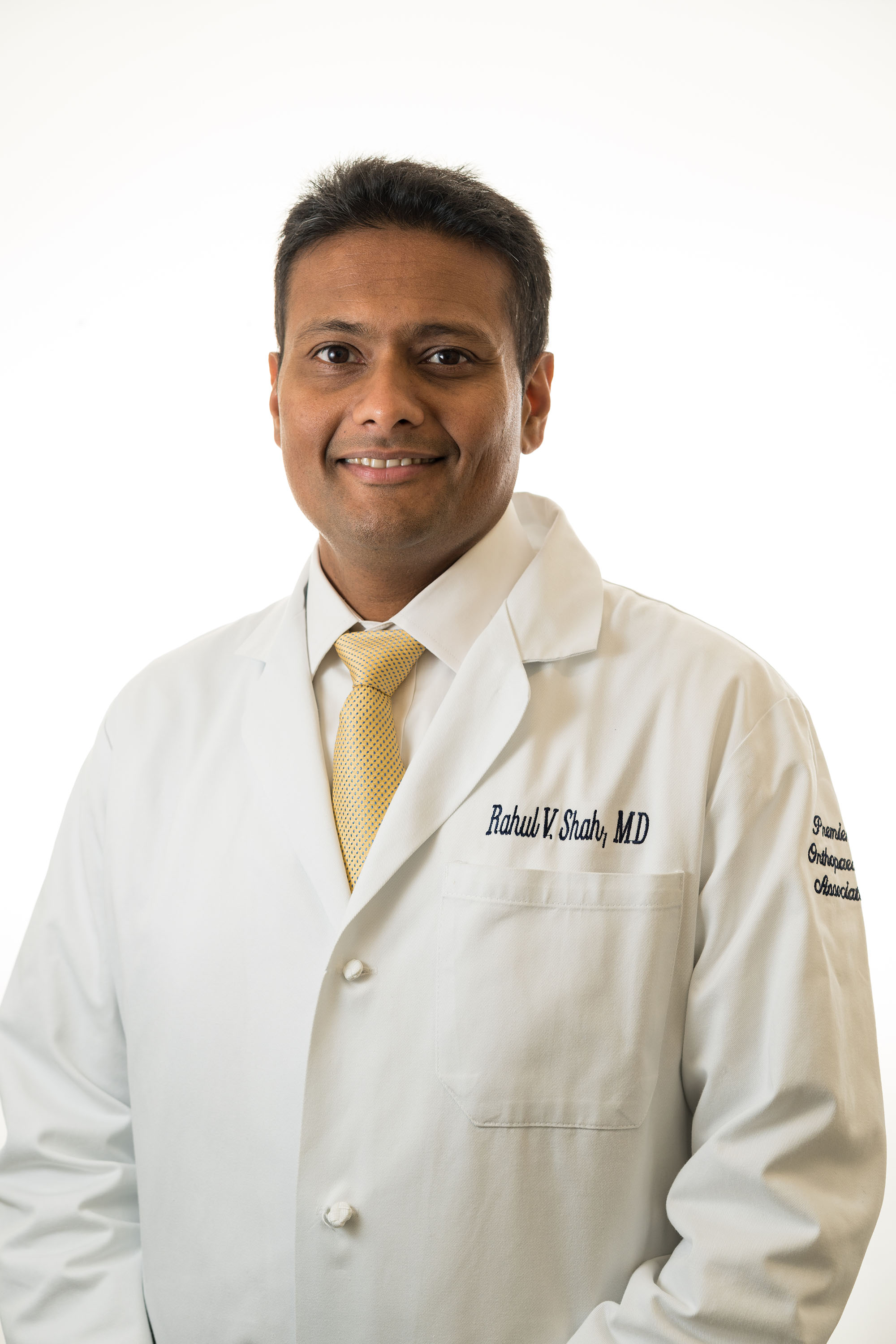
Rahul V. Shah

Dr. Rahul V. Shah, MD, FAAOS

Board-Certified Orthopaedic Spine Surgeon  |  Fellowship-Trained, UCSF  |  Chief Resident, Yale

Dr. Shah's microdiscectomy technique reflects the precision he developed during his UCSF fellowship. He is particular about the preoperative conversation: he distinguishes carefully between the leg symptoms that microdiscectomy addresses and the back pain component that it does not, so that patients have accurate expectations before they go to the operating room. Mullica Hill patients appreciate that directness — he does not oversell what the surgery can deliver, and he does not undersell the relief it provides for appropriately selected patients with true disc herniation radiculopathy.

  • FAAOS - Fellow, American Academy of Orthopaedic Surgeons
  • Spine Surgery Fellowship - University of California, San Francisco
  • Chief Resident - Yale University Orthopaedic Surgery
  • Faculty - Rowan University Medical School

View Full Profile

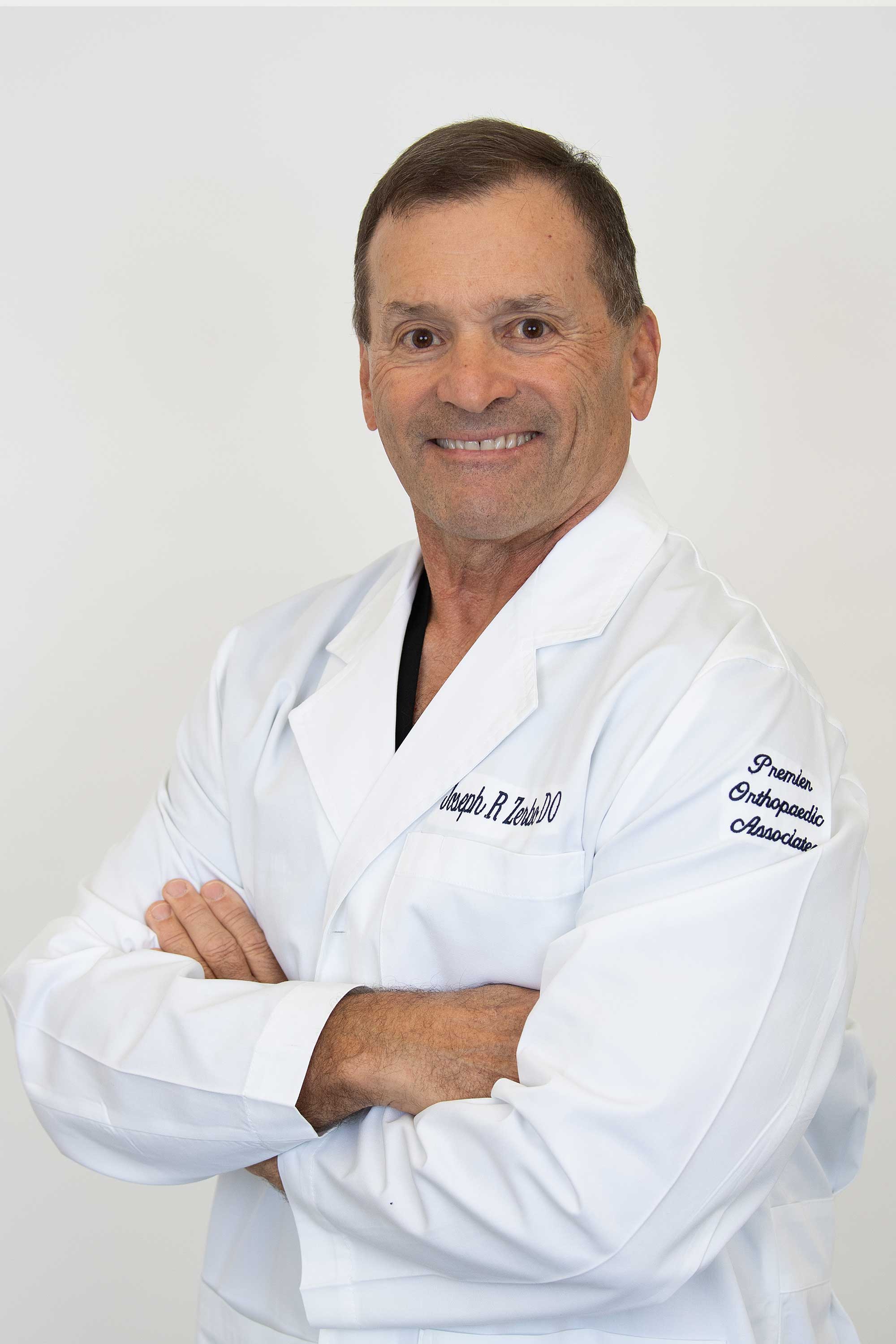
Joseph R. Zerbo male in white lab coat

Dr. Joseph R. Zerbo, DO

Board-Certified Orthopaedic Spine Surgeon  |  NASS Member  |  35+ Years in Southern NJ

Dr. Zerbo approaches microdiscectomy with the understanding that recovery is an active process, not just the passive passage of time. His D.O. orientation informs how he counsels Mullica Hill patients about the post-operative period: the nerve that was compressed before surgery needs time to recover, and the muscles and structures of the lower back need rehabilitation to return to full function. For active patients — those who want to return to sport, to physical work, to the activities they gave up because of leg pain — he provides honest, experience-based expectations about what the recovery arc looks like and what active participation in rehabilitation accomplishes.

  • AOBOS Board-Certified - American Osteopathic Board of Orthopaedic Surgeons
  • NASS Member - North American Spine Society (since 1999)
  • Chief Resident - Kennedy Memorial Hospital / UMDNJ
  • Founder - Zerbo Spine, PA

View Full Profile

Microdiscectomy FAQs

My leg pain is worse than my back pain — is that relevant to whether I need surgery?

How long should I try conservative treatment before considering microdiscectomy?

Will my disc herniate again after microdiscectomy?

Is physical therapy available at the Inspira campus after surgery?

What if the leg pain does not completely resolve after surgery?

My leg pain is worse than my back pain — is that relevant to whether I need surgery?

Yes, and it is an important distinction. Microdiscectomy is a nerve root decompression procedure — it is designed to relieve the leg pain, numbness, and weakness that comes from a compressed nerve root. Patients with predominantly leg-dominant symptoms from a confirmed disc herniation are the core candidates for microdiscectomy, and the relief of those symptoms is highly predictable. Back pain, which has different sources, is evaluated separately. The pattern of your symptoms is one of the first things we assess.

How long should I try conservative treatment before considering microdiscectomy?

Six to eight weeks of structured conservative management — physical therapy, activity modification, possibly an epidural steroid injection — is a reasonable trial for patients with recent onset of symptoms and no significant weakness. If you have been managed within the Inspira system through that trial and are not improving meaningfully, that is an appropriate point to seek spine-specific surgical evaluation. Progressive leg weakness changes the timeline: significant or worsening motor deficit warrants more urgent evaluation regardless of how long you have been managing conservatively.

Will my disc herniate again after microdiscectomy?

Recurrent disc herniation at the same level occurs in approximately five to fifteen percent of patients. The surgery removes the herniated fragment but leaves the remaining disc in place, which means a portion of the disc material is still present and capable of herniating again under the right conditions. Activity modification in the months after surgery, particularly avoiding heavy lifting with a flexed spine during the healing period, reduces this risk. If recurrence does occur, surgical options remain available.

Is physical therapy available at the Inspira campus after surgery?

Inspira Health Network includes rehabilitation and physical therapy services. For Mullica Hill patients who have had surgery, coordinating post-operative physical therapy within the Inspira system is an option that keeps your recovery team connected to the same health system where your surgical care was delivered. We can also provide a referral to physical therapy of your choice — the most important factor is that you participate in a structured program.

What if the leg pain does not completely resolve after surgery?

Most patients experience significant leg pain relief shortly after microdiscectomy, often within days of surgery. Complete resolution of numbness and any pre-existing weakness takes longer — nerve recovery depends on how long the nerve was compressed and how much injury it sustained. Residual numbness that gradually improves over weeks to months is common and expected. True treatment failure — where the nerve root remains compressed or symptoms recur — is evaluated with repeat imaging and a clinical reassessment to determine the appropriate next step.
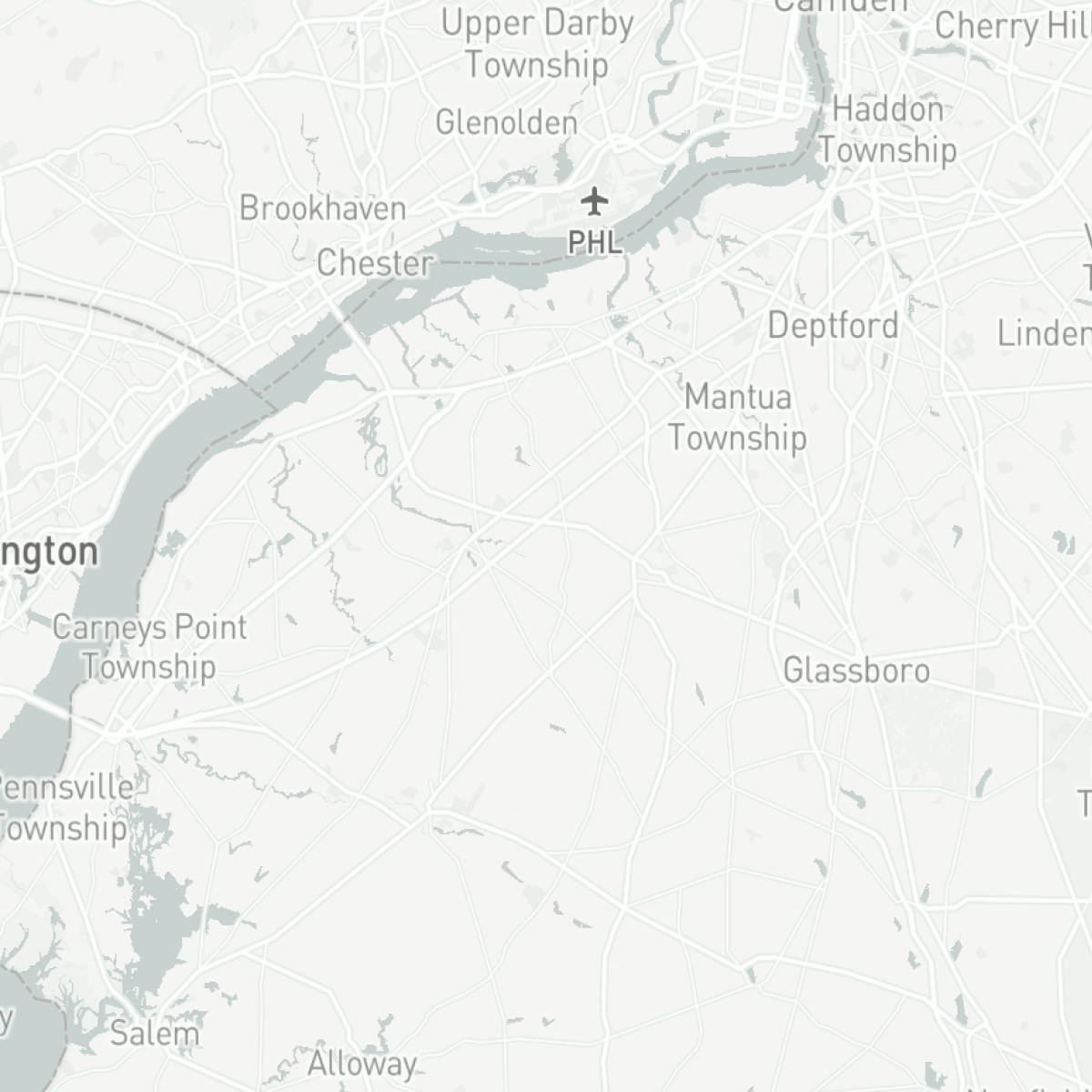
Premier Orthopaedic Associates Mullica Hill - Inspira Hospital

Contact

(856) 690-1616

Hours of Operation

MON — FRI: 8:30AM - 5PM

Contact This Location
Contact us media
Accessibility: If you are vision-impaired or have some other impairment covered by the Americans with Disabilities Act or a similar law, and you wish to discuss potential accommodations related to using this website, please contact our Accessibility Manager at (856) 690-1616.
How can I help you?

Hey there, how can I help you?

Schedule a Visit Find a Provider Bill Pay
Contact Us