Understanding the Foraminotomy Procedure and Who It Is Designed For

The foramen is the bony channel through which each cervical nerve root exits the spinal canal on its way to the arm and hand. When that channel narrows — from bone spurs, degenerative joint changes, or a disc herniation that has migrated into the foramen — the nerve root inside it becomes compressed, producing the radiating arm pain, numbness, and weakness that characterize cervical radiculopathy. A posterior cervical foraminotomy addresses this compression through a small incision at the back of the neck.

The surgeon removes the bone and tissue that has encroached on the foramen — widening the channel and freeing the nerve root — without removing the disc or placing hardware. Because the disc and ligamentous structures remain intact and no fusion is performed, the treated level retains its normal range of motion after recovery. This is the key distinction between foraminotomy and ACDF: foraminotomy preserves motion at the treated level, while ACDF eliminates it. For appropriately selected patients, that distinction is clinically meaningful — particularly for active individuals who want to maintain full cervical mobility, and for patients who want to avoid the cascade of considerations that come with cervical fusion.

The Anatomy-Driven Decision: When Foraminotomy Is the Right Choice

Not every cervical radiculopathy patient is a foraminotomy candidate, and at POA Mullica Hill we are explicit about the anatomical criteria rather than applying the procedure broadly. Foraminotomy is most appropriate when:

  • The compression is predominantly foraminal — bone spurs or foraminal narrowing, rather than central disc herniation causing cord pressure
  • Disc height is reasonably preserved at the affected level — significant disc space collapse changes the biomechanics and typically makes fusion more appropriate
  • There is no instability at the affected segment — foraminotomy is a decompression procedure, not a stabilization procedure
  • Single or limited-level involvement — multilevel disease with cord compromise is typically better addressed with an anterior approach
  • The patient has failed a reasonable conservative trial, including physical therapy and potentially a cervical epidural steroid injection

When a patient comes to us having been told they need ACDF by another provider, we review the imaging with a fresh set of eyes. If the anatomy supports foraminotomy as a technically sound alternative, we explain that option and the rationale. If ACDF is in fact the more appropriate procedure for their specific anatomy, we explain that too — and exactly why. Patients deserve to understand the anatomical basis for the recommendation they receive.


Banner media

Foraminotomy at Inspira Medical Center Mullica Hill

Posterior cervical foraminotomy is performed at Inspira Medical Center Mullica Hill. The procedure is done under general anesthesia with the patient positioned prone. Through a small posterior incision, the surgeon uses specialized instruments — and in appropriate cases, intraoperative fluoroscopy — to locate the affected level and remove the bone and soft tissue compressing the nerve root. The foramen is widened under direct visualization until the nerve root is decompressed. The procedure typically takes one to two hours depending on the number of levels involved.

Because foraminotomy is a posterior approach that does not enter the disc space or require implantation of hardware, the physiological burden on the patient is lower than that of ACDF. Many patients are discharged the same day. Neck soreness from the posterior muscle dissection is the primary postoperative discomfort, and it improves significantly within the first two to three weeks as the muscle heals.

For patients already within the Inspira Health Network, the perioperative process is often more streamlined: pre-admission workup, anesthesia, and post-operative monitoring can be coordinated within the system patients are already familiar with.

Recovery and Return to Function After Cervical Foraminotomy

Most patients are walking the day of surgery and return home the same day or the following morning. Neck soreness and some stiffness are expected for the first two to three weeks. Physical therapy — available through the Inspira rehabilitation network or a provider of the patient's choice — typically begins at three to four weeks to restore cervical range of motion and rebuild posterior cervical muscle strength.

Radiculopathy symptoms — the arm pain, numbness, and tingling — often improve substantially within days of surgery as the nerve root decompresses. Complete nerve recovery, including resolution of any pre-existing weakness or numbness, can take weeks to months depending on how long the nerve was compressed prior to surgery. Return to desk work is typically two to three weeks; more physically demanding activity is evaluated on a case-by-case basis.

Banner media

Your Surgical Team at POA Mullica Hill

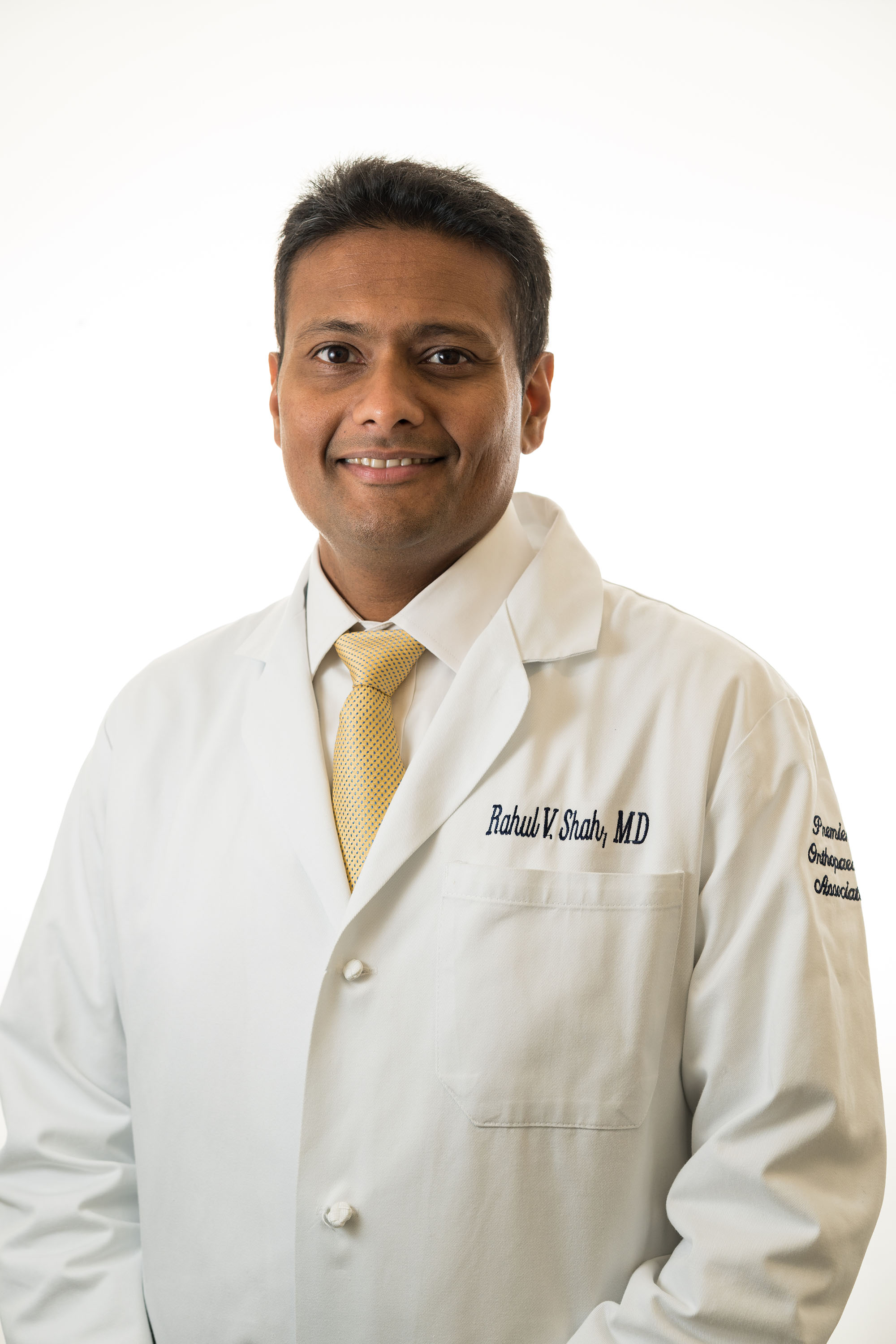
Rahul V. Shah

Dr. Rahul V. Shah, MD, FAAOS

Board-Certified Orthopaedic Spine Surgeon  |  Fellowship-Trained, UCSF  |  Chief Resident, Yale

For Dr. Shah, the foraminotomy vs. ACDF decision is an anatomical question, not a philosophical one. His UCSF fellowship training included both anterior and posterior cervical approaches, and his practice at Mullica Hill reflects that: he selects the procedure that the specific anatomy demands. When a Mullica Hill patient's MRI shows predominantly foraminal stenosis with preserved disc height and no instability, foraminotomy is often the more logical solution — targeted decompression without the structural commitment of fusion. He makes the anatomical case clearly to each patient so the decision is an informed one.

  • FAAOS — Fellow, American Academy of Orthopaedic Surgeons
  • Spine Surgery Fellowship — University of California, San Francisco
  • Chief Resident — Yale University Orthopaedic Surgery
  • Faculty — Rowan University Medical School

View Full Profile

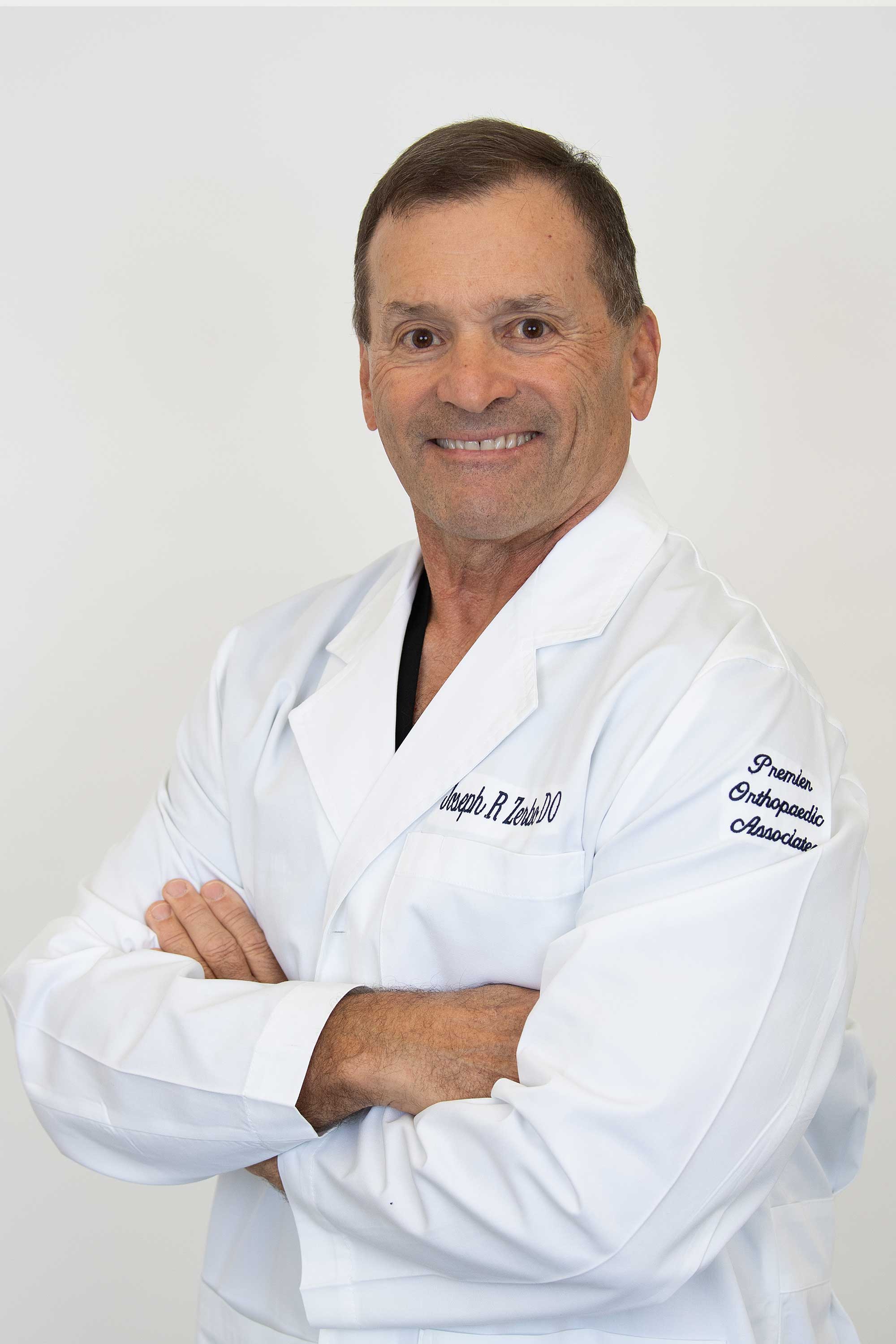
Joseph R. Zerbo male in white lab coat

Dr. Joseph R. Zerbo, DO

Board-Certified Orthopaedic Spine Surgeon  |  NASS Member  |  35+ Years in Southern NJ

Dr. Zerbo's approach to foraminotomy reflects his attention to the whole patient. The motion that foraminotomy preserves is not just a biomechanical abstract — it is the patient's ability to turn their head while driving, to look over their shoulder, to maintain the cervical mobility they have lived with their whole life. For active patients who came to the Mullica Hill office through Inspira's coordinated care network and want to understand all their surgical options before proceeding, Dr. Zerbo's depth of experience with posterior cervical approaches means he can have a precise, technically grounded conversation about what foraminotomy can accomplish and what it cannot.

  • AOBOS Board-Certified — American Osteopathic Board of Orthopaedic Surgeons
  • NASS Member — North American Spine Society (since 1999)
  • Chief Resident — Kennedy Memorial Hospital / UMDNJ
  • Founder — Zerbo Spine, PA

View Full Profile

Foraminotomy FAQs

Another surgeon told me I need ACDF — could foraminotomy be an option for me?

Is foraminotomy done at the Inspira campus in Mullica Hill?

Will I need a cervical collar after surgery?

When do the arm symptoms improve after foraminotomy?

Another surgeon told me I need ACDF — could foraminotomy be an option for me?

It depends on your specific anatomy. Foraminotomy is an excellent option when the compression is foraminal, disc height is preserved, and there is no instability at the affected segment. If you have a recent cervical MRI, we can review it and give you a clear anatomical answer about whether foraminotomy is technically appropriate for your situation. If ACDF is in fact the correct procedure for your anatomy, we will explain exactly why. If foraminotomy is a sound alternative, we will explain that instead.

Is foraminotomy done at the Inspira campus in Mullica Hill?

Yes. Foraminotomy procedures performed by our Mullica Hill surgeons are done at Inspira Medical Center Mullica Hill. For patients who are already established within the Inspira Health Network, this means your pre-operative workup, surgical care, and recovery can all take place within a system you are already connected to.

Will I need a cervical collar after surgery?

Most patients after posterior cervical foraminotomy do not require a rigid cervical collar. A soft collar for comfort during the first week or two is sometimes recommended. Because no fusion hardware is placed, the structural stability of the cervical spine is maintained, and collar immobilization for prolonged periods is generally not indicated.

When do the arm symptoms improve after foraminotomy?

Many patients notice improvement in arm and hand symptoms within days of surgery, as the pressure on the nerve root is relieved. Shooting or burning pain typically resolves sooner than numbness, and numbness often resolves sooner than weakness. Complete nerve recovery — particularly if the nerve was compressed for an extended period before surgery — can continue improving over weeks to months. Your surgeon will set clear expectations based on your pre-surgical nerve function.

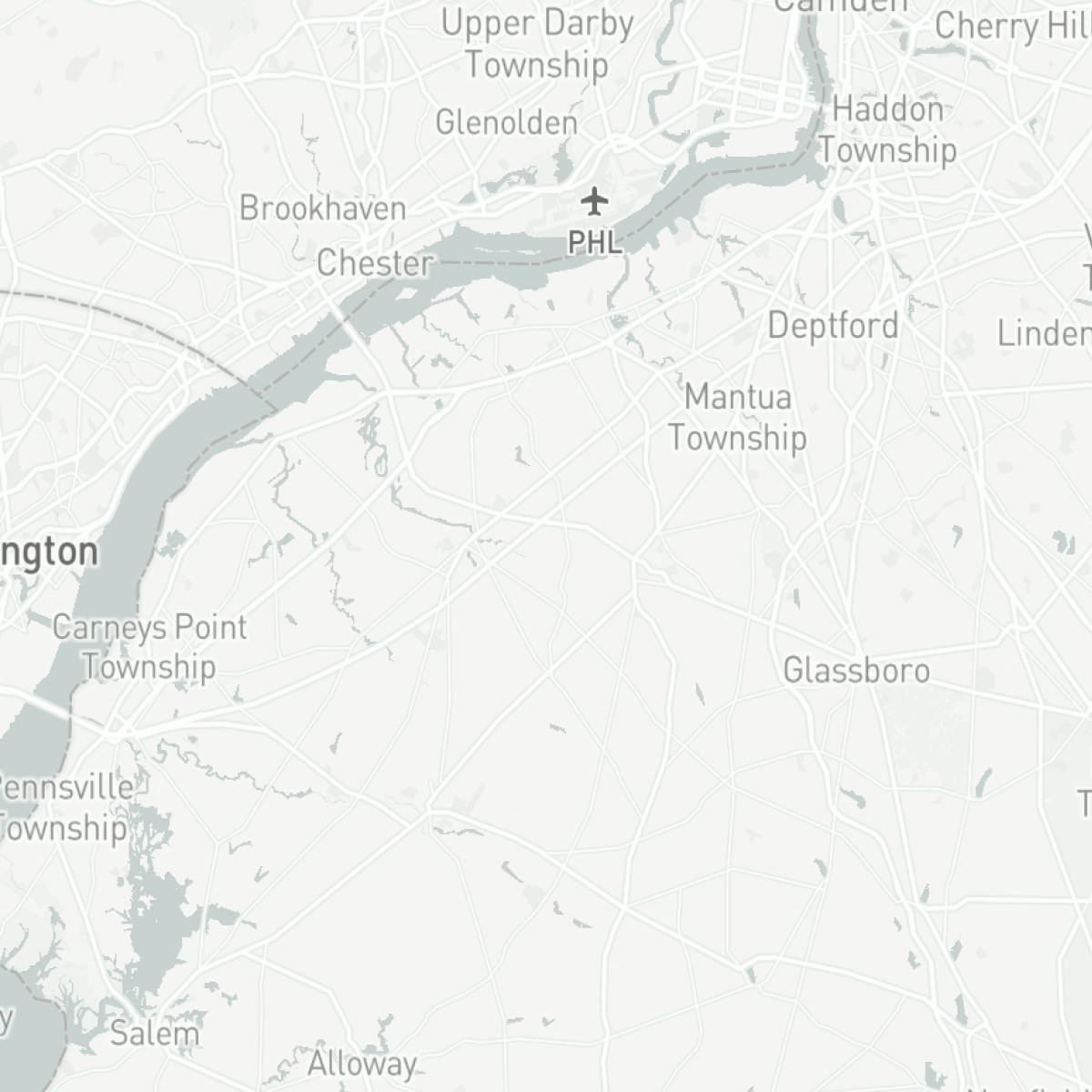
Premier Orthopaedic Associates Mullica Hill - Inspira Hospital

Contact

(856) 690-1616

Hours of Operation

MON — FRI: 8:30AM - 5PM

Contact This Location
Contact us media
Accessibility: If you are vision-impaired or have some other impairment covered by the Americans with Disabilities Act or a similar law, and you wish to discuss potential accommodations related to using this website, please contact our Accessibility Manager at (856) 690-1616.
How can I help you?

Hey there, how can I help you?

Schedule a Visit Find a Provider Bill Pay
Contact Us