What Is Cervical Radiculopathy?

Cervical radiculopathy occurs when a nerve root exiting the cervical spine is compressed or irritated, producing symptoms that travel along the path that nerve controls. The most common causes are disc herniation, in which displaced disc material presses directly on the nerve root, and foraminal stenosis, in which the bony opening through which the nerve exits has narrowed over time due to degenerative changes. Symptoms can include sharp or burning pain into the shoulder or arm, numbness or tingling into the hand or fingers, and weakness in grip or specific hand movements. 

The location and character of symptoms helps identify which cervical level is involved. A key diagnostic distinction is separating cervical radiculopathy from other conditions that produce arm symptoms: rotator cuff pathology, thoracic outlet syndrome, cubital tunnel syndrome, and peripheral neuropathy can all mimic cervical nerve root compression. At POA Linwood, the evaluation process is designed to identify the correct structural source before any treatment is recommended.

Who Is Affected in the Atlantic County Region?

Atlantic County's workforce includes a significant proportion of hospitality, service, construction, and healthcare workers whose jobs place repetitive demands on the cervical spine. Extended periods of forward head posture from desk work and device use compound those demands. Shore-area residents who are physically active in water sports, golf, and recreational activities also present with cervical disc pathology at rates consistent with an active population. At POA Linwood, we see these patients early in their symptom course and prioritize conservative care, reserving surgical discussion for the subset whose anatomy and symptom severity require it.

Background media

Treatment Approach at POA Linwood

  • Physical and neurological examination to map symptom distribution to specific cervical levels
  • MRI review to correlate imaging findings with clinical symptoms
  • Structured physical therapy targeting cervical decompression and postural correction
  • Cervical epidural steroid injections when inflammation is a significant contributor to symptoms
  • Surgical consultation when conservative measures have not produced adequate improvement within an appropriate trial period
  • Surgical options include ACDF, posterior foraminotomy, and cervical disc replacement depending on anatomy and age

When Is Surgery Considered?

Most patients with cervical radiculopathy improve with a structured conservative program. Surgery is discussed when symptoms have persisted despite an adequate trial of therapy and injections, when progressive neurological deficit is present, or when imaging shows a structural problem that is unlikely to resolve without surgical decompression. When surgery is the right recommendation, POA Linwood surgeons coordinate operative care at AtlantiCare Regional Medical Center, keeping Atlantic County patients close to home and close to their existing support network during recovery.

Banner media

Your Surgical Team at POA Linwood

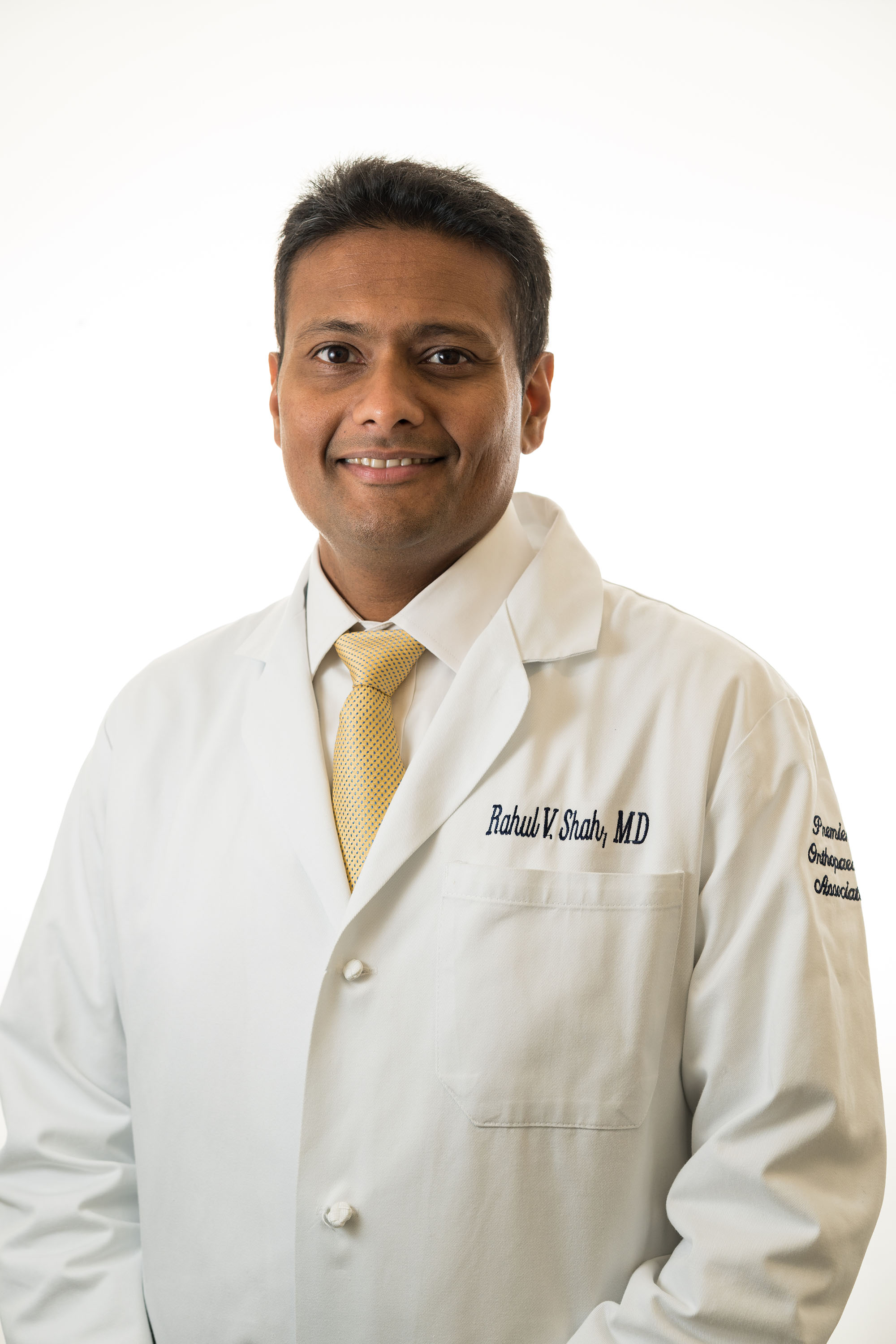
Rahul V. Shah

Dr. Rahul V. Shah, MD, FAAOS

Board-Certified Orthopaedic Spine Surgeon  |  Fellowship-Trained, UCSF  |  Chief Resident, Yale

Dr. Shah's subspecialty training at UCSF included a high volume of cervical spine cases, and his published work includes research on minimally invasive cervical techniques and cervical disc arthroplasty. Atlantic County patients with cervical radiculopathy benefit from a surgeon who evaluates the cervical spine at the same level of precision expected at a major academic medical center, now available in Linwood.

  • FAAOS — Fellow, American Academy of Orthopaedic Surgeons
  • Spine Surgery Fellowship — University of California, San Francisco
  • Chief Resident — Yale University Orthopaedic Surgery
  • Faculty — Rowan University Medical School

View Full Profile

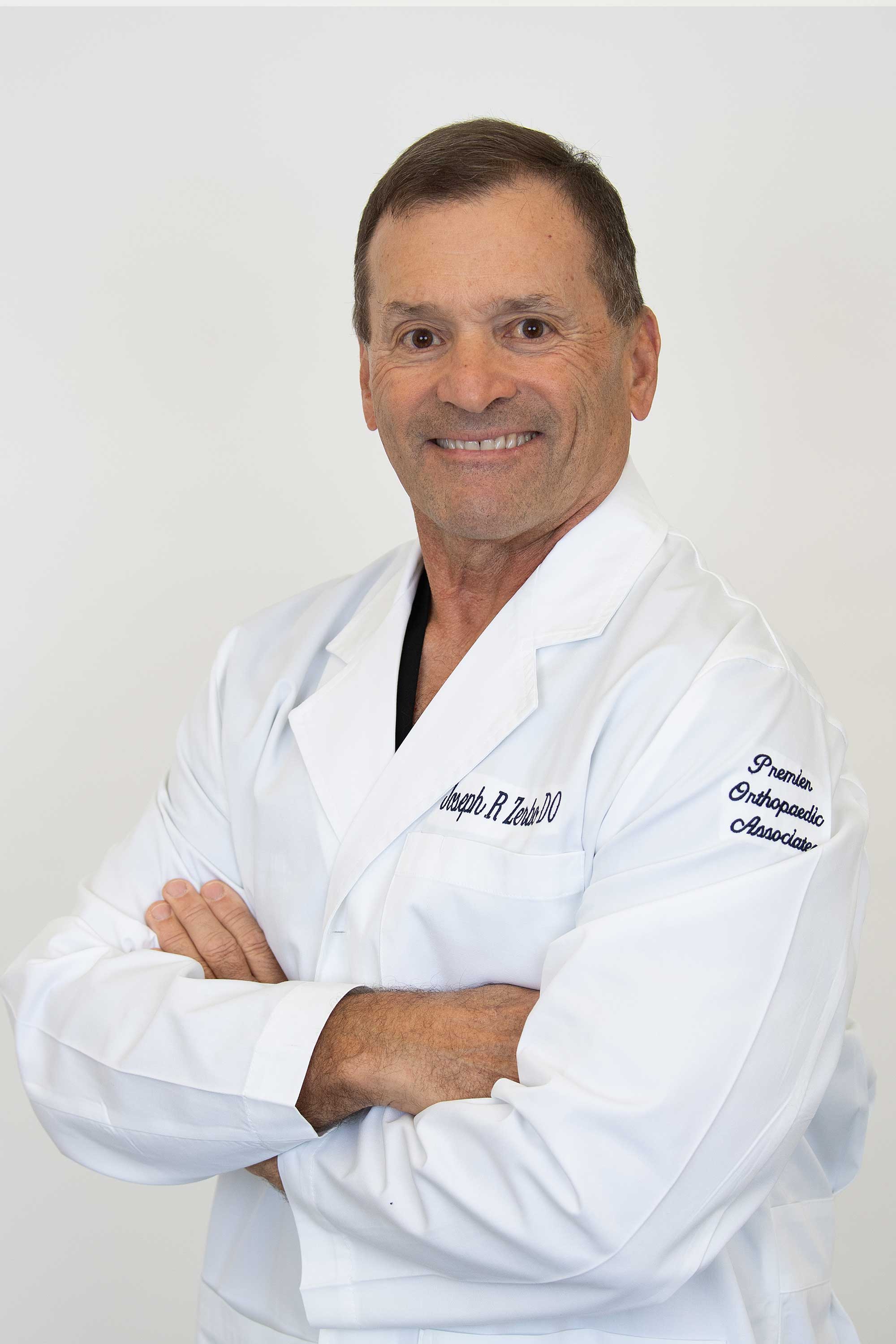
Joseph R. Zerbo male in white lab coat

Dr. Joseph R. Zerbo, DO

Board-Certified Orthopaedic Spine Surgeon  |  NASS Member  |  35+ Years in Southern NJ

Dr. Zerbo's osteopathic training provides a whole-person framework for evaluating cervical symptoms: he assesses how posture, occupation, and upper extremity function contribute to the clinical picture alongside the structural imaging findings. His Atlantic County surgical privileges at AtlantiCare Regional Medical Center and Shore Medical Center give patients flexible options for where their operative care is delivered.

  • AOBOS Board-Certified — American Osteopathic Board of Orthopaedic Surgeons
  • NASS Member — North American Spine Society (since 1999)
  • Chief Resident — Kennedy Memorial Hospital / UMDNJ
  • Surgical Privileges - AtlantiCare Regional Medical Center, Shore Medical Center, Jersey Shore Ambulatory Center
  • Founder — Zerbo Spine, PA

View Full Profile

Cervical Radiculopathy FAQs

Can cervical radiculopathy get better without surgery?

What is the difference between cervical radiculopathy and a pinched nerve?

Do I need to travel outside Atlantic County for cervical spine surgery?

Can cervical radiculopathy get better without surgery?

Yes, and for most patients it does. Studies consistently show that the majority of cervical radiculopathy cases resolve or significantly improve with conservative care over a period of weeks to months. Physical therapy, activity modification, and targeted injections are effective for many patients. Surgery is reserved for cases that do not respond or where neurological compromise requires more prompt intervention.

What is the difference between cervical radiculopathy and a pinched nerve?

They describe the same phenomenon. A pinched nerve in the neck is the lay term for cervical radiculopathy: a nerve root compressed at the level where it exits the cervical spine. The clinical term is more specific because it implies a neurological deficit pattern, whereas a pinched nerve is sometimes used loosely to describe local neck pain without radiation.

Do I need to travel outside Atlantic County for cervical spine surgery?

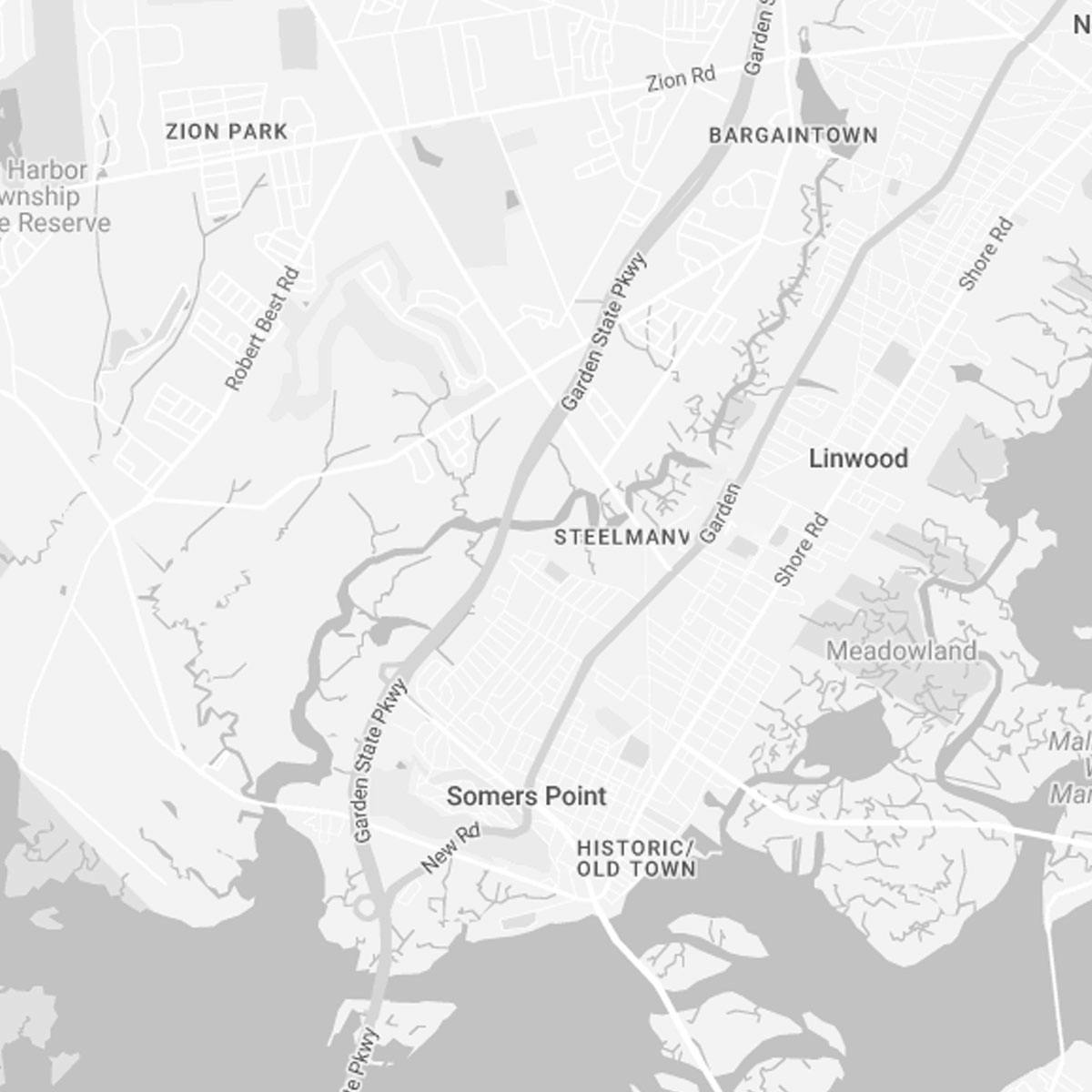
Not for care through POA Linwood. Dr. Zerbo holds surgical privileges at AtlantiCare Regional Medical Center and Shore Medical Center in Somers Point. Patients who prefer to have their surgery within Atlantic County can do so through the existing AtlantiCare network.

Premier Orthopaedic Associates Linwood

Contact

(856) 690-1616

Hours of Operation

MON — FRI: 8:30AM - 5PM

Contact This Location
Contact us media
Accessibility: If you are vision-impaired or have some other impairment covered by the Americans with Disabilities Act or a similar law, and you wish to discuss potential accommodations related to using this website, please contact our Accessibility Manager at (856) 690-1616.
How can I help you?

Hey there, how can I help you?

Schedule a Visit Find a Provider Bill Pay
Contact Us