What Is Cervical Foraminal Stenosis?

The cervical spine contains eight nerve root exit points on each side, called foramina, through which the nerves controlling arm, hand, and shoulder function pass on their way out of the spinal canal. Foraminal stenosis is the narrowing of these openings due to the cumulative effects of disc degeneration, bone spur formation at the uncovertebral joints, and hypertrophy of the facet joints that border the foramen from behind. As the foramen narrows, the nerve root inside it is progressively compressed, producing symptoms in the specific distribution that nerve controls.

Unlike central cervical stenosis, which compresses the spinal cord and can produce symptoms in both arms and the legs, foraminal stenosis typically produces unilateral symptoms in one arm. The pattern of symptoms, including which fingers are numb, which motions are weak, and where exactly the pain radiates, helps identify the specific cervical level involved before imaging is even reviewed.

Symptoms and Diagnosis at POA Linwood

  • Pain or aching from the neck into the shoulder, upper arm, forearm, or fingers
  • Numbness or tingling in specific finger distributions corresponding to C5, C6, C7, or C8 nerve roots
  • Weakness in specific motions: shoulder abduction, elbow flexion or extension, grip strength, or thumb function
  • Symptoms that worsen with neck extension or rotation toward the affected side
  • MRI findings of foraminal narrowing correlating with clinical symptom pattern
  • Electrodiagnostic studies (EMG/NCS) when the level of involvement is unclear or when peripheral nerve contribution needs to be ruled out

Treatment Options

Most patients with cervical foraminal stenosis are managed successfully without surgery. Physical therapy targeting cervical traction, postural correction, and nerve mobilization is the first-line treatment for patients without progressive neurological deficit. Cervical epidural steroid injections at the specific foraminal level can reduce inflammation around the compressed nerve and provide significant symptom relief, particularly when an acute inflammatory component is contributing to the compression. When conservative management has been completed without adequate improvement, posterior cervical foraminotomy provides targeted surgical decompression of the affected nerve root without requiring fusion in most cases.

Background media

Cervical Foraminal Stenosis in Atlantic County's Aging Population

Atlantic County has a growing population of residents in their fifties, sixties, and seventies for whom cervical foraminal stenosis is a primary quality-of-life issue. The gradual loss of grip strength, the persistent ache into one arm, and the difficulty with overhead activities affect independence and daily function in ways that are often under-reported because patients assume the changes are simply part of aging. POA Linwood wants these patients to know that a clear structural diagnosis is available, that most causes of these symptoms can be treated without surgery, and that when surgery is appropriate it is among the more successful procedures in cervical spine care.

Reclaim Your Active Lifestyle

Contact Us
Contact us media

Your Surgical Team at POA Linwood

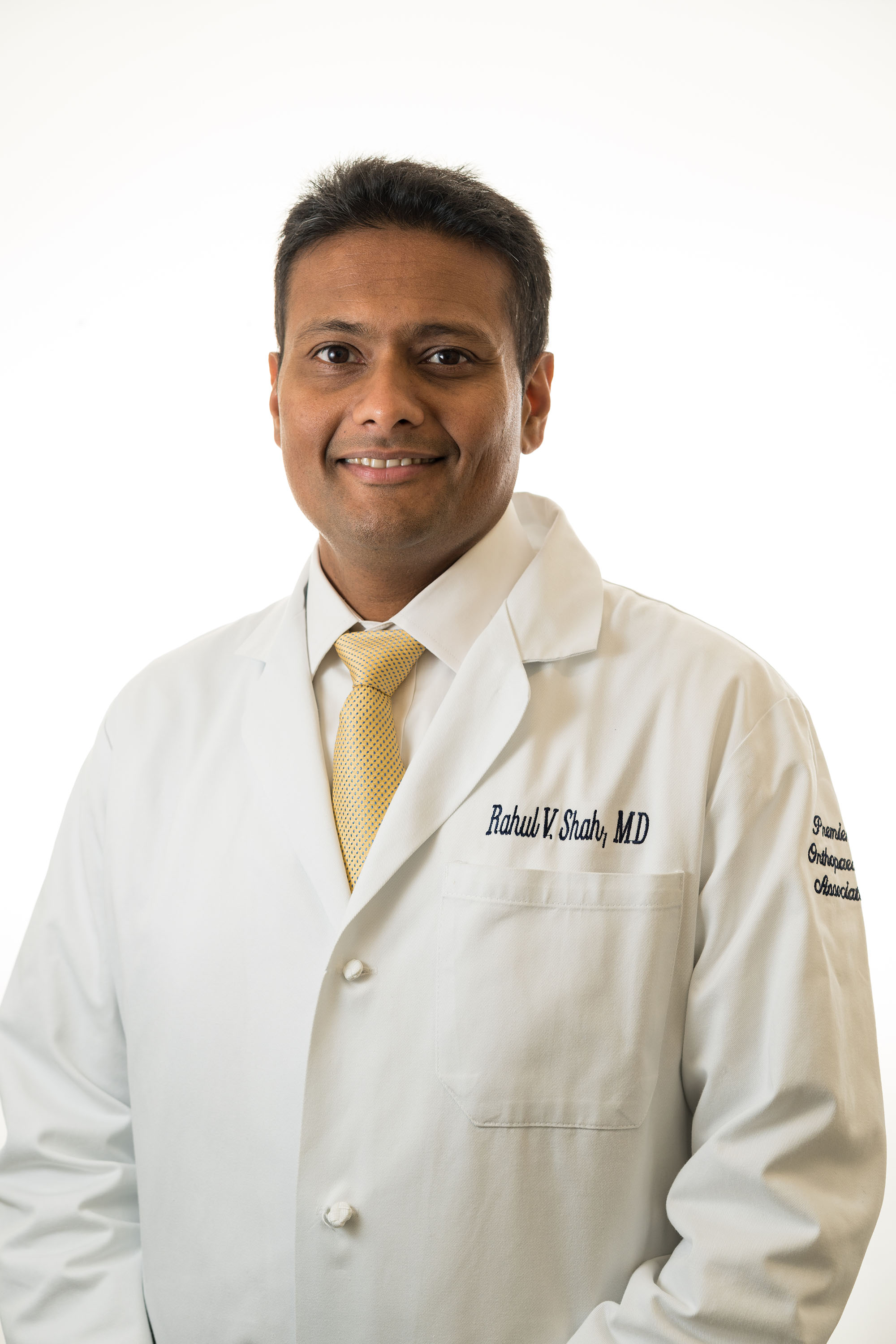
Rahul V. Shah

Dr. Rahul V. Shah, MD, FAAOS

Board-Certified Orthopaedic Spine Surgeon  |  Fellowship-Trained, UCSF  |  Chief Resident, Yale

Dr. Shah's cervical spine fellowship training and his published research on minimally invasive cervical technique make him one of the more experienced cervical spine surgeons in Southern New Jersey. Atlantic County patients with cervical foraminal stenosis who have been misdiagnosed or incompletely evaluated elsewhere often receive their first complete anatomical explanation during a consultation with Dr. Shah at POA Linwood.

  • FAAOS — Fellow, American Academy of Orthopaedic Surgeons
  • Spine Surgery Fellowship — University of California, San Francisco
  • Chief Resident — Yale University Orthopaedic Surgery
  • Faculty — Rowan University Medical School

View Full Profile

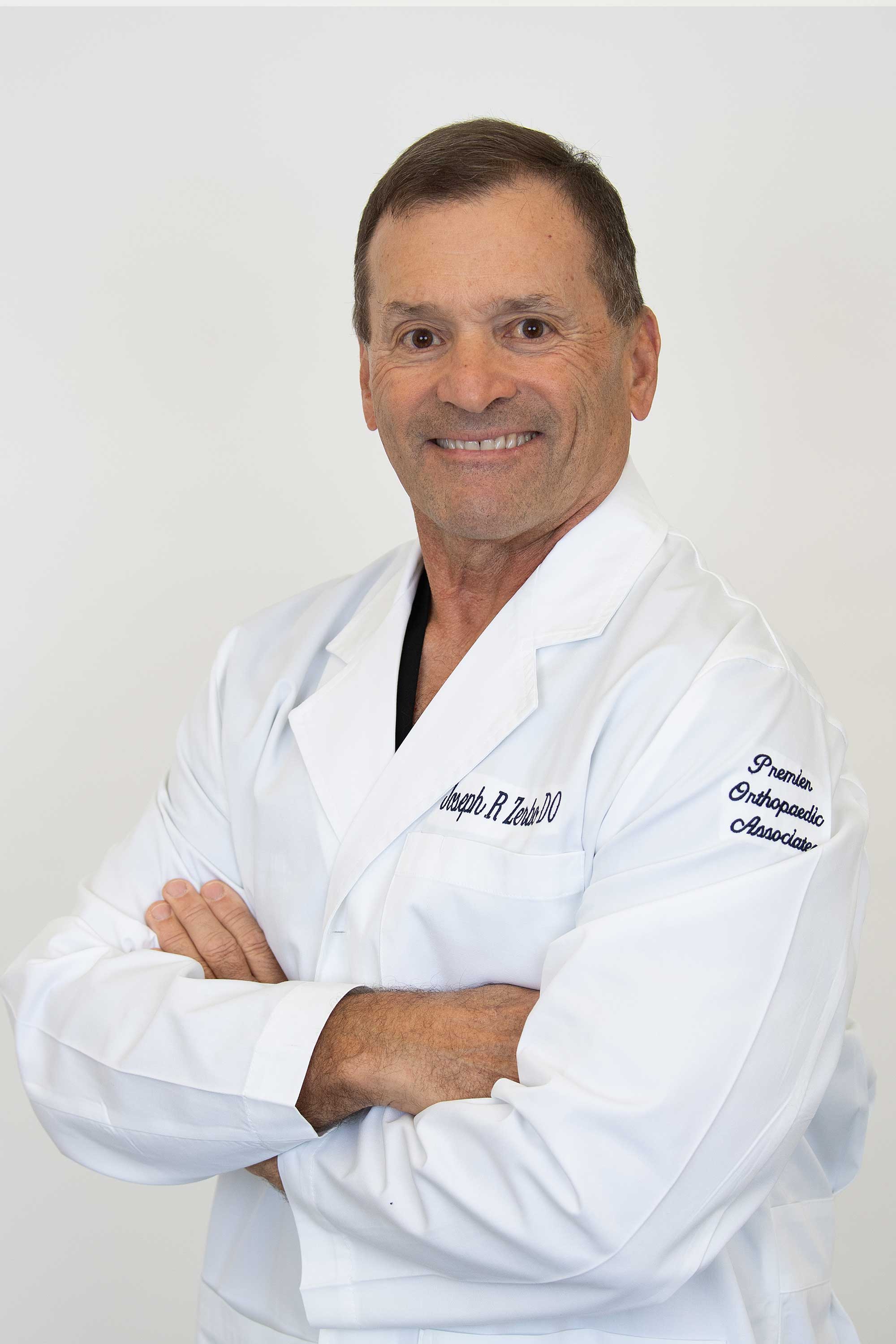
Joseph R. Zerbo male in white lab coat

Dr. Joseph R. Zerbo, DO

Board-Certified Orthopaedic Spine Surgeon  |  NASS Member  |  35+ Years in Southern NJ

Dr. Zerbo evaluates cervical foraminal stenosis with his characteristic whole-person D.O. framework, paying particular attention to how the patient's occupation, posture, and daily physical demands contribute to symptom generation and recovery trajectory. His Atlantic County clinical network allows him to coordinate conservative care locally and to refer for diagnostic studies through the AtlantiCare system without requiring patients to travel for their workup.

  • AOBOS Board-Certified — American Osteopathic Board of Orthopaedic Surgeons
  • NASS Member — North American Spine Society (since 1999)
  • Chief Resident — Kennedy Memorial Hospital / UMDNJ
  • Surgical Privileges - AtlantiCare Regional Medical Center, Shore Medical Center, Jersey Shore Ambulatory Center
  • Founder — Zerbo Spine, PA

View Full Profile

ALIF FAQs

Can cervical foraminal stenosis get worse without treatment?

Is posterior cervical foraminotomy a major surgery?

Do I need an MRI before my first appointment at POA Linwood?

Can cervical foraminal stenosis get worse without treatment?

Cervical foraminal stenosis is a degenerative condition that tends to progress gradually over time. Many patients have long stable periods where symptoms do not worsen significantly. Progressive neurological deficit, such as worsening hand weakness or increasing loss of sensation, is a signal to pursue evaluation more urgently, as prolonged nerve compression can produce changes that do not fully reverse even after surgical decompression.

Is posterior cervical foraminotomy a major surgery?

Posterior cervical foraminotomy is considered a minor to moderate spine procedure compared to cervical fusion. It is frequently performed on an outpatient basis, does not require fusion, and has a faster recovery than ACDF. Most patients experience significant arm symptom relief within days to weeks of the procedure. It is among the procedures with the strongest evidence base for relieving radicular arm symptoms from foraminal nerve compression.

Do I need an MRI before my first appointment at POA Linwood?

An MRI of the cervical spine is the most informative imaging study for evaluating foraminal stenosis, and having one before your consultation allows for a more complete discussion. If you do not have a current MRI, POA Linwood can order one and coordinate it through the AtlantiCare imaging system for Atlantic County patients. X-rays are also helpful for evaluating alignment and disc height.
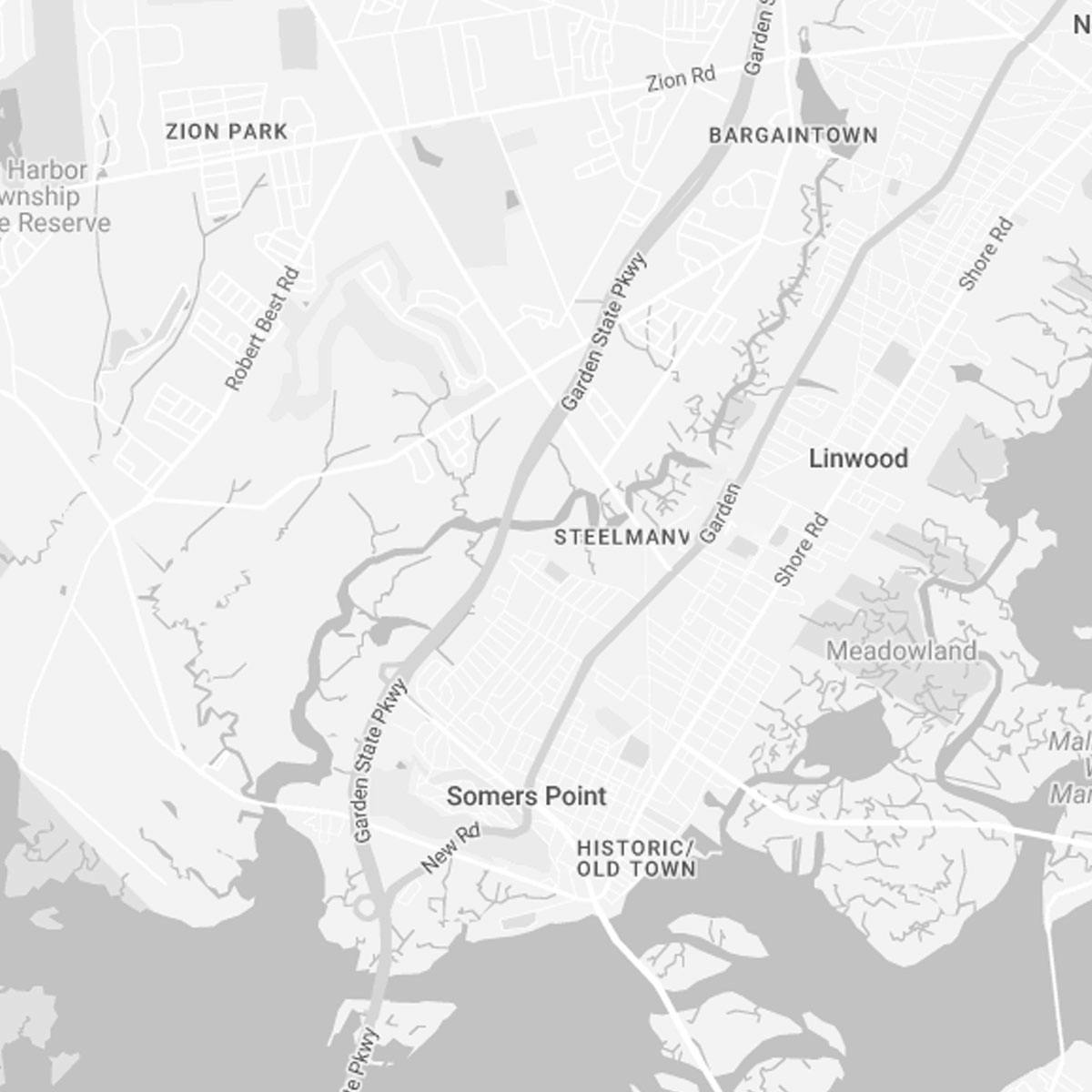
Premier Orthopaedic Associates Linwood

Contact

(856) 690-1616

Hours of Operation

MON — FRI: 8:30AM - 5PM

Contact This Location
Contact us media
Accessibility: If you are vision-impaired or have some other impairment covered by the Americans with Disabilities Act or a similar law, and you wish to discuss potential accommodations related to using this website, please contact our Accessibility Manager at (856) 690-1616.
How can I help you?

Hey there, how can I help you?

Schedule a Visit Find a Provider Bill Pay
Contact Us