What Is Cervical Radiculopathy?

Cervical radiculopathy occurs when a nerve root in the cervical spine — the seven vertebrae of the neck — becomes compressed or irritated at the point where it exits the spinal canal. The result is pain, numbness, tingling, or weakness that travels along the path of that nerve, typically from the neck into the shoulder, arm, forearm, and hand. The pattern of symptoms tells the examining physician a great deal about which level of the cervical spine is involved. The two most common causes are a herniated cervical disc — where disc material protrudes and presses directly on the nerve root — and cervical foraminal stenosis, where the bony channel through which the nerve exits has narrowed due to degenerative changes in the disc and facet joint. In both cases the nerve root is being mechanically compressed, and the symptoms are the nerve's signal that something is wrong. Most patients with cervical radiculopathy improve with non-surgical treatment. The natural history of the condition is favorable for many — particularly those whose onset was sudden and whose symptoms have been present for a short time. However, a subset of patients do not improve with conservative care, and those whose neurological deficits are progressing — particularly weakness — require a more timely surgical evaluation.

How We Diagnose Cervical Radiculopathy

The evaluation at our Cherry Hill office begins with a detailed history and physical examination. The distribution of symptoms — which fingers are numb, where exactly the arm pain travels, what movements or positions worsen or relieve it — guides the initial assessment before imaging is reviewed. This clinical correlation is important: imaging frequently shows degenerative changes in middle-aged and older patients that are not causing any symptoms, and attributing a patient's arm pain to an incidental imaging finding leads to unnecessary treatment. MRI of the cervical spine is the primary imaging study for cervical radiculopathy. It provides detailed visualization of the disc, the nerve roots, and the degree of foraminal narrowing. 

CT myelography may be used in patients who cannot undergo MRI or whose surgical planning requires more precise bony anatomy. Electromyography (EMG) and nerve conduction studies are sometimes ordered to confirm nerve involvement and establish a baseline, particularly in patients with significant weakness. At our Cherry Hill office, the goal of the evaluation is a clear answer: which level is causing the symptoms, what is the mechanism, and what does the clinical picture support in terms of next steps. Camden County patients who have been through multiple providers without a definitive answer come to this consultation for exactly that clarity.

Cervical Radiculopathy Treatment: Conservative and Surgical Options

Conservative Treatment — The Starting Point for Most Patients

The majority of Cherry Hill patients with cervical radiculopathy begin with a structured course of non-surgical treatment. Physical therapy focused on cervical mechanics, posture correction, and nerve mobilization is the cornerstone. A short course of oral anti-inflammatory medication and muscle relaxants can reduce acute inflammation and muscle guarding. For patients with significant pain that is limiting their ability to engage with physical therapy, a cervical epidural steroid injection can reduce nerve root inflammation and create a therapeutic window. Six to twelve weeks is the standard conservative trial duration for cervical radiculopathy without progressive neurological deficits. Most patients who are going to respond to conservative care show meaningful improvement within that window. Those who do not — or whose symptoms worsen — move to a surgical evaluation.

Surgical Treatment — When Conservative Care Has Not Worked

The two principal surgical options for cervical radiculopathy in our Cherry Hill practice are anterior cervical discectomy and fusion (ACDF) and posterior cervical foraminotomy. The choice between them depends on the location and character of the compression, the number of levels involved, and each patient's anatomy and goals.
ACDF is performed through a small incision in the front of the neck. The disc is removed, the nerve root is decompressed, and the adjacent vertebrae are fused using a cage and, in most cases, a plate. It is the most commonly performed cervical spine operation in the United States and has a long, well-documented track record of effectiveness. Posterior cervical foraminotomy is performed through the back of the neck and removes the bone or disc material compressing the nerve root without requiring fusion. It preserves segmental motion and is particularly well-matched to patients with foraminal compression from bone spurring rather than disc herniation. Both procedures are performed at Millennium Surgical Center in Cherry Hill for appropriate outpatient cases.

Background media

Recovery from Cervical Radiculopathy Surgery

Recovery timelines differ between procedures. ACDF patients typically go home the same day or with a one-night hospital stay. A soft cervical collar is often worn for a few weeks. Most patients resume light activity and driving within one to two weeks, and return to desk work within two to four weeks. Physical therapy begins after the initial healing phase and continues for several weeks.

Posterior foraminotomy patients generally have a slightly faster return to activity, as the procedure does not involve fusion hardware. Neck mobility is maintained, and most patients return to normal activity within three to four weeks.

The resolution of arm pain and numbness is typically faster than the resolution of weakness. Most patients notice significant improvement in radiating pain within the first few weeks after surgery. Strength recovery in the arm and hand follows over a longer arc — often three to six months — as the nerve heals. Patients with long-standing severe weakness may have incomplete recovery; early surgical intervention in patients with progressing deficits produces better outcomes than delayed surgery.

Your Surgical Team at POA Cherry Hill

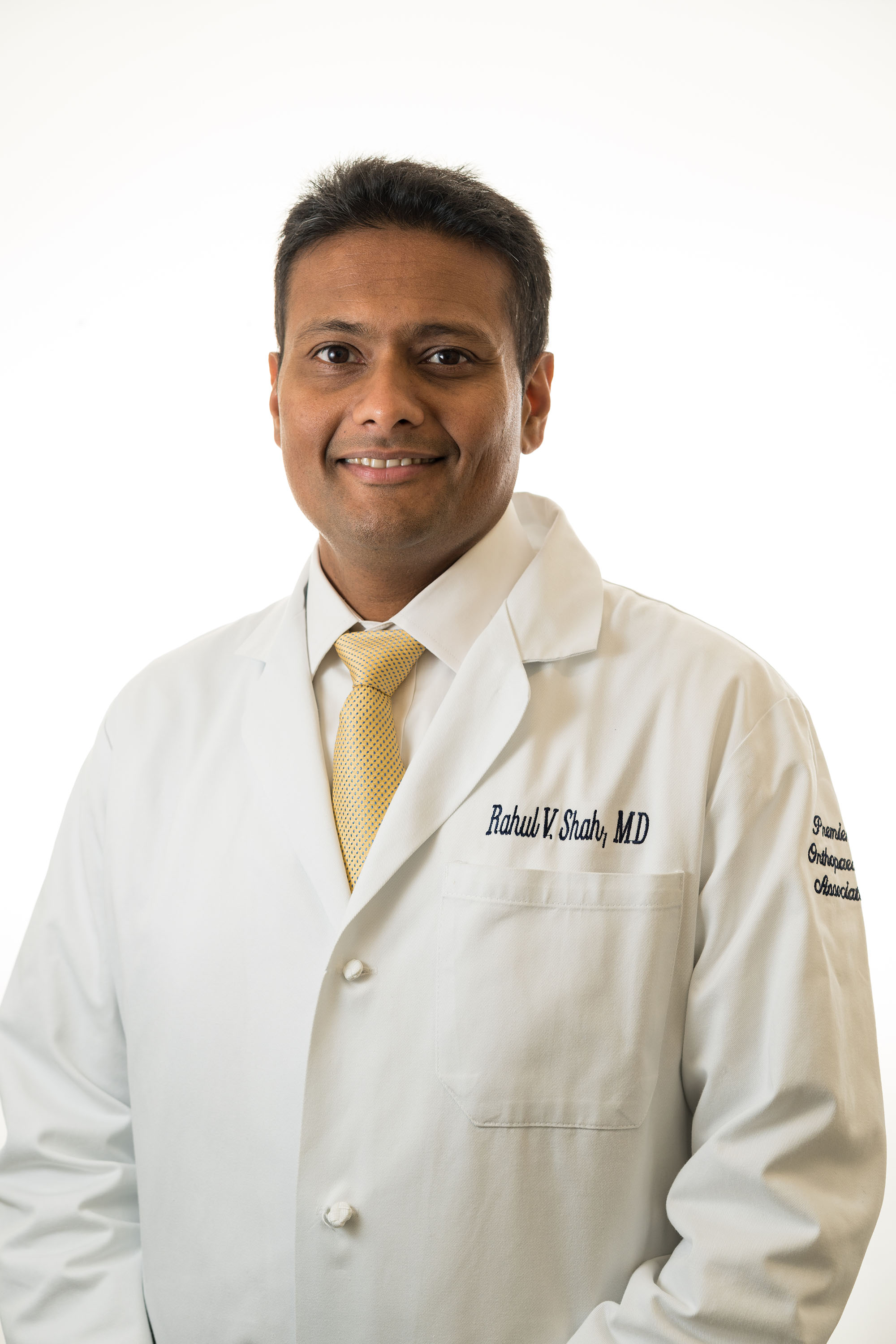
Rahul V. Shah

Dr. Rahul V. Shah, MD, FAAOS

Board-Certified Orthopaedic Spine Surgeon  |  Fellowship-Trained, UCSF  |  Chief Resident, Yale

Dr. Shah's approach to cervical radiculopathy reflects his UCSF fellowship training in complex cervical spine surgery. Before any surgical decision is made, he confirms that the clinical picture — not just the imaging — supports intervention. Cherry Hill patients who have been told they need surgery elsewhere, and who want a direct second opinion, find in Dr. Shah a surgeon who will tell them plainly whether the recommendation is warranted and, if so, which approach best fits their anatomy.

  • FAAOS — Fellow, American Academy of Orthopaedic Surgeons
  • Spine Surgery Fellowship — University of California, San Francisco
  • Chief Resident — Yale University Orthopaedic Surgery
  • Faculty — Rowan University Medical School

View Full Profile

Joseph R. Zerbo male in white lab coat

Dr. Joseph R. Zerbo, DO

Board-Certified Orthopaedic Spine Surgeon  |  NASS Member  |  35+ Years in Southern NJ

Dr. Zerbo has been treating cervical radiculopathy in Camden County for more than 35 years. He has seen every presentation of this condition — the acute disc herniation in a 40-year-old, the gradual foraminal stenosis in a 65-year-old, and everything between — and his clinical judgment about when conservative care has been adequately tried and when surgery is the right step is grounded in decades of outcomes, not protocol alone. Cherry Hill patients who come to him often have already been through one or more treatment cycles; he provides a clear-eyed assessment of where they are and what comes next.

  • AOBOS Board-Certified — American Osteopathic Board of Orthopaedic Surgeons
  • NASS Member — North American Spine Society (since 1999)
  • Chief Resident — Kennedy Memorial Hospital / UMDNJ
  • Founder — Zerbo Spine, PA

View Full Profile

Cervical Radiculopathy FAQs

Does cervical radiculopathy always require surgery?

What is the difference between cervical radiculopathy and a herniated disc?

How do I know if my arm pain is coming from my neck?

Will I need a fusion for cervical radiculopathy surgery?

How long does it take for arm pain to resolve after surgery?

Does cervical radiculopathy always require surgery?

No. The majority of patients with cervical radiculopathy improve with conservative treatment — physical therapy, anti-inflammatory medications, and sometimes a cervical epidural injection. Surgery is recommended when conservative care over six to twelve weeks has not produced adequate relief, when neurological deficits (particularly weakness) are progressing, or when imaging shows a finding that creates urgent risk to the spinal cord or nerve root. At our Cherry Hill office, surgery is never the default — it is the right answer for a specific clinical picture.

What is the difference between cervical radiculopathy and a herniated disc?

A herniated disc is a structural finding — disc material that has protruded from its normal position. Cervical radiculopathy is a clinical syndrome — symptoms produced when a nerve root is compressed. A herniated disc is one of the most common causes of cervical radiculopathy, but foraminal stenosis from bone spurs is another. A patient can have a herniated disc on MRI without having radiculopathy, and a patient can have radiculopathy symptoms without a disc herniation if foraminal narrowing is the mechanism. The distinction matters for treatment planning.

How do I know if my arm pain is coming from my neck?

The pattern of symptoms is the primary indicator. Cervical radiculopathy typically produces pain that travels from the neck into the shoulder, arm, forearm, and hand in a specific distribution that corresponds to the compressed nerve level. Numbness and tingling in the fingers is common. Weakness in specific arm muscles — grip, biceps, triceps — may accompany the pain. A physical examination and MRI together almost always clarify whether the arm is the source of the problem or the neck is. At our Cherry Hill office, we do not assume the diagnosis — we confirm it.

Will I need a fusion for cervical radiculopathy surgery?

Not necessarily. Whether fusion is required depends on the location of the compression, the procedure chosen, and the anatomy involved. ACDF, which approaches from the front, requires fusion to maintain stability after disc removal. Posterior foraminotomy, which approaches from the back, does not — it decompresses the nerve without removing the disc or altering the stability of the segment. Your surgeon will explain which approach is appropriate for your specific condition and why.

How long does it take for arm pain to resolve after surgery?

Most patients notice significant improvement in radiating arm pain within the first two to four weeks after surgery. Numbness and tingling typically improve more gradually — often over one to three months. Weakness recovery follows the longest timeline and can continue for up to six months or more as the nerve heals. The duration of preoperative symptoms has some correlation with recovery speed — patients with more recent onset generally recover faster than those who have had significant compression for a year or more.
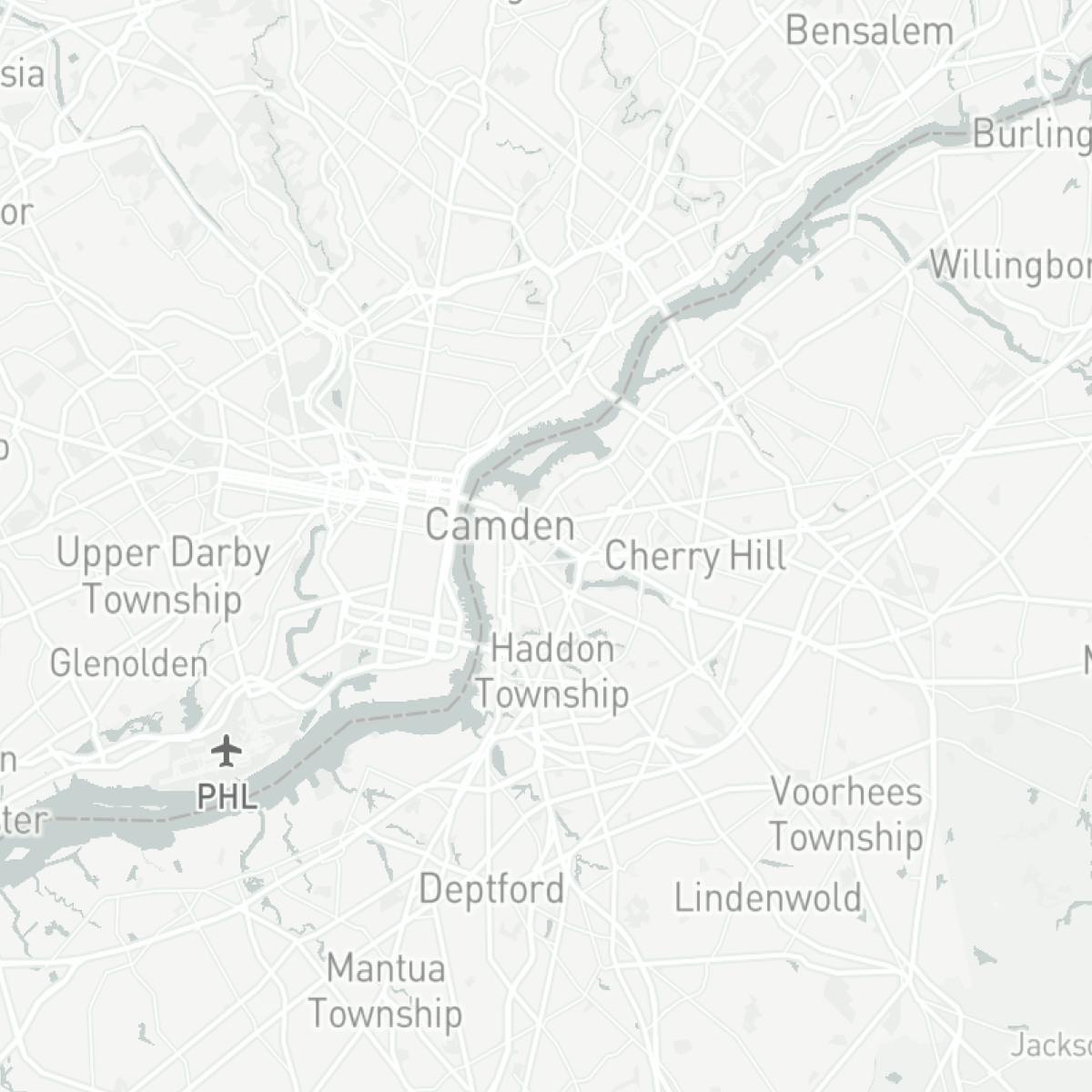
Premier Orthopaedic Associates Cherry Hill

Contact

(856) 690-1616

Hours of Operation

MON — FRI: 8:30AM - 5PM

Contact This Location
Contact us media
Accessibility: If you are vision-impaired or have some other impairment covered by the Americans with Disabilities Act or a similar law, and you wish to discuss potential accommodations related to using this website, please contact our Accessibility Manager at (856) 690-1616.
How can I help you?

Hey there, how can I help you?

Schedule a Visit Find a Provider Bill Pay
Contact Us