What Is Cervical Foraminal Stenosis?

Each cervical nerve root — the eight pairs of nerves that exit the cervical spine and supply sensation and motor function to the neck, shoulders, arms, and hands — passes through a bony opening called the intervertebral foramen. This foramen is formed by the junction of the disc, the vertebral body, and the facet joint. As these structures degenerate over time — disc height decreases, bone spurs develop, facet joints enlarge — the foramen narrows. When it narrows enough to compress the nerve root passing through it, the result is cervical foraminal stenosis. The symptoms of cervical foraminal stenosis are radicular in character: they follow the path of the affected nerve root from the neck into the shoulder, arm, forearm, and hand. The specific distribution of symptoms — which dermatome is numb, which muscle group is weak — corresponds to which cervical level is involved. C6 foraminal stenosis typically causes thumb and index finger numbness and biceps weakness. C7 stenosis typically causes middle finger numbness and triceps weakness. These patterns are not absolute, but they guide the clinical correlation with imaging. The distinction from disc herniation is important: cervical foraminal stenosis typically results from bony spur formation (osteophytes) rather than a soft disc protrusion. This distinction matters because the treatment — both conservative and surgical — differs.

Evaluating and Treating Cervical Foraminal Stenosis at Our Cherry Hill Office

Diagnosis

The evaluation begins with a detailed history of symptom distribution, onset, and character, followed by a neurological examination assessing reflexes, sensation, and motor strength in the arms and hands. MRI provides visualization of the foramen and nerve root. CT myelography, which provides superior bony detail, may be added when surgical planning requires more precise characterization of the spur morphology or when MRI findings and clinical symptoms do not correlate clearly. EMG and nerve conduction studies are sometimes ordered to confirm the level of nerve involvement, establish the severity of the lesion, and provide a baseline for monitoring recovery. In Cherry Hill patients with subtle or evolving symptoms, objective nerve testing helps distinguish significant from incidental imaging findings.

Conservative Treatment

The majority of patients with cervical foraminal stenosis are initially managed non-surgically. Physical therapy targeting cervical posture, range-of-motion, and nerve mobilization is the primary intervention. Cervical epidural steroid injections provide targeted anti-inflammatory relief for patients whose symptoms are acute or exacerbated. Oral anti-inflammatories and activity modification round out the conservative approach. Many Cherry Hill patients with cervical foraminal stenosis improve sufficiently with conservative care to avoid surgical intervention. For those who do not — particularly those with progressive weakness, persistent severe radiculopathy, or symptoms that have not responded to a structured six-to-twelve-week conservative trial — a surgical discussion is appropriate.

Surgical Treatment

Posterior cervical foraminotomy is the procedure of choice for isolated cervical foraminal stenosis caused by bone spurring. It directly removes the offending osteophyte, enlarges the foramen, and decompresses the nerve root without requiring disc removal or fusion. ACDF may be appropriate when disc pathology coexists with the foraminal stenosis, or when multiple levels require a more comprehensive reconstruction.

Background media

Your Surgical Team at POA Cherry Hill

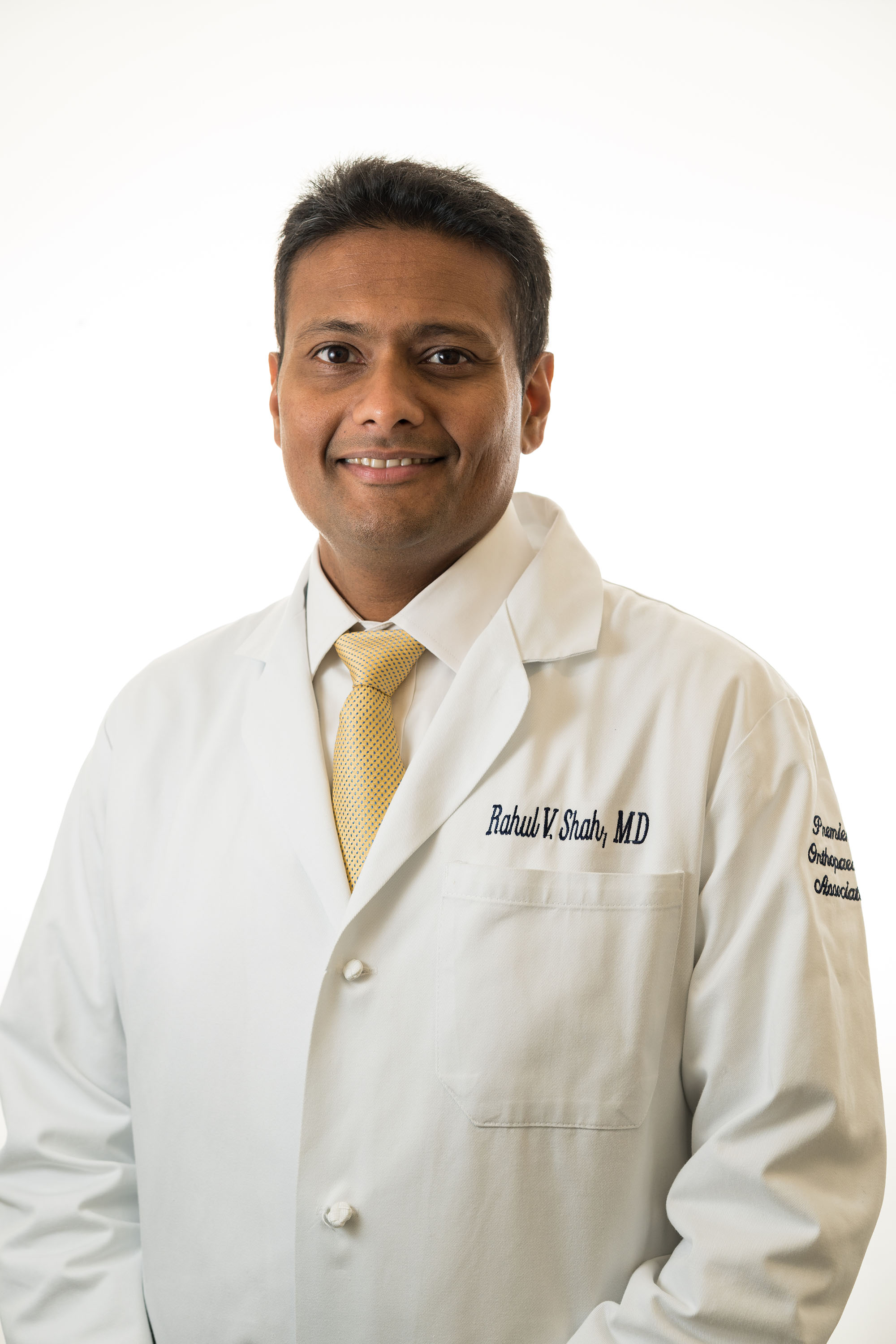
Rahul V. Shah

Dr. Rahul V. Shah, MD, FAAOS

Board-Certified Orthopaedic Spine Surgeon  |  Fellowship-Trained, UCSF  |  Chief Resident, Yale

Dr. Shah's approach to cervical foraminal stenosis at the Cherry Hill office begins with an insistence on clinical correlation: the imaging finding has to match the symptoms. Cervical degeneration is common in middle-aged and older patients, and not every spur on an MRI is causing the arm pain in the exam room. He does not treat imaging findings — he treats patients whose symptoms are explained by those findings. For Cherry Hill patients who have had arm symptoms attributed to other causes and want a definitive evaluation, his systematic assessment provides clarity.

  • FAAOS — Fellow, American Academy of Orthopaedic Surgeons
  • Spine Surgery Fellowship — University of California, San Francisco
  • Chief Resident — Yale University Orthopaedic Surgery
  • Faculty — Rowan University Medical School

View Full Profile

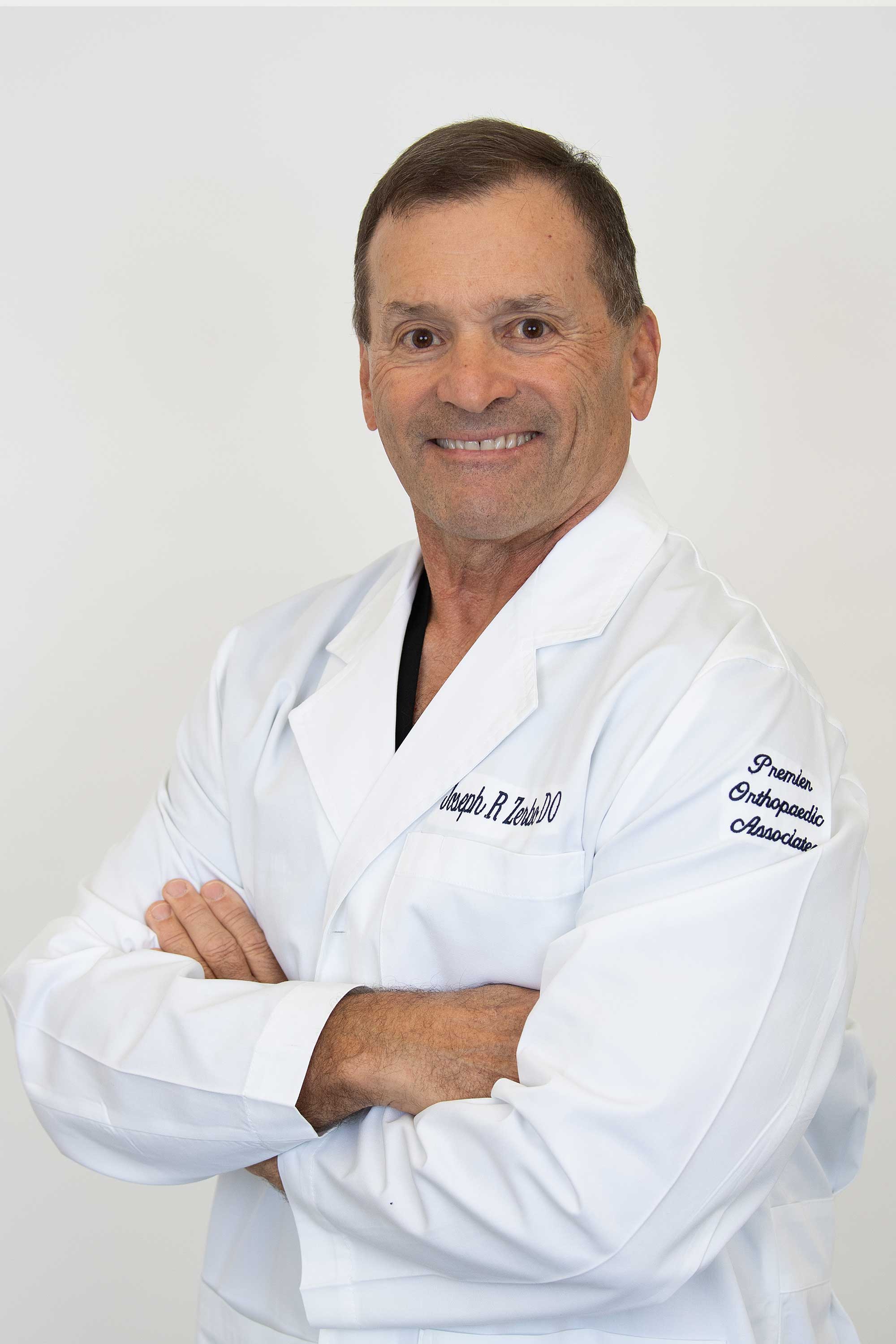
Joseph R. Zerbo male in white lab coat

Dr. Joseph R. Zerbo, DO

Board-Certified Orthopaedic Spine Surgeon  |  NASS Member  |  35+ Years in Southern NJ

Dr. Zerbo's decades of cervical spine practice in Camden County give him a clinical familiarity with the long natural history of foraminal stenosis that is difficult to replicate without sustained experience with the same patient population over time. He has seen patients at every stage of this condition — from early, manageable symptoms to progressive weakness requiring urgent surgical decompression — and his judgment about where any given Cherry Hill patient sits on that spectrum is calibrated by that experience.

  • AOBOS Board-Certified — American Osteopathic Board of Orthopaedic Surgeons
  • NASS Member — North American Spine Society (since 1999)
  • Chief Resident — Kennedy Memorial Hospital / UMDNJ
  • Founder — Zerbo Spine, PA

View Full Profile

Cervical Foraminal Stenosis FAQs

How is cervical foraminal stenosis different from a herniated disc?

Can cervical foraminal stenosis affect both arms at the same time?

Will my hand weakness improve after foraminotomy for foraminal stenosis?

How many levels can be treated with foraminotomy?

How is cervical foraminal stenosis different from a herniated disc?

A herniated disc involves soft disc material protruding through the annulus. Cervical foraminal stenosis typically involves bony spur formation narrowing the foramen. Both can compress the same nerve root and produce similar symptoms, but the material causing the compression is different — and that distinction influences the surgical approach. Bony stenosis is generally better addressed by posterior foraminotomy; significant soft disc herniation may favor an anterior approach. The two conditions also have different natural histories: a soft disc herniation sometimes resolves with conservative care as the herniated material resorbs; bony spurs do not resorb.

Can cervical foraminal stenosis affect both arms at the same time?

Yes. Bilateral foraminal stenosis — affecting nerve roots on both sides of the cervical spine — is possible and is seen in patients with symmetric degenerative disease. However, bilateral upper extremity symptoms from the cervical spine also raise the possibility of central canal stenosis affecting the spinal cord (cervical myelopathy) rather than or in addition to foraminal nerve root compression. This distinction is important because myelopathy carries different urgency and requires a different surgical approach. Bilateral arm symptoms are always evaluated carefully at our Cherry Hill office to ensure the correct diagnosis is driving the treatment plan.

Will my hand weakness improve after foraminotomy for foraminal stenosis?

Strength recovery depends on the duration and severity of the compression before surgery. Weakness that has been present for a short time generally recovers more completely and more quickly than weakness that has been present for a year or more. Pain and numbness typically improve faster than motor strength. Most patients notice meaningful improvement in hand and arm strength within three to six months of foraminotomy, with continued recovery over up to a year in some cases. Patients with severe, long-standing weakness may have incomplete recovery.

How many levels can be treated with foraminotomy?

Foraminotomy can be performed at one or two levels in most cases. Beyond two levels, the risk-benefit calculation changes and other approaches — including multi-level ACDF — may become more appropriate. The decision is based on how many levels are symptomatic and correlating with the clinical examination, not on how many levels show degenerative change on imaging.
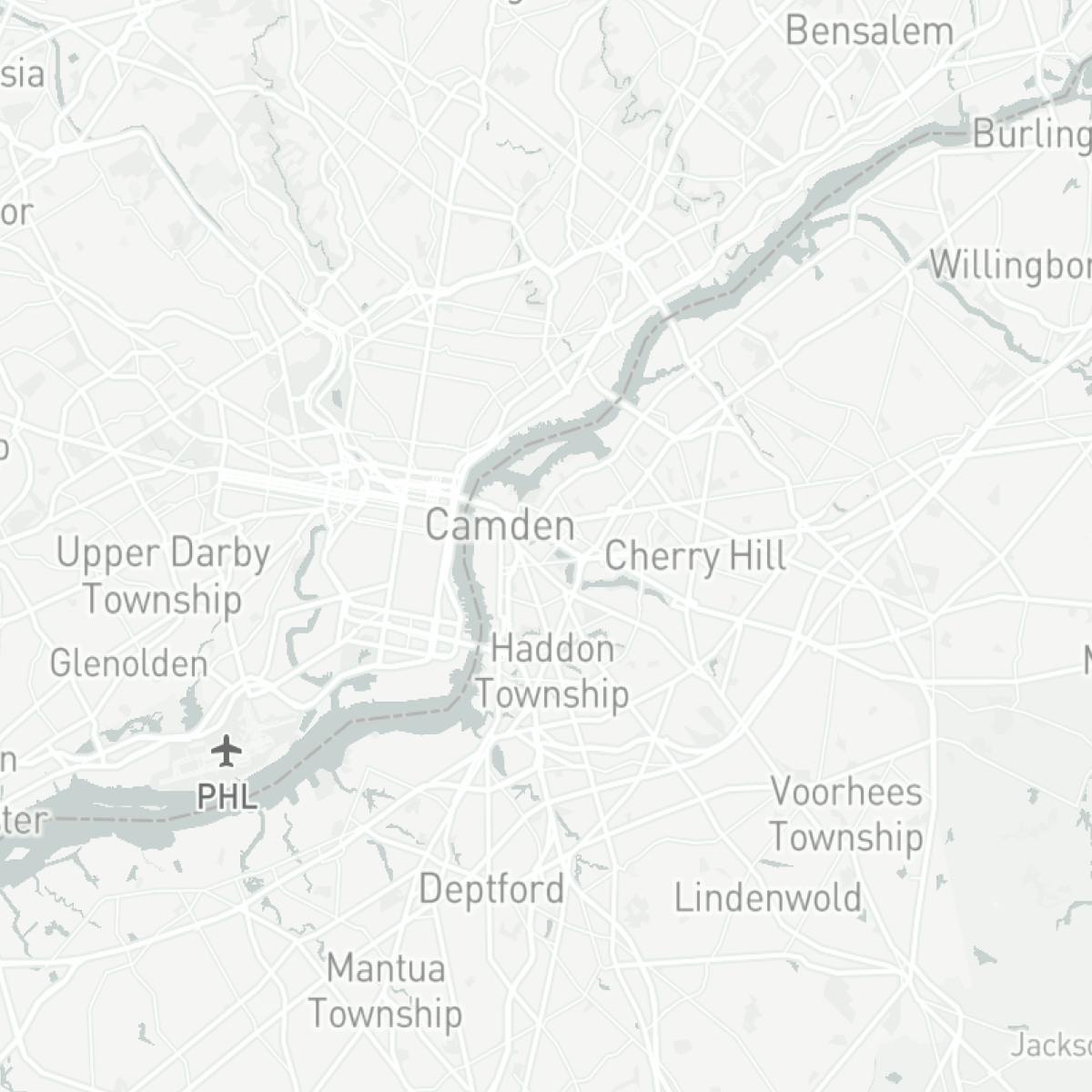
Premier Orthopaedic Associates Cherry Hill

Contact

(856) 690-1616

Hours of Operation

MON — FRI: 8:30AM - 5PM

Contact This Location
Contact us media
Accessibility: If you are vision-impaired or have some other impairment covered by the Americans with Disabilities Act or a similar law, and you wish to discuss potential accommodations related to using this website, please contact our Accessibility Manager at (856) 690-1616.
How can I help you?

Hey there, how can I help you?

Schedule a Visit Find a Provider Bill Pay
Contact Us