

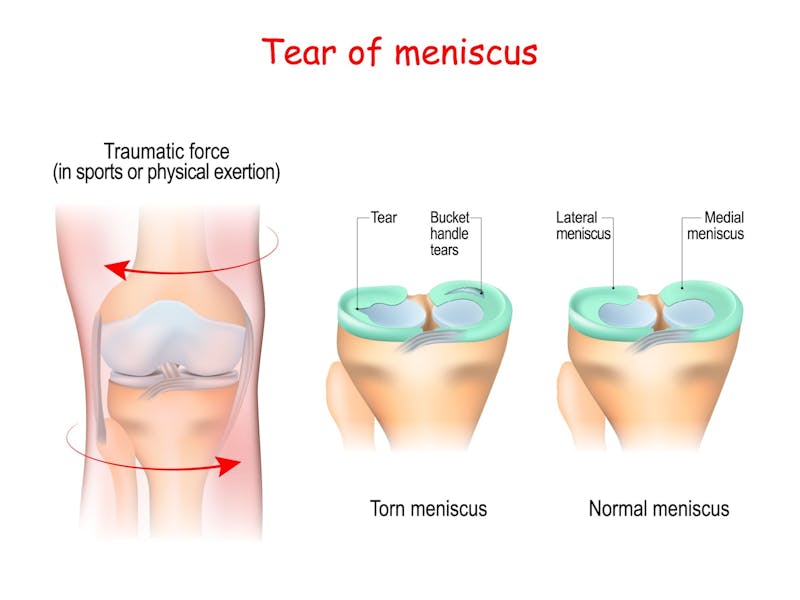
Meniscus tears are among the most common knee injuries, affecting athletes and non-athletes alike. This blog will help you understand what a meniscus tear is, its causes, symptoms, and the available treatment options.
What is a Meniscus Tear?
The meniscus is a C-shaped piece of cartilage in the knee that acts as a cushion between your thighbone (femur) and shinbone (tibia). Each knee has two menisci—one on the inside (medial) and one on the outside (lateral). A tear in the meniscus can occur due to various reasons, often resulting in pain, swelling, and restricted movement.
What causes a Meniscus Tear?
Meniscus tears can happen to anyone, but certain activities and conditions increase the risk:
- Sudden Twisting Movements: Often seen in sports like football, basketball, and soccer
- Direct Impact: A forceful impact to the knee, common in contact sports
- Age-Related Degeneration: Over time, the meniscus can become worn and more susceptible to tears, especially in people over 30
- Obesity: Excess body weight puts additional strain on the knee joint
What are the symptoms of a Meniscus Tear?
Recognizing the symptoms of a meniscus tear is crucial for seeking timely medical attention:
- Pain: Especially when twisting or rotating the knee
- Swelling: This can develop over the course of a few hours after injury
- Stiffness: Difficulty moving the knee or a feeling of locking
- Popping Sensation: A popping sound or sensation at the time of injury
- Instability: The knee may feel like it’s giving way or unable to support weight
How is a Meniscus Tear Diagnosed?
If you suspect a meniscus tear, a thorough examination by an orthopedic specialist is essential. The diagnosis may involve:
- Physical Examination: Assessing knee movement, pain points, and stability
- Imaging Tests: MRI scans provide a detailed view of soft tissues, including the meniscus. X-rays may also be used to rule out other conditions
What are the Treatment Options for a Meniscus Tear?
The treatment for a meniscus tear depends on the severity, location, and type of tear, as well as the patient’s age and activity level. Options include:
1. Conservative Treatment
- Rest, Ice, Compression, Elevation (RICE): Essential first steps to reduce pain and swelling
- Physical Therapy: Strengthening the muscles around the knee can help stabilize the joint and alleviate symptoms
- Medications: Nonsteroidal anti-inflammatory drugs (NSAIDs) can help reduce pain and inflammation
2. Surgical Treatment
- Arthroscopic Surgery: Minimally invasive procedure where small instruments and a camera are inserted through tiny incisions to repair or remove the damaged meniscus tissue
- Meniscus Repair: Suitable for certain types of tears, especially in younger patients
- Meniscectomy: Partial or complete removal of the damaged meniscus when repair is not feasible
3. Regenerative Medicine
- Platelet-Rich Plasma (PRP) Injections: Can potentially promote healing in some cases
What is the Recovery and Rehabilitation like for a Meniscus Tear?
Recovery from a meniscus tear can vary. Conservative treatment may take a few weeks to months, while surgical recovery can take several months. A structured rehabilitation program is critical to regain full knee function. This may include:
- Strengthening Exercises: Focused on the quadriceps, hamstrings, and calf muscles
- Range of Motion Exercises: To restore knee flexibility
- Balance and Stability Training: To prevent future injuries
Suggested tips to Prevent a Meniscus Tear
While not all meniscus tears can be prevented, certain measures can reduce the risk:
- Regular Exercise: Strengthening leg muscles helps support and protect the knee joint
- Proper Technique: Using correct form during sports and physical activities
- Weight Management: Maintaining a healthy weight to reduce knee strain
- Protective Gear: Wearing knee guards during high-impact activities
Meniscus tears, though common, can significantly impact your daily life and activity levels. Early diagnosis and appropriate treatment are key to a successful recovery. At Premier Orthopaedic Associates, we offer expert care to help you make a full recovery. If you suspect a meniscus tear or have any knee-related concerns, don’t hesitate to schedule an appointment with our experienced team.
To schedule an appointment Text/Call 856.690.1616 or use our online scheduling option.
We’re here to help you stay active and healthy!